Dry eyes can make contact lenses feel scratchy or tiring fast, especially late in the day when your eyes are already stressed from screens, dry indoor air, or long wear time. If that sounds familiar, you are not alone and it does not always mean you need to give up daily disposable contacts.
Here is the honest truth. The best daily contacts for dry eyes depends on your tear film, your environment, and how the lens fits your eye. Think of this list as a smart starting point for what to ask your eye doctor about, plus a way to narrow down what to try first.
You will get a quick answer, a feature checklist to look for, the top 10 daily picks to consider, practical comfort tips, what to avoid, and when to call your eye doctor.
Are Daily Contacts Better for Dry Eyes?
For many people, yes. Daily contact lenses can be a great match for dry eye contacts because you start with a fresh lens each day, which often means fewer deposits and fewer irritants sitting on the lens surface.
Mini Decision Guide
- Choose daily disposable contacts if you want fewer deposits, fewer allergens, and no cleaning solution variables that can trigger irritation. They are also a simple option if you want a cleaner routine during busy weeks.
- Consider other options with your eye doctor if dryness is severe, you have ongoing irritation, or you need a specialty design for comfort. For example, some people with significant dryness do better with specialty lenses like scleral lenses, which are fitted by an eye doctor.
Note: Comfort can change with screen time, air conditioning or heating, and wear hours. A lens that feels fine in the morning can still feel dry late in the day if your routine is drying your eyes out.
If you are still deciding between replacement schedules, this daily vs monthly contacts guide breaks down what changes in comfort, care, and buildup.
Why Contacts Can Feel Worse With Dry Eyes
If you already deal with dryness, daily contact lenses can feel fine at first, then start feeling “present” or scratchy as the day goes on. That does not always mean the lens is bad. It usually means your tear layer is getting stressed, and the lens is the first thing you notice.
What’s Happening On The Eye Surface
Your eye stays comfortable when your tear film stays smooth and stable. When you wear contact lenses, the lens sits on that tear layer and can change how tears spread across the surface. Some lenses can pull moisture off the surface, and as tears evaporate, the lens can create more friction, which is when contact lens dryness feels like burning, grit, or that tired late day feeling.
The Common Triggers That Amplify Dryness
Dryness often spikes because of what is happening around you, not just the lens itself. Common triggers include:
- Screen time eyes because you blink less and your tear layer breaks up faster
- Dry indoor air from air conditioning or heating, plus wind outdoors
- Long wear days, especially when you push past your comfort window
- Deposit buildup on the lens surface, which can make dry eyes contacts feel filmy or itchy
- Sensitivity to contact lens solution if you wear reusable lenses, since some formulas or preservatives can irritate certain eyes
When your eyes feel worse every day no matter what, that is a good sign to bring it up at your eye exam or contact lens exam. A small fit change or switching materials can make a big difference.
If dryness hits you the moment you’re indoors, here’s why it happens and what helps in why your eyes feel dry when the AC or heater is on.
What to Look for in Daily Contacts for Dry Eyes
Not all daily disposable contacts feel the same, even if they are all “for dry eyes.” Use the quick table below to compare features that tend to matter most for contact lens comfort:
| Feature | Why It Helps | Best For | Notes |
|---|---|---|---|
| Water gradient or high hydration surface designs | Can feel smoother by keeping the surface more comfortable as tears evaporate | People who feel dryness late day | “High water” is not always better for everyone, comfort depends on the full design and your tear film |
| Moisture retaining surface tech | Helps the lens surface stay slick so blinking feels easier | People who feel friction or “gritty” moments | Some designs use surface treatments or wetting agents to support a hydrated feel |
| Silicone hydrogel breathability | Supports oxygen flow, which can help lenses feel better over long wear days | Long days, dry indoor air, heavy routines | More breathable does not automatically mean more comfortable, fit still matters |
| Low deposit tendency | Helps reduce buildup that can trap irritants and worsen allergy and dryness symptoms | Contacts for sensitive eyes, allergy prone eyes | Great if you get filmy lenses, itchiness, or frequent irritation |
| Easy handling for new wearers | Thin lenses and visibility tint can make insertion and removal easier | First time wearers or anyone who struggles with handling | Handling comfort matters because poking or rubbing can trigger irritation fast |
| UV blocking (note) | Adds sun protection support for parts of the eye | Outdoor routines | UV blocking contacts are helpful, but they are not a sunglasses replacement because they do not cover the whole eye area |
If you have sensitive eyes and “high water” lenses confuse you, this explains whether high water content lenses are bad for sensitive eyes (and when they can backfire).
The 10 Best Daily Contact Lenses for Dry Eyes
If your eyes feel scratchy or tired by late afternoon, switching to daily disposable contacts can be one of the simplest ways to cut down on buildup that makes contacts for dry eyes feel worse.
The “best” pick still depends on your tear film, fit, and routine, but these are common best contacts for dry eyes starting points that many eye doctors use for comfort focused trials.
1. DAILIES TOTAL1
DAILIES TOTAL1 is a comfort first daily that many wearers like for long, dry days because the surface is designed to feel smooth as the hours pass. It is often considered when late day dryness shows up fast in air conditioning or heating.
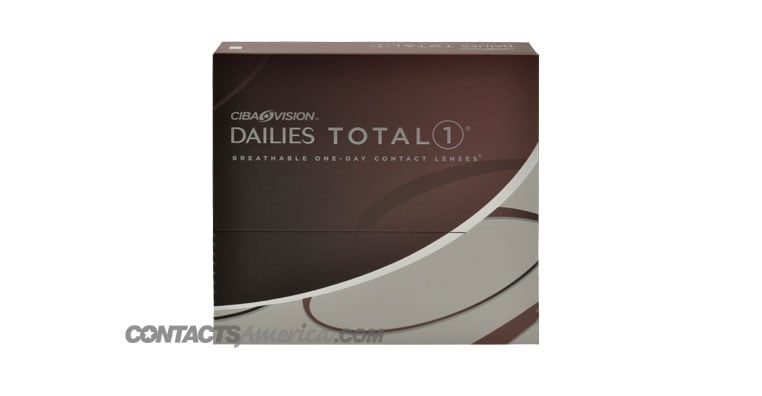
Choose DAILIES TOTAL1 when you want a premium daily lens that feels less “dry” by the end of the day.
2. ACUVUE OASYS 1 Day with HydraLuxe
ACUVUE OASYS 1 Day with HydraLuxe is a daily silicone hydrogel option designed for consistent comfort during everyday routines, especially when blinking drops during screen time. Many people trial it when they want a simple routine that still feels steady through long indoor days.
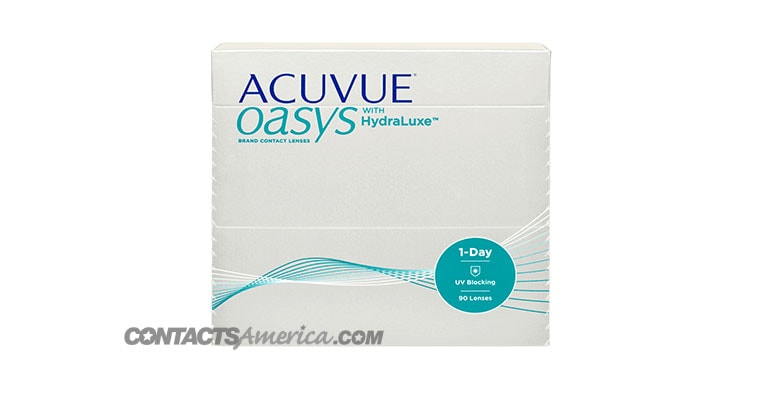
Try ACUVUE OASYS 1 Day with HydraLuxe when screens and dry indoor air make your lenses feel “present” too quickly.
3. PRECISION1
PRECISION1 is a straightforward daily lens built for easy handling and a smooth, comfortable feel through normal wear. It works well for busy schedules because the routine stays simple without sacrificing comfort.
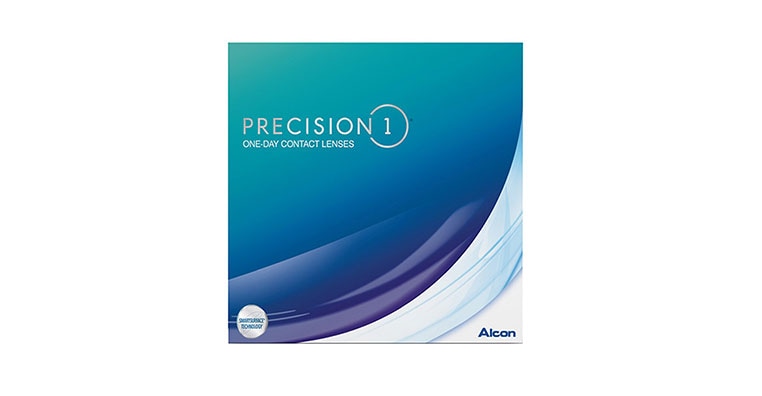
Go with PRECISION1 when you want an easy daily option that feels predictable and low maintenance.
4. Biotrue ONEday
Biotrue ONEday is a hydration focused daily option that many wearers consider when indoor air leaves their eyes feeling dry. It is often described as gentle and consistent, which can be helpful if your eyes get irritated easily.
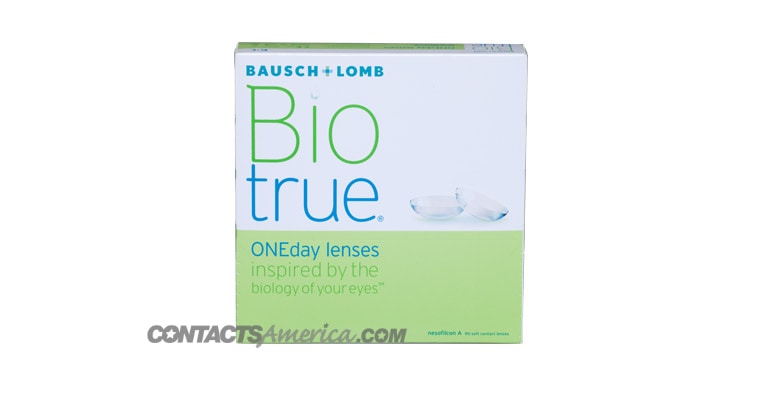
Pick Biotrue ONEday when you want a daily lens that feels naturally comfortable through everyday wear.
5. Clariti 1 Day
Clariti 1 Day is a silicone hydrogel daily designed with breathability in mind, which can support comfort during longer wear days. It is a strong option to trial when you prefer breathable materials in a daily schedule.
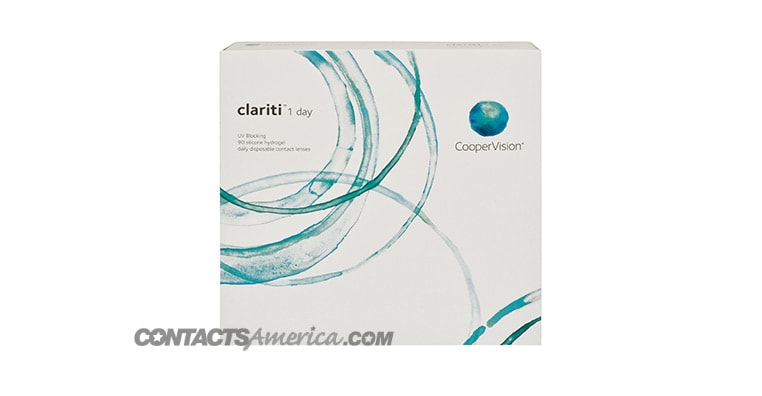
Consider Clariti 1 Day when you want silicone hydrogel comfort in a daily disposable routine.
6. CooperVision MyDay Daily Disposable
CooperVision MyDay Daily Disposable is often trialed by people who wear contacts most of the day and want a breathable feel that stays steady. Silicone hydrogel daily designs like this can feel less heavy later in the day for many wearers.
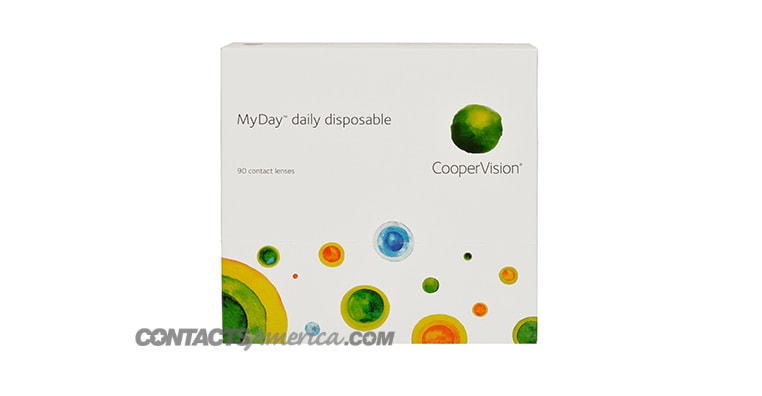
Choose CooperVision MyDay Daily Disposable when you need a daily lens that keeps up with long wear hours.
7. 1 Day ACUVUE Moist
1 Day ACUVUE Moist is known for a softer daily lens feel that many people notice right away. Hydrogel lenses like this can feel very comfortable at insertion and through moderate wear days.

Reach for 1 Day ACUVUE Moist when you prefer a soft, moisture forward daily feel and your comfort stays steady through your usual wear time.
8. DAILIES AquaComfort Plus
DAILIES AquaComfort Plus is a common everyday comfort option that often shows up in daily lens comparisons for dryness. Many wearers like it as a practical daily for routine wear, especially when paired with good blink habits.
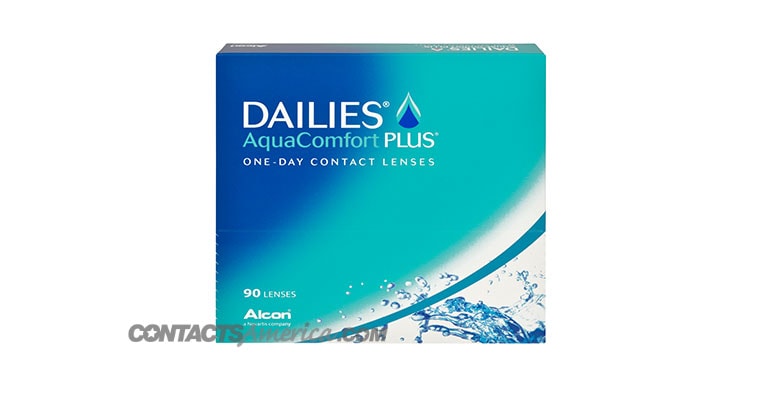
Try DAILIES AquaComfort Plus when you want an easy daily comfort lens that fits a typical work and errand routine.
9. Proclear 1 Day
Proclear 1 Day is often discussed as a comfort option for wearers who feel dryness in other daily lenses. It can be a good trial lens when you want to compare a different comfort profile, as long as it matches your prescription range.
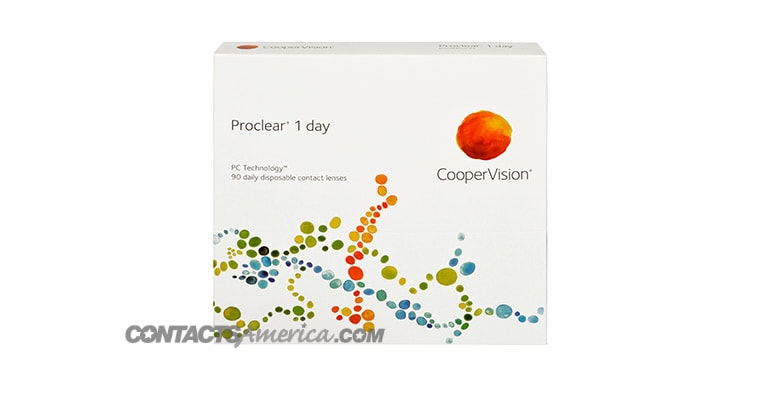
Ask about Proclear 1 Day when dryness keeps returning and you want another daily option to test with your eye doctor.
10. Bausch + Lomb INFUSE
Bausch + Lomb INFUSE is a modern daily option included in many comfort roundups because it is designed for a smooth wearing experience throughout the day. It is especially useful as a “compare” lens when you are narrowing down your final choices.
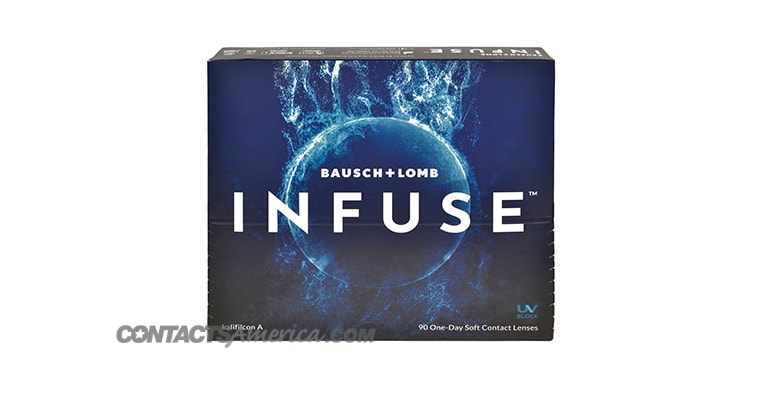
Choose Bausch + Lomb INFUSE when you want one more daily lens to trial side by side before you commit
Quick Comparison Table
| Product | Best For | Why It Helps |
|---|---|---|
| DAILIES TOTAL1 | Late day dryness and long indoor days | Water gradient style comfort feel that supports a smoother surface |
| ACUVUE OASYS 1 Day with HydraLuxe | Screen heavy routines and dry indoor air | Comfort focused design aimed at supporting a more natural blink feel |
| PRECISION1 | Simple routine, easy wear | Moisture focused surface design for consistent comfort |
| Biotrue ONEday | Hydration focused comfort | Designed for a moisture retaining feel through daily wear |
| Clariti 1 Day | Breathability first | Silicone hydrogel daily option often chosen for long wear comfort |
| CooperVision MyDay | All day wear | Breathable daily lens feel for longer wear hours |
| 1 Day ACUVUE Moist | Soft initial feel | Moisture oriented daily feel, often comfortable for moderate wear days |
| DAILIES AquaComfort Plus | Everyday comfort | Comfort focused wetting design commonly compared in daily lens lineups |
| Proclear 1 Day | Dryness focused trials | Frequently discussed as a comfort option for dry eye prone wearers |
| Bausch + Lomb INFUSE | Another comfort compare | Modern daily option often included in daily comfort roundups |
Tips to Keep Daily Contacts Comfortable With Dry Eyes
1. Use preservative free rewetting drops when approved for contacts
Look for eye drops for contacts that say they are safe to use with lenses, and follow the label. Preservative free options can be a good fit if your eyes are sensitive or you use drops often. If drops sting every time or you need them constantly, that is a sign to talk to your eye doctor about your dry eye contacts fit or material.
2. Follow the 20 20 20 rule during screen time
If you are on screens for work or streaming, do this simple reset to reduce digital eye strain with daily contact lenses. Every 20 minutes, look at something about 20 feet away for 20 seconds. It helps because screen focus lowers blinking and that can make contact lens dryness show up faster.
3. Blink fully, not just quickly
A lot of people do half blinks on screens, which means the tear layer does not spread evenly over the lens. Try a quick blink reset every so often, two slow full blinks, then back to normal. This small habit can make daily disposable contacts feel more comfortable without changing anything else.
4. Avoid direct airflow
Car vents, fans, heaters, and even a desk fan can dry your eyes out fast and increase that gritty feeling with contacts for dry eyes. Point vents away from your face and consider wearing glasses during long drives with strong airflow. If you are outdoors on windy days, sunglasses over contacts can help reduce evaporation.
5. Keep hydration and sleep basics realistic
Being a little dehydrated or short on sleep can make your eyes feel more irritated and make contact lens comfort drop earlier in the day. Aim for steady water intake and decent sleep, especially if you wear lenses from morning to night. It is not a cure, but it can make your baseline comfort more stable.
Cold weather can make dryness worse too, so these winter dry-eye contact picks and comfort tips are useful if your eyes get cranky in seasonal air.
What Not to Do With Dry Eyes and Daily Contacts
Safety Note: If you have sharp pain, worsening redness, discharge, strong light sensitivity, or vision changes that do not clear, take lenses out and get advice from an eye doctor.
- Do not sleep in daily disposable contacts. Dailies are designed for single day wear. Sleeping in them raises the risk of irritation and infection, especially if you already have dry eye contact symptoms.
- Do not rinse lenses with tap water. Water can carry germs and it can also warp or contaminate the lens surface. Only use sterile products meant for contacts, like your prescribed contact lens solution or approved rewetting drops.
- Do not push wear time when your eyes are burning or vision is unstable. Burning, gritty discomfort, or blur that keeps coming back is your cue to remove the lenses and switch to glasses. Trying to tough it out often makes the rest of the day worse.
- Do not reuse or top off old solution if you ever wear reusables. The old solution does not disinfect well, and topping off makes it worse. If you switch between daily contacts and reusables, keep the habit consistent: empty, rinse the case with fresh solution, air dry, and always use fresh solution for soaking.
If you’ve ever nodded off in lenses, read what happens if you sleep with contacts so you know the real risks before it becomes a pattern.
When to Talk to Your Eye Doctor
Most dryness is fixable, but some signs are not worth waiting out. Reach out sooner if you notice any of the following.
- Persistent pain, strong redness, new light sensitivity, discharge, or vision changes. These can point to irritation or infection, not “normal” contact lens dryness. Take lenses out, switch to glasses, and get medical advice before you try wearing contacts again.
- Dryness that keeps returning even after switching to daily disposable contacts. If you moved to daily contact lenses for dry eyes and you still feel scratchy or dry most days, it may be your fit, tear film, environment, or even an allergy pattern. Your doctor can check the surface of your eye and confirm whether your current lens material is the best match.
- You keep having “bad lens days” and want a better long term plan. Ask about a refit, different contact lens types, or different materials like silicone hydrogel daily contacts. If dryness is severe, specialty options such as scleral lenses can sometimes be considered by your eye doctor, along with a full dry eye evaluation and treatment plan
If symptoms feel more intense than “normal dryness,” this list of warning signs in contact lens use can help you decide when to stop wear and get checked.
Choosing Daily Contact Lenses for Dry Eyes
Finding the right daily contact lenses for dry eyes usually comes down to reducing the things that make your eyes feel worse. Daily disposable contacts help because they cut out a lot of buildup and cleaning variables, but comfort still depends on the right material, a good fit, and the habits you follow every day. Bring this list to your next eye exam or contact lens exam, ask about trial lenses, and pay attention to how your eyes feel late day, not just the first hour.
Want to compare comfort focused daily options for dry eyes before you choose? Browse contacts for dry eyes to compare comfort focused options and choose what works best for your eyes.
Disclaimer: This content is for general informational purposes only and is not a substitute for professional advice, diagnosis, or treatment.
FAQs: Daily Contact Lenses for Dry Eyes
1. Are daily contacts better for dry eyes?
For many people, yes, because daily disposable contacts start fresh each day and reduce buildup that can worsen irritation. They also remove cleaning solution variables, which can help if you are sensitive. The best results still depend on fit and your tear film quality.
2. Which daily contacts are best for dry eye syndrome?
The best daily contact lenses for dry eyes depend on what is driving your dryness, such as evaporation, deposits, or screen time. Many people do well with lenses designed to keep the surface hydrated or reduce end of day discomfort. Your eye doctor can recommend options based on your exam and how your eyes respond in real life.
3. Are silicone hydrogel daily contacts good for dry eyes?
They can be, especially for people who wear lenses for long hours and want a breathable feel. Silicone hydrogel contacts allow more oxygen through the lens material, which can support comfort for some wearers. If silicone hydrogel feels dry to you, a different surface technology or fit change may help more than switching brands randomly.
4. What is the best way to stop contacts from drying out during screen time?
Screen use lowers blinking, which makes contacts feel dry while watching TV or working on a laptop. Use the 20 20 20 rule, do a few full blinks every so often, and keep approved rewetting drops nearby. If you need drops constantly, that is a good time to discuss a refit or a different lens design.
5. Can I use rewetting drops with contacts, and which kind?
Yes, as long as the label says the drops are safe for contact lenses. Many people with sensitive eyes prefer preservative free options, especially if they use drops often. Avoid redness reliever drops unless your eye doctor specifically recommends them, since some can worsen dryness over time.
6. Why do my contacts feel fine in the morning but dry at night?
End of day dryness is common because tear quality changes with fatigue, screen time, and dry indoor air. Deposits and longer wear hours can also make the lens surface feel present later in the day. Shortening wear time, improving airflow habits, or switching to a more comfortable daily contacts option can help.
7. Should I switch lens brands if I feel dryness every day?
Do not guess swap on your own. If dryness is daily, it is usually better to get a fit check and ask whether the issue is lens material, lens movement, dryness type, or your environment. Your doctor can set up a safe trial of another best daily contacts option that matches your prescription and eye shape.
8. Do UV contacts replace sunglasses?
No. UV blocking contact lenses can help protect parts of the eye, but they do not cover the whole eye area or the skin around it. For outdoor time, wear sunglasses over contacts for better overall coverage and comfort.
References
Preventing Eye Infections When Wearing Contacts | Healthy Contact Lens Wear and Care. Centers for Disease Control and Prevention. https://www.cdc.gov/contact-lenses/prevention/index.html. Date Accessed: March 2026.
Dry Eye. National Eye Institute (National Institutes of Health). https://www.nei.nih.gov/eye-health-information/eye-conditions-and-diseases/dry-eye. Date Accessed: March 2026.
Dry Eye Syndrome Preferred Practice Pattern®. American Academy of Ophthalmology Preferred Practice Pattern Cornea/External Disease Panel. https://pubmed.ncbi.nlm.nih.gov/38349301/. Date Accessed: March 2026.
BCLA CLEAR – Evidence-based contact lens practice. James S. Wolffsohn et al. (British Contact Lens Association). https://aecso.org/wp-content/uploads/2022/10/BCLA-CLEAR-Evidence-based-contact-lens-practice.pdf. Date Accessed: March 2026.
Digital display use and contact lens wear: Effects on dry eye signs and symptoms. Cristian Talens-Estarelles et al. https://pubmed.ncbi.nlm.nih.gov/35394083/. Date Accessed: March 2026.
Contact lenses in dry eye disease and associated ocular surface disorders. Simmy Chaudhary et al. (Indian Journal of Ophthalmology). https://pubmed.ncbi.nlm.nih.gov/37026246/. Date Accessed: March 2026.
Evaluating the Performance of Verofilcon A Daily Disposable Contact Lenses in a Group of Heavy Digital Device Users. Marc-Matthias Schulze et al. https://pubmed.ncbi.nlm.nih.gov/37901285/. Date Accessed: March 2026..Investigation of Delefilcon A Contact Lenses for Symptomatic Daily Disposable Contact Lens Wearers with Dry Eye Disease: A Prospective Comparative Study. Sarah E. Guthrie et al. https://pubmed.ncbi.nlm.nih.gov/39463852/. Date Accessed: March 2026.