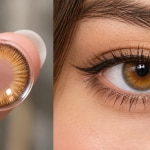
A Daily Contact Lens and a Monthly Contact Lens can both correct your vision well. The bigger difference shows up in how you live with them day to day. One option keeps nights simple, but asks you to keep stock at home. The other option can feel steady and familiar, but asks you to clean and store lenses every night. Early 2026 is a good time to check if your current routine still matches your schedule.
A lot of contact lens “problems” are really routine problems. Late nights, rushed mornings, travel, and long screen days can all affect comfort. The best choice is often the one you can follow without cutting corners. If your habits are consistent, monthlies can work well. If your week is unpredictable, dailies usually feel easier.
What Daily and Monthly Contacts Ask From You
Daily and monthly contacts ask for different kinds of follow-through. A daily lens asks you to manage supply and reorder before you run out. You use a fresh lens each day you wear contacts, then you throw it away after removal. That means fewer steps at night and less to remember when you are tired. It also means you need enough lenses ready for the month.
A monthly lens asks for nightly care and a clear replacement timeline. You reuse the same lenses for up to 30 days, so cleaning and storage become part of the routine. The calendar matters here, since replacement is counted from the day you open a new pair. Monthly wear works best when cleaning feels automatic. If cleaning often gets skipped, comfort usually drops fast.
Daily Contacts When Life Is Busy
Daily disposable contact lenses are a popular “busy week” choice. You put in a fresh lens, and you are done. At night, you remove the lens and toss it, so no case or solution step is waiting for you. That’s helpful on days when you get home late or your schedule is packed. Many wearers like how consistent daily lenses feel from the first day to the last.
Daily lenses also play well with mixed routines. If you wear glasses at home and contacts outside, daily wear makes that switch easy. Travel is simpler too, since you can pack extra lenses without worrying about solution or a case. Sports days and long commutes also feel easier when you can carry a backup pair. If your week changes a lot, daily wear tends to be low stress.
Monthly Contacts If You Like a Set Routine
Monthly disposable contact lenses often feel best for people who like a steady rhythm. You use the same lens type every day, and that can feel familiar once you settle in. Some wearers also like that monthlies do not require opening a new pack every morning. If you already have a solid nightly routine, cleaning can fit right into it. A reminder on your phone can make replacement dates easy to track.
Monthly wear only works well if the care stays consistent. A clean case and fresh solution matter every single night. Stretching wear past the replacement date is one of the quickest ways to run into discomfort. If your routine is stable and you do not mind the nightly steps, monthlies can be a comfortable option. If routines tend to slip, daily lenses might feel more realistic.
Daily vs Monthly Contacts at a Glance
| Category | Daily Contact Lens | Monthly Contact Lens |
|---|---|---|
| Replacement | New lens each day | Same lenses for up to 30 days |
| Night routine | Remove and toss | Remove, clean, store |
| Supplies | Usually none | Solution and case |
| Best fit | Flexible schedules | Consistent routines |
| Common friction point | Running low on supply | Skipping cleaning steps |
| Tracking | Low | Medium to high |
This table makes the decision feel more concrete. Dailies reduce steps, which helps if nights are busy. Monthlies reduce how many lenses you open, but add care responsibilities. Comfort can be great with either option when habits match the lens type. Most people pick the wrong type when the routine feels “too strict” for real life. Matching reality usually solves the issue.
What “Cost” Really Means Without Doing Price Math
Cost is not only the lens box price. Daily lenses can cost more if you wear them seven days a week, but the routine is simple and supplies are minimal. For part-time wearers, dailies can be a smart value since you only use lenses on the days you need them. You also avoid spending on solution and cases. The cost can feel predictable because you know exactly how many lenses you use.
Monthly lenses often look cheaper upfront, especially for everyday wear. Still, solution and case replacement add ongoing cost. Monthly wear also becomes more expensive when lenses get ruined early from care mistakes. The “best value” choice is the one that you can maintain without waste. If you often forget cleaning steps, dailies might actually save money in the long run.
Cleaning Reality Check for Monthly Wearers
Monthly contact lenses need daily cleaning after every wear. This is not complicated, but it has to be consistent. Clean hands, fresh solution, and a clean case are the baseline. Reusing the solution or rinsing a case with tap water can cause problems. Cases can get gross faster than people expect, so case care matters.
Monthly wear tends to feel great when the care routine is solid. It tends to feel annoying when care gets skipped “just once” and then becomes a habit. If you know your nights are chaotic, it’s worth being honest about that. Your lenses shouldn’t rely on willpower at midnight. If the steps feel like too much, daily lenses will usually feel easier to stick with.
If Your Eyes Get Irritated Easily, What’s the Safer Routine
If your eyes get irritated easily, routine matters even more. Daily lenses can feel cleaner for some wearers since each lens is new and does not sit in a case overnight. That can be helpful during allergy season or in dry, air-conditioned spaces. Some people also feel better knowing there is no case involved. It can reduce one common hygiene weak spot.
Monthly lenses can still be safe and comfortable with good fit and consistent care. Irritation often shows up when lenses are overworn or cleaning gets inconsistent. If discomfort keeps coming back, it is worth discussing with an eye doctor. Switching lens types can help, but fit and material still matter. If something feels off, don’t push through it.
Who Should Pick Daily vs Monthly?
A quick way to choose is to look at your weekly habits. Think about how often you wear contacts, and what your nights look like. The best choice is usually the one that feels easy to repeat. If you have to “force” the routine, it won’t last. Use the points below as a simple match test.
Daily Contact Lens is often a better fit if you:
- Wear contacts only some days
- Prefer fewer steps at night
- Travel often or have unpredictable schedules
- Switch between glasses and contacts
- Want the simplest routine possible
Monthly Contact Lens is often a better fit if you:
- Wear contacts most days
- Feel comfortable cleaning lenses nightly
- Keep track of replacement dates easily
- Prefer a steady, repeatable routine
- Don’t mind using solution and a case
When to Talk to an Eye Doctor
Contacts should feel comfortable and your vision should stay clear. Redness, pain, light sensitivity, discharge, or sudden blur are reasons to remove lenses and switch to glasses. Those symptoms should be checked by an eye doctor, especially if they return. It is not worth guessing with eye health. Small problems can become bigger if you keep wearing lenses through discomfort.
If you’re switching from daily to monthly contacts, or monthly to daily, talk to an eye doctor first. Prescription and fit still matter even if your numbers seem unchanged. Your doctor can also recommend options if dryness or allergies are affecting wear. If you’re not sure what’s causing discomfort, get it checked. That saves time and stress.
Final Takeaway for 2026
Daily contact lenses usually feel best for people who want a low-maintenance routine. Monthly contact lenses usually feel best for people who keep consistent habits and don’t mind nightly care. Neither option is better for everyone, and that’s normal. The “right” pick is the one you can follow without shortcuts. If you’re honest about your routine, the decision gets much easier.
If your week is unpredictable, daily lenses often fit better. If your nights are consistent and cleaning feels normal, monthlies can work well. Comfort depends on fit and care, not just the replacement schedule. When you’re unsure, an eye doctor can help you pick based on your eyes and your habits. That’s the safest way to land on a routine you’ll actually keep.
References:
- Contact Lens Wear and Care. Centers for Disease Control and Prevention. https://www.cdc.gov/contactlenses/. Accessed January 21, 2026.
- Contact Lenses. U.S. Food and Drug Administration. https://www.fda.gov/medical-devices/consumer-products/contact-lenses. Accessed January 21, 2026.
- Contact Lens Safety. American Academy of Ophthalmology. https://www.aao.org/eye-health/glasses-contacts/contact-lens-safety. Accessed January 21, 2026.
- Contact Lenses and Eye Health. American Optometric Association. https://www.aoa.org/healthy-eyes/eye-and-vision-conditions/contact-lenses. Accessed January 21, 2026.
- How Often Should You Change Your Contact Lenses. Cleveland Clinic Health Essentials. https://health.clevelandclinic.org/how-often-should-i-change-my-contact-lenses. Accessed January 21, 2026.