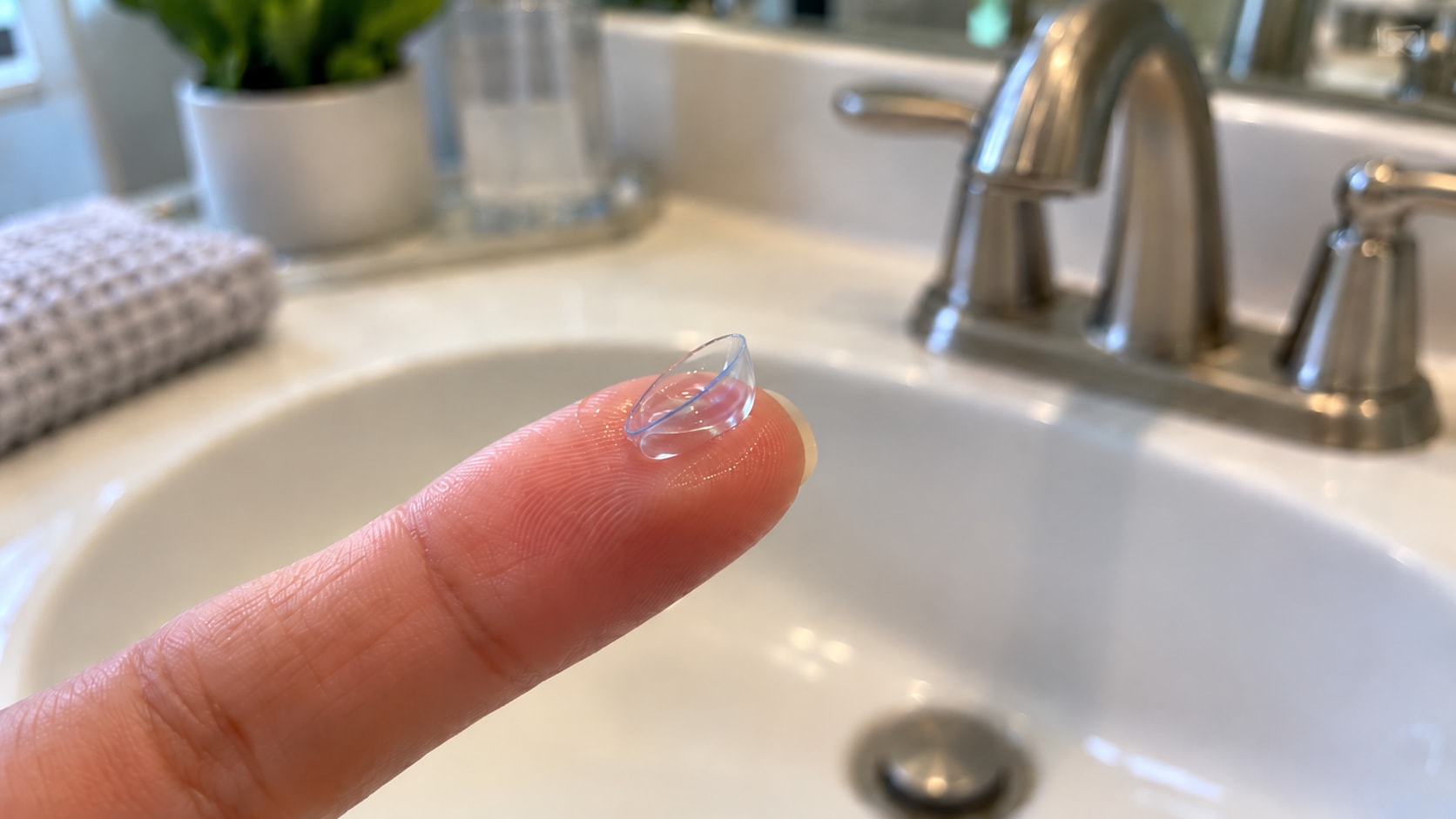
Wearing contact lenses for the first time can be a massive milestone. It’s the end of foggy lenses when you drink coffee and the start of actually seeing your periphery.
But let’s be real: the idea of poking your own eye is enough to make anyone a little jittery. If you’re currently staring at that tiny plastic case with a mix of excitement and “nope, I’m not going to do it,” don’t worry. Most of us started out blinking like crazy, convinced the lens would somehow get lost behind our eye (spoiler: it physically can’t!). Let’s break down the jitters, tackle the “how-to” without the stress, and get you feeling like a pro even if you’re a first-time contact lens wearer.
Feeling a Little Eye-nxious? It’s Normal
If the thought of touching your eye makes you want to run the other direction, you’re not alone. You aren’t bad at this. For years, your glasses (or just your eyelids, if you haven’t worn glasses) have been a sturdy barrier between your eyes and the world. Moving to contacts means removing that shield, and it’s perfectly natural for your brain to send out a warning signal.
Yes, that jumpy feeling isn’t a sign that contacts aren’t for you. It’s your body’s incredibly effective defense system doing its job.
Why Is Your Brain Protesting (and Why It’s Wrong)
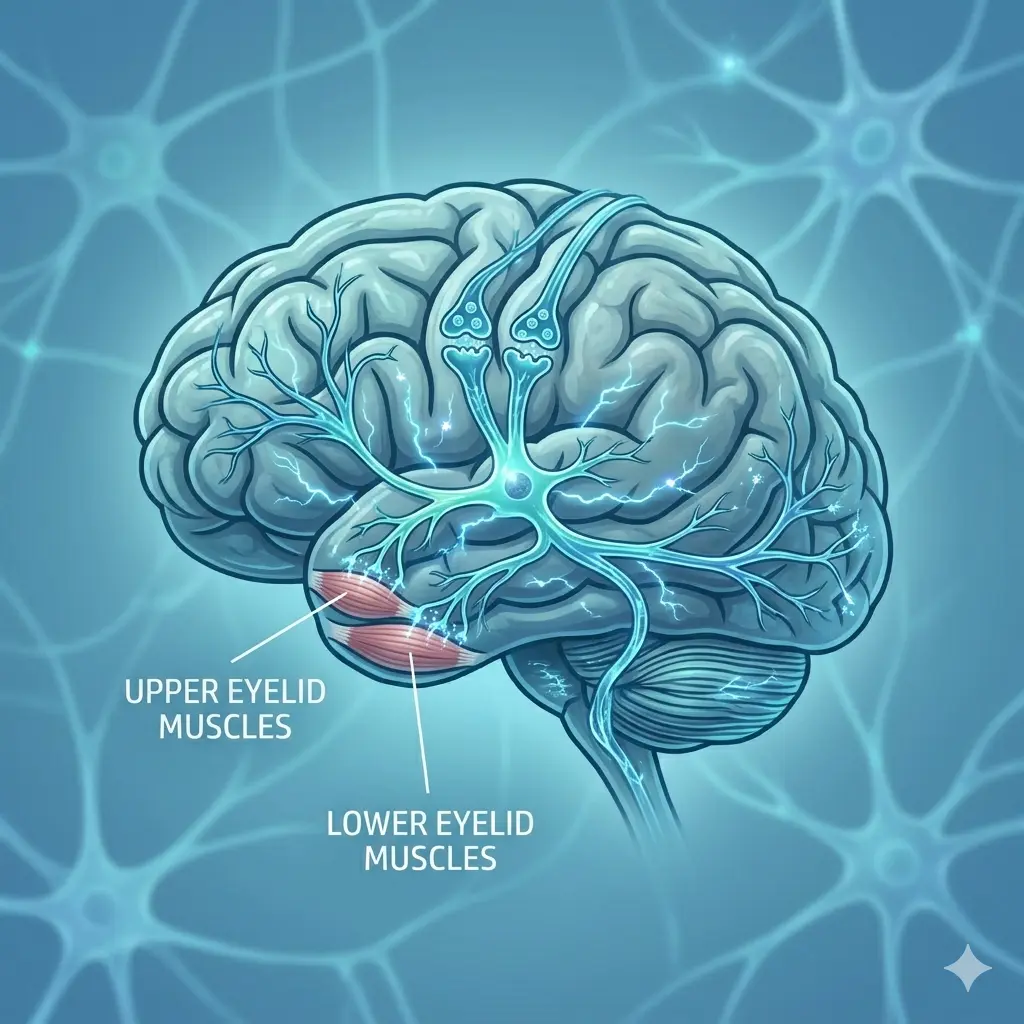
Your eyes are one of the most protected parts of your body. When something gets close to them, your brain sends a signal to your eyelids. Your eyelids slam shut faster than a camera shutter. It’s really that simple.
It’s easy to picture a contact lens as a piece of plastic or glass. It’s not. It’s a high-tech, soft medical device designed to float on a cushion of your own tears.
For an eyeglass wearer, clear vision has always felt like something you wear on your face. Shifting that to something you place on your eye is a psychological hurdle as much as a physical one.
The Lost Behind the Eye Myth
Let’s tackle the #1 horror story right now without going around the bush: No, a contact lens cannot get lost behind your eye. It is physically impossible.
Your eye is like a pocket that’s been sewn shut at the bottom. A thin, clear membrane called the conjunctiva connects your eyelid to the white of your eye. The conjunctiva acts like a seal; nothing, not even a tiny lens, can slip past it to the back of your skull.
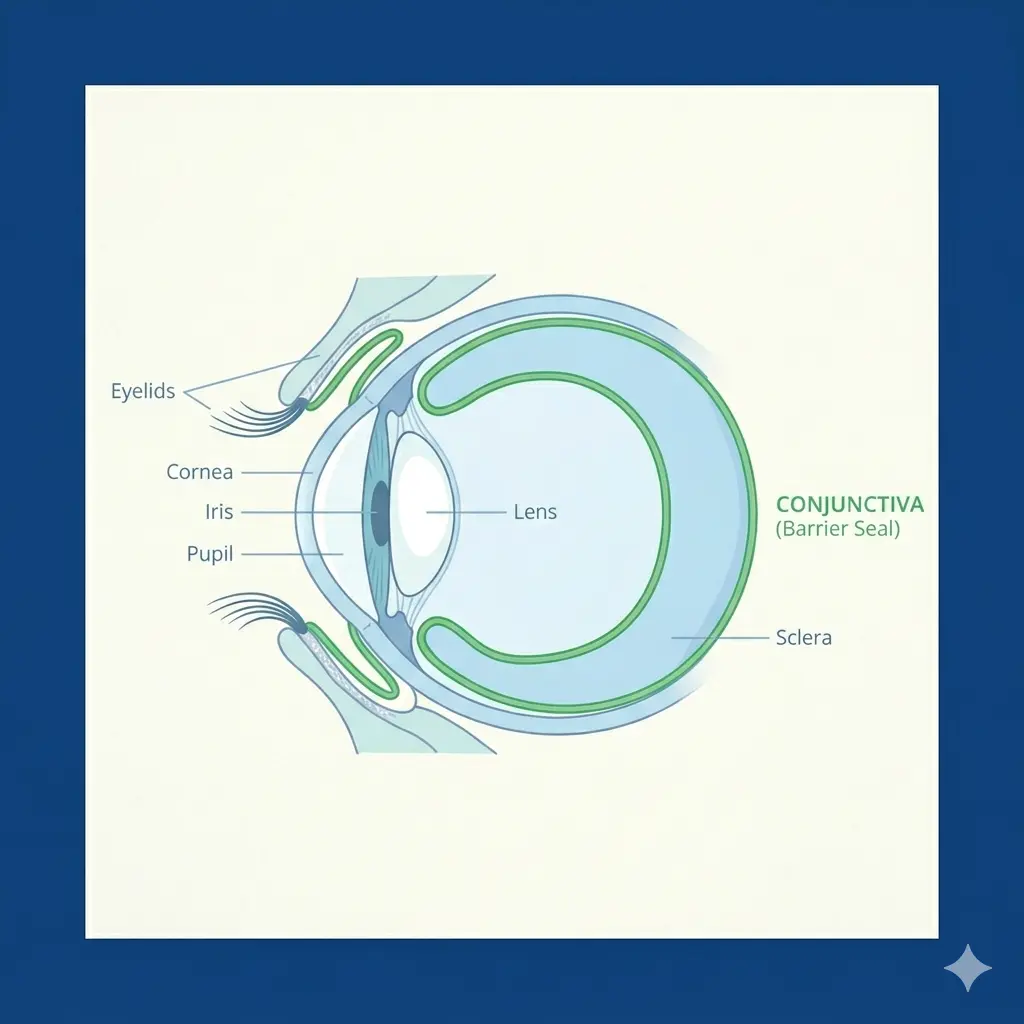
So what actually happens? A lens might occasionally slide under your upper eyelid. It feels weird, sure, but a few blinks or some rewetting drops will usually coax it right back home.
The First Try Milestone
Think back to the first time you tried to ride a bike, or put on a tie. Clumsy, right? That’s the same with contact lenses. When wearing contact lenses for the first time, you are juggling four new skills at once:
- Holding your lids open
- Suppressing the blink reflex
- Balancing a tiny, wet lens
- Staying calm
The Golden Rule: If you get frustrated, walk away. Your eyes will get red and tired if you fight them for 20 minutes straight. Take a five-minute, let your eyes relax, and try again. Tomorrow, it will be twice as easy. Next week, you’ll be doing it without even thinking.
What Does Wearing Contact Lenses Really Feel Like?
Many contact lens guidelines discuss the types of contact lenses for beginners or tips on taking care of them. But rarely do these guides discuss how it actually feels to wear them for the first time.
If you’ve spent years peering through your glasses, the first time you put in a contact lens is a total sensory shift. Suddenly, your vision isn’t something you’re wearing; it’s just part of you. But because your eye is incredibly sensitive, that first moment can feel a bit like a first date: slightly awkward, a little intense, and full of is-this-supposed-to-happen? sensations.
The New Guest Sensation
There’s no way around it. When the lens first touches your eye, you’re going to notice it.
What Your First Contact Lens Feels Like
- The First 60 Seconds: Most people describe it as a cool or wet sensation. You’ll be very aware of your eyelid moving over the lens. It’s a bit like wearing a new ring or a watch. At first, it’s all you can think about. After an hour, your brain mutes the signal.
- The Settling Period: As you blink, the lens eventually finds its center. Once it’s floating perfectly on your tear film, that something-is-in-my-eye feeling should fade away.
Tearing Up and the Blink-a-Thon
Don’t be surprised if you suddenly look like you’re watching an emotional, sad movie.
Normal First-Time Contact Lens Reactions
- Tearing Up: Your eyes are smart. When they feel there’s something in them, they produce extra tears to try and wash it away. That’s why you tear up when flecks of dust land on your eye. It’s a perfectly healthy reflex.
- Rapid Blinking: You might feel like you’re blinking at 100mph. This is just your eye trying to get the lens to sit comfortably on the cornea.
Here’s a pro-tip. If your eyes are watering, don’t rub them. Blink gently and let the tears do their thing. The excess moisture helps the lens settle into place.
Red Flags, The Difference Between New and No
While awareness is normal, pain is not. It can be hard to tell the difference when you’re a rookie.
| It’s Normal If | It’s Not Normal If |
|---|---|
| Your eye feels cool or wet. | You feel a sharp, stinging, or stabbing pain. |
| You feel the lens move slightly when you blink. | It feels like there is a grain of sand or a hair stuck under the lens. |
| Your vision takes a few seconds to sharpen. | Your vision stays blurry or foggy for more than a minute. |
| Your eyes water for the first few minutes. | Your eyes turn bright red or stay irritated. |
If it hurts, take it out. Check the lens for a tiny speck of dust, a tear in the edge. Or, the most common culprit? Check if it’s inside out.
FAQs
Even after the exam and the practice sessions, you probably still have a few questions bubbling up. Here are the most common things people wonder about during that first week.
-
Yes, and in a good way. Glasses sit about half an inch from your face and create a frame around your world. Contacts rest directly on your eye, so your side vision becomes clearer, objects will not look slightly magnified or minimized, and blind spots from thick frames are no longer in the way. The lens also moves with your eye, so things may seem faster or more vivid at first.
-
It’s perfectly normal for one eye to feel more sensitive than the other. One lens might also be sitting slightly off-center, or one eye might produce a little fewer tears. Usually, a few gentle blinks or a drop of contact-safe rewetting solution can help the lens settle into place.
-
Your eyes are adjusting to a new way of focusing, so tiredness can happen on your first day with contacts. You may also be blinking more than usual, blinking less because you’re concentrating, or handling your eyes more than normal.
-
They should not feel like sandpaper, but a little initial dryness is common. Nervousness, careful concentration, air conditioning, and computer use can all make lenses feel drier. Keep contact-safe rewetting drops nearby, and never use standard redness relief drops on contact lenses.
-
Not usually. When you first wear contacts, your brain notices every tiny sensation because the experience is new. Within a week or two, you’ll likely reach a point where you need to check the mirror to remember if your contacts are still in.
Seeing Clearly Takes Practice
Be patient with yourself. Nobody is a contact lens expert on day one. It’s okay if it takes you ten tries. It’s okay if you have to take a “frustration break” and wear your glasses for a bit.
Before you know it, your fingers will know exactly what to do. That tiny plastic case will stop looking like a challenge and start looking like your ticket to a frame-free life.
References
- Can a Contact Lens Get Lost Behind My Eye? American Academy of Ophthalmology. https://www.aao.org/eye-health/ask-ophthalmologist-q/can-contact-lens-get-lost-behind-eye. Published Date September-11-2023.
- Conjunctiva Anatomy Function and Common Conditions. Cleveland Clinic. https://my.clevelandclinic.org/health/body/24329-conjunctiva. Published Date October-22-2022.
- Contact Lenses for Vision Correction. American Academy of Ophthalmology. https://www.aao.org/eye-health/glasses-contacts/contact-lens-102. Published Date July-16-2025.
- Contact Lenses Types and How They Work. Cleveland Clinic.
https://my.clevelandclinic.org/health/articles/10737-contacts. Published Date July-06-2023.
- Soft Hydrophilic Daily Wear Contact Lenses Performance Criteria for Safety and Performance Based Pathway. U.S. Food and Drug Administration. https://www.fda.gov/media/135629/download. Published Date March-28-2023.