
The Devil Wears Prada 2 is now showing in theaters, bringing Miranda Priestly, Andy Sachs, Emily Charlton, and Nigel Kipling back into the spotlight. Disney’s official page says the sequel premiered in theaters on May 1, 2026, with Meryl Streep, Anne Hathaway, Emily Blunt, and Stanley Tucci returning to the story. The sequel has renewed attention around the original movie, its characters, and the wider creative projects connected to the franchise. One of those projects is the stage musical version of The Devil Wears Prada, which has a surprising connection to Elton John’s recent eye health struggles.
Film fans know The Devil Wears Prada as a stylish 2006 movie, yet the story also became a stage musical. Elton John wrote the music for The Devil Wears Prada: A New Musical, giving the fashion-centered story a new life on stage. His official site describes the musical’s cast recording as being composed by Elton John. The musical later became tied to a deeply personal health update when John shared that vision loss from a severe eye infection made it difficult for him to watch the production he helped create.
Who Is Elton John?
Elton John is a British singer, songwriter, pianist, and composer born Reginald Kenneth Dwight on March 25, 1947, in Pinner, Middlesex, England. He became one of the most successful entertainers of the late 20th century, known for his piano-driven songs, theatrical stage presence, and long songwriting partnership with Bernie Taupin. His career spans pop music, rock music, film, theater, and philanthropy. Even after decades in the music industry, his songs continue to reach listeners across generations.
Across his career, John has released decades of hit music and worked on major stage and screen projects, including The Lion King, Billy Elliot the Musical, Aida, and The Devil Wears Prada: A New Musical. His official biography notes that he showed musical talent at a young age and earned a scholarship to the Royal Academy of Music at age 11. His theater work helped extend his influence beyond concerts, albums, and radio hits. That wider creative reach is part of what makes his connection to The Devil Wears Prada worth discussing.
Some of Elton John’s most well-known songs include:
- “Your Song”
- “Rocket Man”
- “Tiny Dancer”
- “Crocodile Rock”
- “Daniel”
- “Goodbye Yellow Brick Road”
- “Candle In The Wind”
- “Don’t Let The Sun Go Down On Me”
- “I’m Still Standing”
- “Can You Feel The Love Tonight”
His official discography lists several of these songs in The Very Best Of Elton John, including “Your Song,” “Rocket Man,” “Crocodile Rock,” “Daniel,” “Goodbye Yellow Brick Road,” and “Candle In The Wind.” These songs helped shape his reputation as one of music’s most recognizable performers. They also show the range of his work, from tender ballads to energetic pop-rock tracks.
What Happened To Elton John’s Eyes?
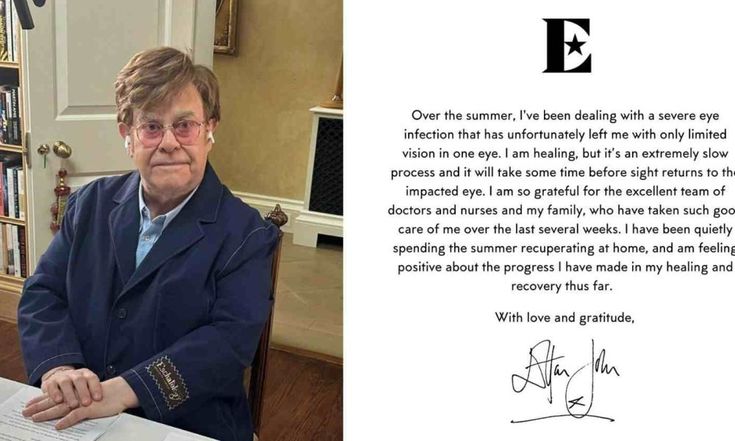
Elton John first shared a public health update in September 2024, saying that a severe eye infection had left him with limited vision in one eye. He said he had been healing at home during the summer and described the recovery process as slow. AP News reported that John later spoke about his eyesight at the opening night of the musical The Devil Wears Prada in London. His comments made the condition more public because he connected the vision problem to his ability to experience the show.
During the opening night event, John told the audience that he had lost his eyesight after the infection. He said he had not been able to attend several previews because it was hard for him to see the show. He also shared that he loved hearing the performance, even if he could not fully see what was happening on stage. That detail stood out because the musical was a creative project built partly around his own music.
Reports later described his condition as more serious. The Guardian reported that John lost vision in his right eye and had limited vision in his left eye after contracting the infection in France. His exact diagnosis has not been publicly confirmed, so it is best not to name a specific eye condition. What is clear is that the infection had a serious effect on his sight, his work, and his daily life.
Why Couldn’t Elton John Watch The Devil Wears Prada Musical?
Elton John wrote the music for The Devil Wears Prada: A New Musical, so the London opening was more than a regular theater event for him. He was present for a production he helped shape, yet his vision loss made it hard for him to see the performance. AP News reported that he told the audience it was difficult for him to see the show, though he loved hearing it. That made the moment emotional for fans, theatergoers, and readers following his health update.
The situation was especially moving because stage musicals rely heavily on visual details. Costumes, lighting, set design, choreography, facial expressions, and movement all work together to tell the story. John could still experience the music and sound of the production, but the visual side was harder for him to take in. For a composer, that kind of limitation can feel deeply personal.
Vision loss can affect more than sharpness or clarity. It can change how someone reads, watches performances, recognizes faces, moves through unfamiliar places, and enjoys ordinary moments. For John, the infection not only affects his health in private. It also changed how he experienced a public milestone tied to his own creative work.
Can An Eye Infection Cause Vision Loss?
Yes, some eye infections can cause vision loss, especially when the infection affects the cornea or deeper structures inside the eye. The cornea is the clear front surface of the eye, and it needs to stay clear so light can pass through properly. When the cornea becomes inflamed, infected, swollen, or scarred, vision can become blurry or reduced. Severe cases can affect sight long after the first symptoms appear.
One serious condition linked to vision loss is keratitis, which means inflammation of the cornea. Mayo Clinic says keratitis can be caused by bacteria, viruses, fungi, parasites, injuries, or contact lens-related problems. Mild or moderate keratitis can often be treated without lasting vision loss when care starts early. Severe cases, delayed treatment, or corneal damage can lead to scarring, reduced vision, or blindness.
The CDC also warns that bacterial keratitis can lead to vision loss or blindness if left untreated. This type of infection can affect contact lens wearers and people who do not wear contact lenses. The risk depends on the cause, severity, and timing of treatment. That is why eye pain, light sensitivity, discharge, or vision changes should never be brushed off as simple irritation.
What Symptoms Can Come With A Serious Eye Infection?
Eye infections can start with symptoms that seem minor, such as redness, watering, or irritation. The situation becomes more urgent when symptoms affect vision, cause pain, or make the eye sensitive to light. Mayo Clinic lists keratitis symptoms that include eye redness, eye pain, excess tears or discharge, blurred vision, decreased vision, light sensitivity, and the feeling that something is in the eye. These symptoms can overlap with other eye problems, so an eye doctor should check them when they feel unusual or intense.
Why Do Some Eye Infections Become So Serious?
The eye is delicate, and some infections can move quickly. If germs reach the cornea, the surface can become inflamed, swollen, or damaged. A severe infection can lead to scarring, and scarring can block light from passing through clearly. Once the cornea loses clarity, vision can become distorted, cloudy, or reduced.
Some infections can also affect deeper parts of the eye. These cases can be harder to treat and can threaten sight faster than surface-level irritation. That is why eye pain, sudden vision changes, light sensitivity, swelling, or discharge should be treated as warning signs. Fast care gives the eye a better chance of healing before damage becomes lasting.
John has not publicly shared the exact medical details of his infection. That means readers should avoid assuming the cause, diagnosis, or treatment plan behind his vision loss. Still, his case shows why an eye infection should not be treated as ordinary redness when vision starts to change. A red eye with pain or blurry sight deserves medical care.
What Causes Eye Infections?
Eye infections can happen for different reasons. Common causes and risk factors include:
- Bacteria, viruses, fungi, and parasites can infect the eye and cause redness, pain, discharge, or vision changes. Some infections are mild, while others can become serious without proper treatment.
- A scratch, cut, or trauma to the eye can make it easier for germs to enter. Any eye injury with pain, redness, or blurry vision should be checked by an eye doctor.
- Swimming, showering, or rinsing contact lenses with water can expose the eyes to harmful germs. This can raise the risk of infection, especially for contact lens wearers.
- Touching the eyes with dirty hands, using expired eye products, or not cleaning contact lenses properly can increase infection risk. Clean habits help lower the chance of germs reaching the eye.
- Some people have a higher risk of infection because of health conditions, medications, or eye surface problems. These cases may need faster medical attention.
- Contact lens wear can increase the risk of certain eye infections when lenses are not cleaned, stored, or worn properly. The CDC says bacterial keratitis can affect contact lens wearers and people who do not wear contact lenses.
This does not mean Elton John’s infection was contact lens-related. No reliable public source says his infection came from contact lenses. Contact lens-related keratitis is simply one known example of how an eye infection can become serious.
Eye infections can also become harder to treat when the wrong treatment is used or when care is delayed. Different germs need different medications, so guessing at home can be risky. An eye doctor can examine the eye and decide what care is needed.
How Are Serious Eye Infections Treated?
Treatment depends on the cause of the infection. A bacterial infection might need antibiotic eye drops, while viral, fungal, or parasitic infections need different medications. Some cases need lab testing, close follow-up visits, or care from a cornea specialist. The right treatment plan depends on the eye exam, symptoms, severity, and suspected cause.
An eye doctor may examine the cornea, test vision, check for inflammation, and decide whether a sample is needed for testing. Mayo Clinic says treatment for infectious keratitis varies depending on the cause, including antibacterial, antifungal, or antiviral medicines. Severe cases may need more advanced care if the cornea is badly damaged. In rare cases where permanent corneal damage seriously affects vision, a corneal transplant might be recommended.
Recovery can take time, especially when the infection is severe. John himself described the healing process as slow when he first shared his health update. That detail matters for readers who expect every eye infection to clear quickly. Some eye infections improve with prompt care, while more serious cases can take weeks or months to recover.
When Should You See An Eye Doctor?
You should see an eye doctor right away if you have eye pain, sudden blurry vision, reduced vision, strong light sensitivity, discharge, swelling, or redness that does not improve. A red eye with vision changes should be treated as more serious than ordinary irritation. These symptoms can point to corneal inflammation, infection, injury, or another condition that needs treatment. Waiting too long can raise the risk of complications.
You should also get urgent care if symptoms happen after an eye injury, chemical exposure, contact lens use, or exposure to dirty water. These situations can raise the risk of infection or corneal damage. Fast treatment can help protect vision before the infection gets worse. It can also reduce discomfort and help prevent the condition from spreading or damaging the eye further.
If you wear contact lenses and notice unusual irritation, remove the lenses and avoid wearing them again until an eye doctor says it is safe. The CDC gives similar guidance for unusual eye irritation in contact lens wearers. You should also avoid rinsing or storing contact lenses in water, since water exposure can raise infection risk. Clean lens habits matter, but symptoms still need medical attention when pain or vision changes appear.
Takeaway
Elton John’s vision loss is a reminder that eye infections should be taken seriously. Redness, irritation, or watering can seem minor at first, but symptoms like pain, blurry vision, light sensitivity, discharge, or reduced sight should never be ignored. His experience shows how quickly an eye issue can affect work, creativity, independence, and daily life.
For John, the infection not only affects his everyday routine. It also kept him from fully seeing a musical he helped bring to the stage. That makes his story a strong reminder to pay attention to eye symptoms instead of waiting for them to pass.
If your eyes feel painful, your vision changes, or an infection does not improve, book an eye exam as soon as possible. A licensed eye doctor can check what is happening and recommend the right treatment. Once your eyes are healthy and you have a valid prescription, Contacts America makes it easy to shop for contact lenses online and keep your supply on track.
Frequently Asked Questions About Elton John’s Vision Loss
References:
About Elton John. EltonJohn.com. https://www.eltonjohn.com/elton-john. Accessed May 4, 2026.
Elton John Says He Has Lost His Eyesight. Associated Press. https://apnews.com/article/elton-john-eyesight-devil-wears-prada-70a8bd755142c438ab1e9ddeb3c3db83. December 2, 2024. Accessed May 4, 2026.
Elton John Reveals He Is Unable To Watch His Own Musical After Losing Eyesight. The Guardian. https://www.theguardian.com/music/2024/dec/02/elton-john-reveals-he-is-unable-to-watch-his-own-musical-after-losing-eyesight. December 2, 2024. Accessed May 4, 2026.
Keratitis: Diagnosis And Treatment. Mayo Clinic. https://www.mayoclinic.org/diseases-conditions/keratitis/diagnosis-treatment/drc-20374114. July 2, 2024. Accessed May 4, 2026.
Keratitis: Symptoms And Causes. Mayo Clinic. https://www.mayoclinic.org/diseases-conditions/keratitis/symptoms-causes/syc-20374110. July 2, 2024. Accessed May 4, 2026.
The Devil Wears Prada 2: Now In Theaters. Disney+. https://www.disneyplus.com/explore/articles/the-devil-wears-prada-2-movie. Accessed May 4, 2026.
The Devil Wears Prada: A New Musical Album. EltonJohn.com. https://www.eltonjohn.com/stories/the-devil-wears-prada-a-new-musical-orignal-west-end-cast-recording-album. September 19, 2025. Accessed May 4, 2026.
The Very Best Of Elton John. EltonJohn.com. https://www.eltonjohn.com/discography/the-very-best-of-elton-john. Accessed May 4, 2026.
What Causes Bacterial Keratitis. Centers for Disease Control and Prevention. https://www.cdc.gov/contact-lenses/causes/what-causes-contact-lens-related-bacterial-keratitis.html. May 27, 2025. Accessed May 4, 2026.