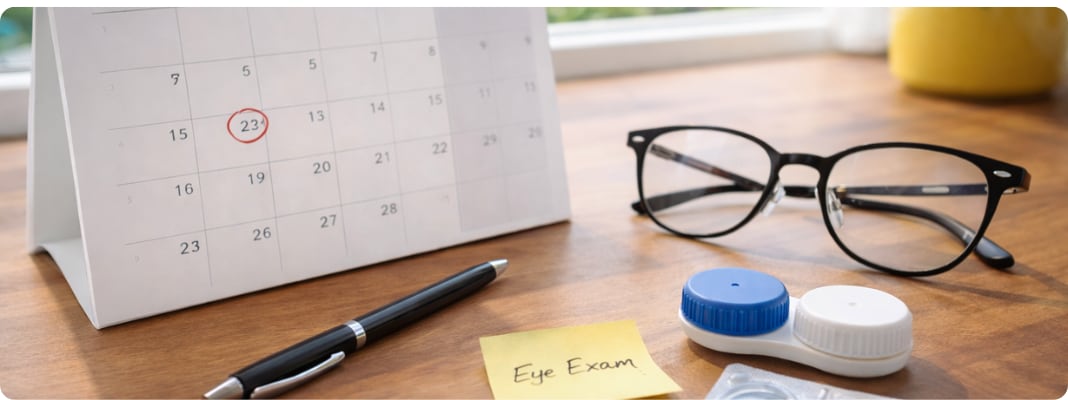
Most people book an eye exam only when something feels “off,” like blurry vision, headaches, or trouble reading signs. The problem is that many eye conditions can start quietly, with no obvious symptoms, so waiting can mean missing the easiest window to catch changes early.
That is why World Optometry Day on March 23 is a perfect reminder to treat your eye checkup like a routine, not a last resort. If you have been wondering how often should you get an eye exam, this guide will make it clear and practical.
You will get a simple schedule by age and risk, what happens during a comprehensive eye exam (including when a dilated eye exam may be recommended), contacts specific guidance like a contact lens exam, basic cost and insurance notes, and quick FAQs.
World Optometry Day: A Good Reason to Put Eye Exams on Your Calendar
World Optometry Day is observed every year on March 23. It highlights the role of optometrists and reminds all of us that eye care is not only about updating a glasses prescription. It is also about protecting your long term vision and checking eye health before symptoms show up.
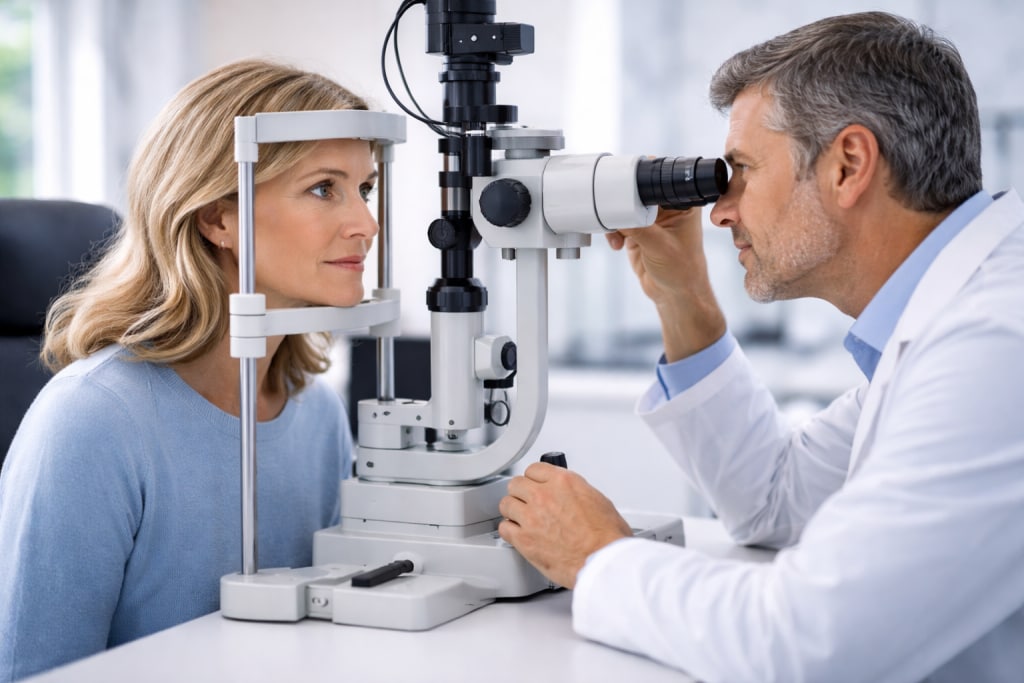
A routine optometrist visit can help confirm your vision is still correct, but it can also spot early signs of common eye problems and even clues about overall health. That is why many people schedule an annual eye exam or follow a set eye exam frequency plan based on their age and risk factors, instead of waiting until vision changes are obvious.
Quick Takeaways
- Schedule: Put your next eye doctor appointment on the calendar, especially if it has been a while.
- Know Your Risk: Kids, adults over 40, and anyone needing a diabetic eye exam or a vision test for symptoms may need exams more often.
- Don’t Wait For Symptoms: Many issues are easier to manage when found early, even if your vision seems “fine.”
If you wear contacts, it also helps to know the warning signs in contact lens use so you can move your appointment up when something feels wrong.
Quick Answer: How Often to Get an Eye Exam
If you are trying to figure out how often you should get an eye exam, a good baseline for most people is every one to two years. Then you tighten the schedule if you have higher risk factors, wear contacts, or notice changes.
| Group | If Low Risk | If Higher Risk | Why It May Be More Often |
|---|---|---|---|
| Kids and teens | Every 1 to 2 years | Yearly, or as advised | Vision can change quickly with growth, and some issues do not show obvious symptoms. |
| Adults (18 to 59) | Every 1 to 2 years | Yearly, or as advised | Symptoms, family history, and health conditions can change your eye exam frequency. |
| Adults (60+) | Every 1 to 2 years | Yearly, or more often | Risk rises with age, and you are more likely to need closer monitoring. |
| People with diabetes | Follow your eye doctor’s plan | Yearly dilated eye exam is commonly recommended | Diabetes can affect the retina even before vision feels different. |
| Contact lens wearers | Every 1 to 2 years | Often yearly, depending on fit and eye health | A contact lens exam checks fit, comfort, and eye surface health, not just prescription power. |
Why Recommendations Vary
You will see advice like “every 1 to 2 years” and “every year” because the right schedule depends on your risk profile and your eyes’ history. Your eye doctor may recommend more frequent exams if you are over 60, have diabetes, have a family history of eye disease, wear glasses or contacts, or have had an eye injury or surgery.
It is also normal for the plan to change over time. For example, someone with stable vision may stay on a 1 to 2 year rhythm, while someone who needs a prescription update, a glasses prescription check, or follow up on eye pressure may be asked to come in sooner.
If contacts are part of your routine, keeping up with simple care basics between visits matters too, so this contact lens care guide for beginners is a helpful refresher.
Eye Exam vs Vision Screening: What’s the Difference?
A lot of people mix these up, especially if they have done a school eye screening or a quick vision test at a clinic or pharmacy. The short version is that a screening is a fast check for obvious problems, while a comprehensive eye exam is a full evaluation of both vision and eye health.
Vision Screening
A vision screening is designed to flag possible issues, like reduced distance vision, but it is limited. It may miss focusing problems, eye teaming issues, and early eye disease because it is not meant to be a full diagnostic workup.
Comprehensive Eye Exam
A comprehensive eye exam checks how well you see and also evaluates eye health, and it can include multiple components and additional testing based on your situation. That is why comprehensive exams are used to monitor eye conditions and detect problems early, sometimes before you notice symptoms.
| Vision Screening | Comprehensive Eye Exam | |
|---|---|---|
| Main Goal | Quick flag for possible vision issues | Full vision + eye health evaluation |
| Who Performs | Often non eye care staff (school, event, basic clinic) | Eye care specialist (optometrist or ophthalmologist) |
| What It Can Miss | Many vision skill issues and early eye disease | More complete picture, with follow up and treatment plan |
| Best Use | A starting point | The standard for diagnosis and ongoing care |
If you wear contacts, this difference matters even more because a screening cannot replace a proper contact lens exam and fit check.
What Happens During an Eye Exam?
A routine eye exam is part vision check, part eye health check. Even if you came in for a simple vision test or a quick glasses prescription check, most appointments include a few key steps to make sure your eyes are healthy, not just “seeing okay.”
The Core Steps Most Exams Include
- Patient History And Symptoms
Your provider will ask what you are noticing and what has changed, like headaches, blur, dryness, floaters, or night driving trouble. They will also ask about medications, family history, and health conditions that can affect the eyes, like diabetes or high blood pressure. - Visual Acuity And Refraction
This is the familiar “read the letters” part, followed by the lens choices that fine tune your prescription. The refraction step is how your doctor confirms whether you need an updated prescription for glasses or contacts. - Eye Health Checks
This is where a comprehensive eye exam goes beyond a basic eye screening. Your doctor checks the front of the eye (cornea, lens, and more), often measures eye pressure, and looks for early signs of common eye conditions that may not cause symptoms right away.
If you wear contacts, your eye doctor appointment may include a contact lens exam too. That usually means checking lens fit and comfort on your eye, making sure your cornea looks healthy, and confirming the prescription is working well in real wear.
A lot of “dry eye” complaints are actually triggered by indoor air, so this explains why your eyes feel dry when the AC or heater is on and what helps.
Does A Routine Eye Exam Include Dilation?
Sometimes, yes. A dilated eye exam uses drops to widen the pupil so your doctor can get a clearer view of the retina, optic nerve, and blood vessels at the back of the eye. This can be especially helpful if you have risk factors like diabetes, high eye pressure, a strong family history of eye disease, or new symptoms that need a closer look.

Not every visit requires dilation, and some offices may use retinal imaging as an additional tool. The best approach is simple: ask whether dilation is recommended for you today, and if not, when you should plan it.
How Long Does an Eye Exam Take and Can You Drive After?
Typical Appointment Length
Most optometrist visit appointments take about 30 to 60 minutes, but it can vary based on what you need that day.
A few things that can make it longer:
- A first time exam or lots of questions to cover
- A contact lens exam or fitting, especially if you are trying new lenses
- Extra testing for eye health concerns
- Dilation, since it may add time before your eyes feel comfortable again
Driving After Dilation
Many people can drive after dilation, but it depends on how your eyes respond. Your vision may be blurry up close and you may feel more light sensitive for a few hours, so bring sunglasses and plan a little extra time.
If you already struggle with glare, feel anxious about driving, or have to drive at night, it is smart to plan a ride just in case. When you check in, you can also ask the staff what most patients experience at that clinic, since dilation effects can vary.
When You Shouldn’t Wait for Your Next Eye Exam
A routine eye exam is great for prevention, but some symptoms are not “wait and see” situations. If something changes quickly, it is worth moving your eye doctor appointment up, even if your last visit was recent.
Do not ignore these symptoms, especially if they are sudden or getting worse:
- Sudden vision changes like a new blind spot, curtain effect, or vision that drops in one eye
- Eye pain that is sharp, intense, or comes with headache or nausea
- New flashes of light or a sudden increase in floaters, especially if one eye is affected more
- Significant redness with discomfort, crusting, or swelling
- New light sensitivity that makes it hard to keep the eye open
- Blurry vision that does not clear after blinking or removing your contacts
Urgent Note: If you have sudden vision loss, severe eye pain, or flashes and floaters with a shadow or curtain in your vision, treat it as urgent and get evaluated right away. It is always better to be told “you’re okay” than to wait too long.
What An Eye Exam May Reveal About Overall Health
An eye checkup is not a full medical diagnosis, but your eyes can show clues about what is happening elsewhere in the body. During a comprehensive eye exam, your provider can sometimes see changes in the retina and blood vessels that suggest issues linked to conditions like diabetes or high blood pressure.
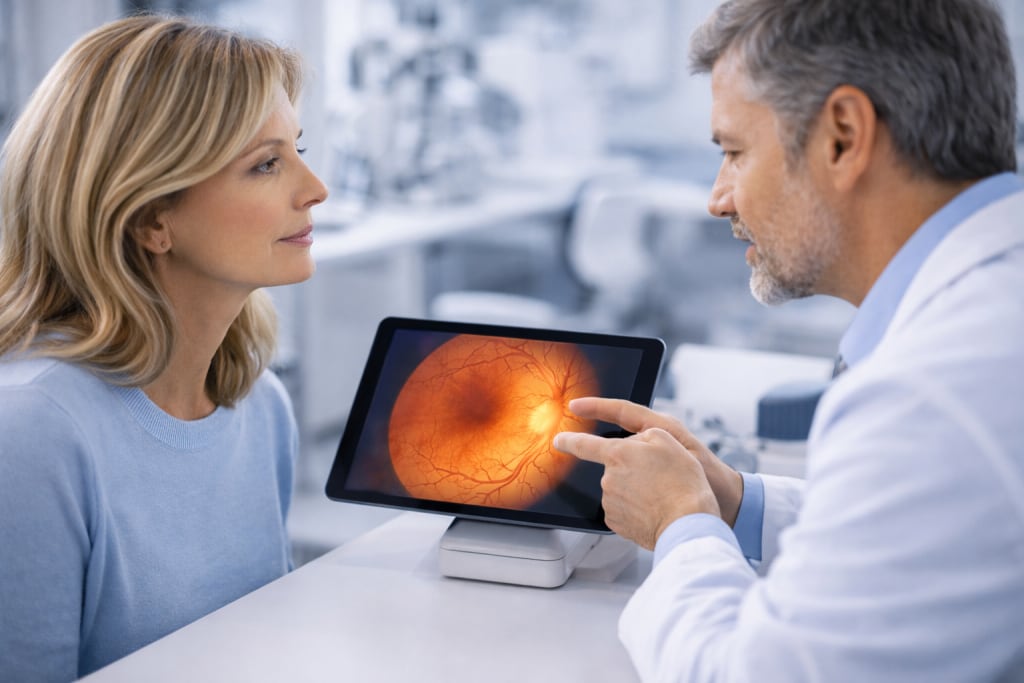
That is why people who have diabetes, hypertension, or a strong family history often need a more regular eye exam frequency and may be advised to include a dilated eye exam. Even if your vision feels fine, the “health check” part of an exam can still be valuable.
Eye Exams for Contacts: How Often Do You Need One?
If you wear contacts, your schedule is usually a bit more structured. A contact lens exam is not just a prescription update. It also checks how the lens fits, how your cornea is doing, and whether your lenses are still the safest match for your eyes.
Why Contact Lens Wearers Often Need More Frequent Checkups
Contacts sit directly on the eye, so small changes can matter more than you think. A routine visit can help catch issues early, before they turn into discomfort or recurrent irritation.
Use this quick checklist to see why follow ups matter for contact wearers:
- Fit: Lenses can start fitting differently over time, even if your prescription is the same
- Comfort: Dryness, allergy season irritation, and screen time can change what feels “good”
- Cornea Health: Your provider checks for dryness, inflammation, and signs of overwear
- Prescription Accuracy: Especially if vision feels slightly off or fluctuates during the day
A simple rule of thumb many clinics use is that if you have not had a contact lens check in the last 1 to 2 years, you are likely due, even if you can still see well. That is because fit and eye health can change without obvious symptoms.
Contact Lens Prescription Basics You Should Know
- Your contact lens prescription expires. The exact expiration depends on your prescriber and local rules, so do not assume last year’s prescription is still valid. Ordering with an expired contact lens prescription can delay your order and may keep you in lenses that are no longer the best fit.
- You should receive your prescription after your fitting. In the US, patients have the right to get their contact lens prescription once the fitting is complete. If you did not receive it, you can ask for it directly.
- Contacts and glasses prescriptions are not the same. A contacts prescription includes lens specific details like brand and fit related parameters, so a glasses prescription cannot be used as a substitute.
If you’re trying to stay comfortable during long days, these habits for how to keep your eyes healthy while wearing contacts can make a noticeable difference.
Eye Exam Cost and Insurance: What to Expect
If you are booking an eye exam around World Optometry Day, cost is usually the second question after “How often should I go.” The helpful part is this: most price differences come from what type of visit you are having and whether you are adding contacts.
| What You Get | What It Includes | Why The Cost Can Change |
|---|---|---|
| Routine vision exam | Basic vision test, refraction, and overall eye health checks | Clinic fees vary and extra tests may be recommended based on your age and symptoms |
| Medical eye visit | Evaluation for a specific problem like pain, sudden blur, redness, or injury | Medical complexity can add testing and follow up care |
| Dilated eye exam | Drops + deeper view of the retina and optic nerve | Not always required, but more common with risk factors or new symptoms |
| Extra testing | Imaging or specialty tests if needed | Usually added when the doctor is checking something specific |
| Contact lens exam and fitting | Lens fit check, comfort evaluation, and final contact lens prescription | Often billed separately because it includes fit and safety, not just prescription power |
Quick Tip: If you wear contacts, ask upfront whether the contact lens fitting is a separate fee from the routine comprehensive eye exam. It helps you compare clinics accurately.
Featured Contacts To Discuss After Your Exam
Your exam confirms what is safe for your eyes and your prescription. Once you have an updated contact lens prescription, these are popular options to ask about depending on comfort needs, wear schedule, and whether you have astigmatism.
DAILIES TOTAL1
DAILIES TOTAL1 is a daily disposable option that keeps your routine simple because you start with a fresh lens each day. Many wearers like it for consistent comfort and convenience, especially when they want fewer variables from cases and cleaning steps.
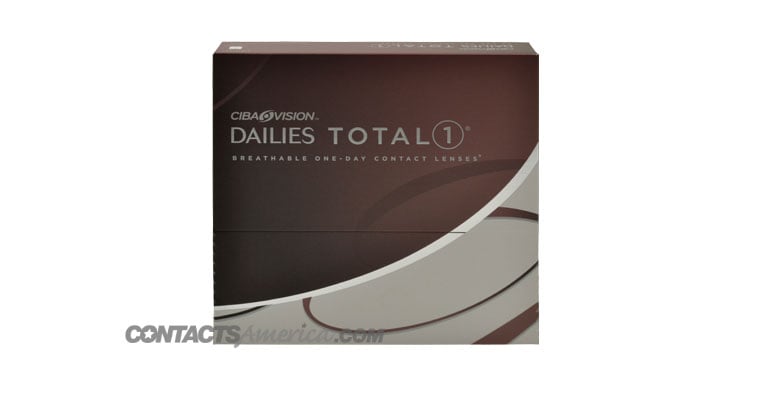
When you want the easiest daily routine and a clean start every morning, ask about DAILIES TOTAL1.
ACUVUE OASYS 1-DAY WITH HYDRALUXE
ACUVUE OASYS 1-Day with HydraLuxe is a daily lens many people prefer for longer days and screen heavy routines. It is a strong discussion pick if your eyes feel tired in dry indoor air or after hours of work, since daily comfort can shift with your schedule.
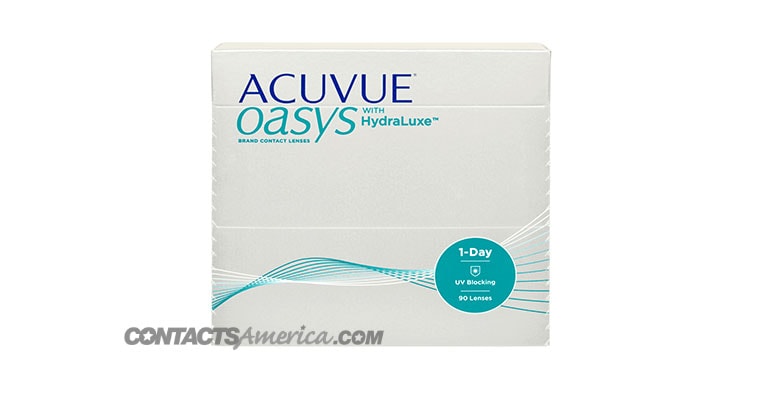
For long days when you want comfort to stay steady from morning to night, bring up ACUVUE OASYS 1-Day with HydraLuxe.
PRECISION1
PRECISION1 is a daily option that fits busy schedules and keeps wear predictable without a nightly cleaning routine. It is worth asking about if you want daily convenience with a straightforward replacement schedule and minimal fuss.
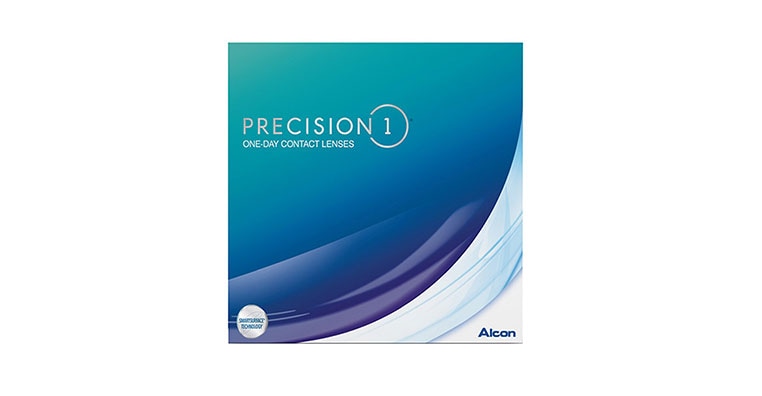
Need a simple daily lens you can rely on without extra steps, consider PRECISION1.
ACUVUE OASYS FOR ASTIGMATISM
Acuvue Oasys For Astigmatism is a toric lens designed to correct astigmatism and is commonly worn on a two week schedule. It is a good lens to discuss if your vision fluctuates in contacts or you need stable clarity, since toric fit and rotation control matter a lot.
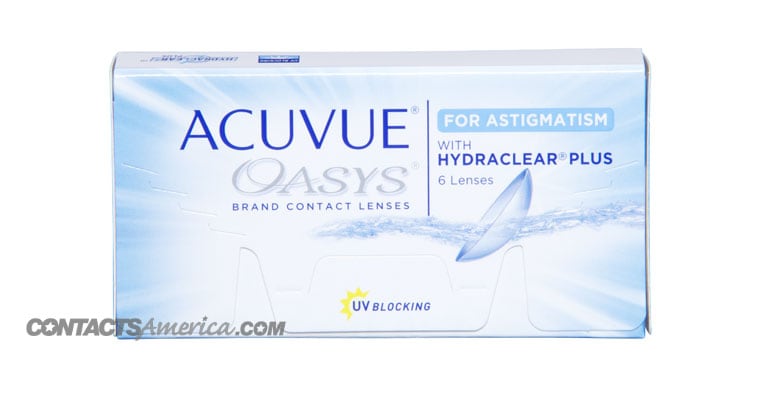
If your prescription includes astigmatism and you want clearer, steadier vision, ask your doctor about Acuvue Oasys for Astigmatism.
BIOFINITY
Biofinity is a monthly lens option for people who prefer a consistent reusable routine and wear contacts most days. It can be a good match when you are reliable with cleaning and replacement, since comfort depends on sticking to your schedule.
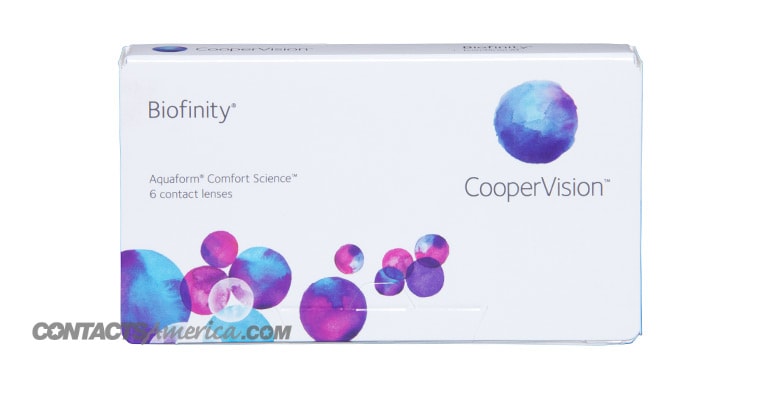
For a monthly routine you can commit to with steady care habits, talk with your provider about Biofinity.
Quick Comparison
| Product | Wear Schedule | Best For | Why It Fits This Post |
|---|---|---|---|
| DAILIES TOTAL1 | Daily | Comfort and easiest routine | Simple daily wear after your prescription update |
| ACUVUE OASYS 1-Day with HydraLuxe | Daily | Long days and screens | Good option to discuss if your routine strains your eyes |
| PRECISION1 | Daily | Straightforward daily wear | Easy routine and consistent daily replacement |
| ACUVUE OASYS for ASTIGMATISM | Two week | Astigmatism correction | Toric fit check makes regular exams more important |
| Biofinity | Monthly | Reusable routine wearers | Works best with consistent care and on time replacement |
Eye Habits Between Exams
A good eye exam schedule matters, but what you do between visits is what keeps your eyes comfortable day to day.
Screen Breaks And Eye Strain Basics
When you stare at a screen, you blink less, and your eyes dry out faster. That is why even a simple habit can make a noticeable difference.
Quick Rules To Try
- Use the American Optometric Association (AOA) 20-20-20 rule: every 20 minutes, look 20 feet away for 20 seconds.
- Do a “blink reset” during breaks: close your eyes gently, then blink slowly a few times to re-wet the surface.
- Tip: some people prefer a 30-30-30 reminder. Every 30 minutes, look about 30 feet away for 30 seconds. It is not a universal standard, but it can be an easy timer habit if 20-20-20 feels too frequent.
- If your eyes feel dry, do not push through it. A short break or switching to glasses for a bit can help you finish the day more comfortably.
If screen time is your everyday reality, this digital detox eye health guide has simple, realistic habits to reduce strain.
Contact Lens Hygiene Habits That Protect Your Eyes
If you wear contacts, comfort and safety depend more on routine than brand.
Quick Rules That Prevent Most Problems
- Wash and dry hands before touching lenses, every time.
- Replace lenses on schedule. Stretching wear time is one of the fastest ways to trigger irritation.
- Do not sleep in lenses unless your eye doctor specifically prescribed lenses approved for overnight wear.
- Keep water away from lenses. No rinsing with tap water and no wearing lenses in the shower or pool.
- If you use reusable lenses, use fresh contact lens solution each time and replace the case regularly.
If you’ve ever been tempted to nap in them, read what happens if you sleep with contacts so you know the risks before it becomes a habit.
How Often to Get an Eye Exam Comes Down to Age, Risk, and Routine
If you are wondering how often you should get an eye exam, the simplest answer is to follow a schedule that matches your life stage and your risk factors, not just your current vision. Do not wait for red flags like sudden vision changes, eye pain, new flashes or floaters, or strong light sensitivity, since those can be signs you need faster evaluation.
Ready to use your updated prescription with confidence? Shop contact lenses and choose the wear schedule and lens type that fits your eyes and your routine.
FAQs: How Often Should You Get an Eye Exam?
1. How often do you actually need an eye exam?
For many adults, a routine eye exam every 1 to 2 years is a common baseline. If you have symptoms, wear contacts, or have higher risk factors like diabetes or a strong family history of eye disease, your provider may recommend more frequent visits.
2. Do I need an eye test every 2 years?
If you are low risk and your vision is stable, an eye test every two years can be reasonable for many people. If you notice changes, get headaches, or your work is screen heavy, it may be smarter to go sooner.
3. How often do I need an eye exam for contacts?
Most people should plan a regular contact lens exam at least every 1 to 2 years, and sometimes yearly depending on fit and eye health. Contacts sit directly on the eye, so comfort, dryness, and cornea health can change even when your prescription feels close enough.
4. What tests are done during an eye exam?
A comprehensive eye exam usually includes a vision check, refraction for prescription accuracy, and eye health checks. Depending on your needs, the doctor may also check eye pressure and do additional testing for the retina or optic nerve.
5. Does a routine eye exam include dilation?
Sometimes. A dilated eye exam helps the doctor see deeper into the back of the eye, which can be especially helpful if you have risk factors or new symptoms. If dilation is not done every visit, ask when you should plan one.
6. How long should an eye exam last?
Many appointments take around 30 to 60 minutes, but it depends on testing and whether you are getting contacts fitted. If dilation is included, your visit may take longer and your vision may stay light sensitive for a few hours afterward.
7. How often can you get an eye exam with insurance?
It depends on your plan. Many vision plans cover a routine eye checkup once a year, while medical insurance may apply more when the visit is for a medical concern. The best move is to check your specific benefits before booking.
8. What is the 30-30-30 rule for eyes?
It is a simple screen break habit some people use: every 30 minutes, look about 30 feet away for 30 seconds. It works like the better known 20-20-20 rule, and the goal is the same. Give your eyes a break, blink more normally, and reduce strain.
9. How do I know when I need to get my eyes checked?
Book an eye doctor appointment if you notice new blur, headaches with reading, trouble driving at night, frequent eye strain, or sudden changes like flashes or a lot of new floaters. If something feels sudden or intense, do not wait for your next scheduled exam.
10. I have good vision, do I still need an eye exam?
Yes, because an eye exam is not only about a prescription. It is also an eye health check, and some conditions can start without obvious symptoms. Staying on a routine schedule helps catch issues earlier, when they are easier to manage.
Disclaimer: This content is for general informational purposes only and is not a substitute for professional advice, diagnosis, or treatment.
References
Eye Exam and Vision Testing Basics. American Academy of Ophthalmology. https://www.aao.org/eye-health/tips-prevention/eye-exams-101. Date Accessed: March 16, 2026.
Keep an Eye on Your Child’s Vision. Centers for Disease Control and Prevention. https://www.cdc.gov/vision-health/prevention/youth-vision-problems.html. Date Accessed: March 16, 2026.
Get a Dilated Eye Exam. National Eye Institute. https://www.nei.nih.gov/eye-health-information/healthy-vision/finding-eye-doctor/get-dilated-eye-exam. Date Accessed: March 16, 2026.
Standard eye exam. MedlinePlus. https://medlineplus.gov/ency/article/003434.htm. Date Accessed: March 16, 2026.
Vision Loss and Diabetes. Centers for Disease Control and Prevention. https://www.cdc.gov/diabetes/diabetes-complications/diabetes-and-vision-loss.html. May 15, 2024.
Contact Lens Prescription. U.S. Food and Drug Administration. https://www.fda.gov/medical-devices/contact-lenses/contact-lens-prescription. Date Accessed: March 16, 2026.
FAQs: Complying with the Contact Lens Rule. Federal Trade Commission. https://www.ftc.gov/business-guidance/resources/faqs-complying-contact-lens-rule. Date Accessed: March 16, 2026.
Preventing Eye Infections When Wearing Contacts. Centers for Disease Control and Prevention. https://www.cdc.gov/contact-lenses/prevention/index.html. Date Accessed: March 16, 2026.
Eye Care | Vision Care. MedlinePlus. https://medlineplus.gov/eyecare.html. December 1, 2025.
What Are Floaters and Flashes? American Academy of Ophthalmology. https://www.aao.org/eye-health/diseases/what-are-floaters-flashes. Date Accessed: March 16, 2026.
Related Articles
-
Oxygen Permeability in Contact Lenses and Why It Matters for Comfort
-

Splash Safely While Wearing Contacts at the Water Park
-

Wearing Contacts? Pack These for a Summer Weekend Getaway
-

Makeup, Sweat, and Contact Lenses: Summer Eye Care Tips
-
New Year, New Vision: How to Reset Your Contact Lens Habits in 2026