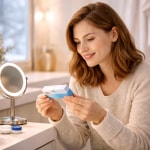
Spring is a good time to look at the small habits that creep into your daily routine. That includes the way you handle, store, and replace your contact lenses and lens gear. Contact lenses are medical devices, so even little shortcuts can raise the risk of irritation or infection when your routine starts to slip.
A quick reset does not have to be dramatic. You are mostly checking what still works, what needs to go, and what should be replaced right away. A few simple updates can make your routine feel cleaner, safer, and easier to stick with every day.
Why Your Contact Lens Hygiene Deserves A Spring Reset
It is easy to think of contact lens hygiene as just “wash your hands and move on,” but there is a bit more to it than that. Clean hands, fresh solution, a dry case, and the right wearing schedule all work together. When one part of that routine gets sloppy, the rest tends to follow.
Spring cleaning works well here because it gives you a reason to notice the habits you stopped thinking about. Maybe you have been topping off old solution, reusing a case for too long, or leaving lenses in longer than directed. Those habits can feel small in the moment, but they add up fast over time.
Contact Lens Care Tips To Keep This Spring
Some habits are worth hanging onto because they help keep your eyes more comfortable and your routine more consistent. If you already do these, keep them in place. If not, spring is a great time to start.
- Wash and dry your hands before touching your lenses. Clean fingers lower the chance of moving dirt and germs onto the lens.
- Use fresh contact lens solution every time. Old solution should be dumped out, not mixed with new solution.
- Follow the wearing and replacement schedule from your eye doctor. Daily, biweekly, and monthly lenses should not be stretched past the recommended timeline.
- Keep lenses away from water. Remove them before showering, swimming, or getting in a hot tub.
- Have backup glasses on hand. That makes it easier to give your eyes a break when they feel irritated or tired.
Contact Lens Cleaning Mistakes To Toss This Season
A lot of contact lens cleaning mistakes come from trying to save time. Sleeping in lenses that are not meant for overnight wear, rinsing them with water, or keeping yesterday’s solution in the case can all cause trouble. These are the kinds of shortcuts that feel harmless until your eyes start looking red, dry, or irritated.
Another common problem is treating discomfort like it is normal. If your lenses keep feeling scratchy, blurry, or unusually dry, do not just push through it. Take them out and check in with your eye doctor, especially if you notice redness, pain, or vision changes.
What To Keep, Toss, And Replace In Your Routine
This quick table can help you sort through your setup without overthinking it. Most of the time, the best rule is simple: keep what is clean and current, toss what is old or contaminated, and replace anything that has outlived its safe use window.
|
Item |
Keep |
Toss Or Replace |
|
Contact lens solution |
Unopened or still in date |
Old solution left sitting in the case |
|
Lens case |
Clean case in good shape |
Any case older than 3 months, cracked, or dirty |
|
Contact lenses |
Lenses being worn on schedule |
Lenses worn past the replacement date |
|
Backup glasses |
Clean, updated pair |
Broken pair you can’t rely on |
|
Travel supplies |
Fresh mini solution and clean case |
Random old bottles from past trips |
|
Eye drops |
Drops approved for contact lens wear and still in date |
Expired drops or drops not meant for use with contacts |
That same rule also helps when you are cleaning out your bathroom drawer. If you do not know how old it is, if it looks dirty, or if it is expired, it probably should not stay in your contact lens routine. Spring cleaning is really just another way of saying “stop giving old stuff another chance.”
How To Clean Contact Lens Case Step By Step
Knowing how to clean contact lens case items the right way is one of the easiest upgrades you can make. A dirty case can keep reintroducing germs even if your lenses themselves are fine. The good news is that the routine is short and easy to repeat.
- Empty the old solution right away. Do not reuse it and do not top it off with fresh solution.
- Rub and rinse the case with contact lens solution. Skip tap water, since water can carry germs that should not touch your lenses.
- Leave the case open and upside down to air-dry. Take the caps off so moisture does not get trapped inside.
- Store it in a clean, dry spot. Then start with fresh solution again when you put your lenses away later.
When To Replace Contact Lens Cases and Other Small Items
If you have been meaning to replace contact lens case gear “soon,” take this as your reminder. The CDC and the American Academy of Ophthalmology both say lens cases should be replaced regularly, and a common rule is at least once every three months. If the case looks scratched, cloudy, or grimy before that, swap it out sooner.
This is also a smart time to look at the smaller things around your routine. Check expiration dates on solution and drops, toss half-used bottles you have had forever, and make sure your backup glasses are easy to find. Those little details make it much easier to keep good habits going after the spring-cleaning mood wears off.
A spring reset for your contact lens routine does not need to be complicated. Keep the habits that protect your eyes, toss the shortcuts that make trouble, and replace the gear that should not still be hanging around. And when it is time to restock your lenses, Contacts America makes it easy to shop for the contact lenses you need and stay on track with a cleaner, healthier routine.
Frequently Asked Questions
How often should I replace my contact lens case?
You should replace your lens case at least once every three months. If you notice scratches, cloudiness, or buildup before that, swap it out right away. A worn or dirty case can reintroduce bacteria to your lenses even when everything else in your routine is clean.
Can I top off the solution in my lens case instead of emptying it?
No. Topping off old solution with fresh solution is one of the most common contact lens mistakes. It dilutes the disinfecting power of the new solution and can allow bacteria to grow. Always empty the case completely, rinse it with fresh solution, and refill it before storing your lenses.
Is it safe to rinse my contact lenses or case with tap water?
No. Tap water can carry microorganisms, including Acanthamoeba, which can cause a serious and painful eye infection. Always use contact lens solution to rinse your lenses and case. This applies to bottled water as well, which is not sterile enough for contact lens use.
What happens if I wear my contact lenses longer than the recommended schedule?
Wearing lenses past their replacement date allows protein, lipid, and mineral deposits to build up on the surface. This can make your lenses feel uncomfortable, increase your risk of infection, and reduce the amount of oxygen reaching your eyes. Stick to the schedule your eye doctor recommends, whether that is daily, biweekly, or monthly.
When should I take my contacts out and call my eye doctor?
Remove your lenses and contact your eye doctor if you experience persistent redness, pain, unusual discharge, blurry vision, or sensitivity to light. These can be signs of an infection or corneal irritation that needs prompt attention. Do not try to push through discomfort or wait to see if it goes away on its own.
Can I sleep in my contact lenses if I am really tired?
Only if your lenses are specifically approved for extended or overnight wear and your eye doctor has said it is safe for you. Most standard lenses are not designed for sleeping. Wearing them overnight reduces oxygen to your cornea and significantly raises the risk of infection, even if you have done it before without a problem.
References
Centers for Disease Control and Prevention. Healthy Contact Lens Wear and Care. https://www.cdc.gov/contactlenses/healthy-habits.html
American Academy of Ophthalmology. Contact Lens Care Systems and Solutions. https://www.aao.org/eye-health/glasses-contacts/contact-lens-care-systems-solutions
American Optometric Association. Contact Lens Care and Compliance. https://www.aoa.org/healthy-eyes/vision-and-vision-correction/contact-lenses
S Food and Drug Administration. Contact Lens Risks. https://www.fda.gov/medical-devices/contact-lenses/contact-lens-risks
Cope JR, et al. Contact Lens Wearer Demographics and Risk Behaviors for Contact Lens-Related Eye Infections. Morbidity and Mortality Weekly Report. 2015;64(32):865-870. https://www.cdc.gov/mmwr/preview/mmwrhtml/mm6432a2.htm
Related Articles
-

Eye to Eye: Decoding the Differences Between Toric and Multifocal Lenses
-

Dailies Total 1 Multifocal vs Acuvue Moist Multifocal: The Better Multifocal Contact Lens
-

Corneal Ulcers: Causes, Prevention, and Recovery
-
Breakthrough in Ocular Medicine: 3D-Printed Contact Lenses that Deliver Medication
-
Spring Allergies vs Contact Lens Dryness: What’s the Difference?