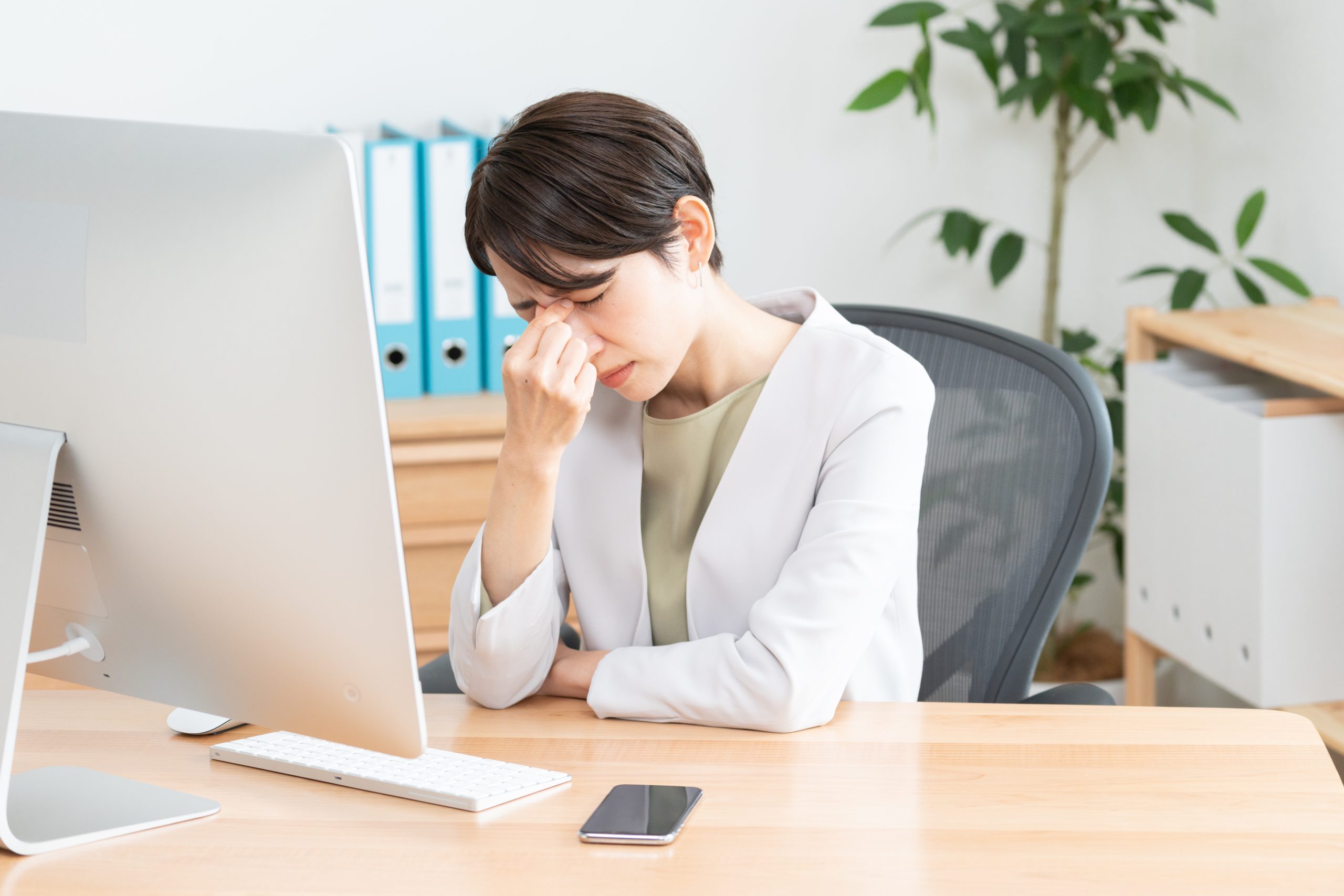
If you spend hours looking at a laptop, phone, or tablet, your eyes can start to feel tired, dry, or a little blurry by the end of the day. That is one reason the 20-20-20 rule gets mentioned so often in eye care advice. Groups like the American Academy of Ophthalmology and the American Optometric Association recommend it as a simple way to ease screen-related eye discomfort.
The rule is easy to remember. Every 20 minutes, look at something about 20 feet away for 20 seconds. It is a small habit, but it can give your eyes a break from staying locked on one near distance for too long.
What Is The 20-20-20 Rule For Digital Eye Strain?
The 20-20-20 rule for digital eye strain is meant to break up long periods of close-up focus. When you stare at a screen for a long stretch, your eyes keep doing the same near work without much variation. That can leave them feeling tired, especially when screen use becomes a daily habit.
Screen use can also lower your blink rate, which matters more than many people realize. Blinking helps spread tears across the surface of your eyes, so blinking less can leave them feeling dry and irritated. That is why short breaks can help even when the break itself only lasts a few seconds.
Does It Really Help With Eye Strain From Screens?
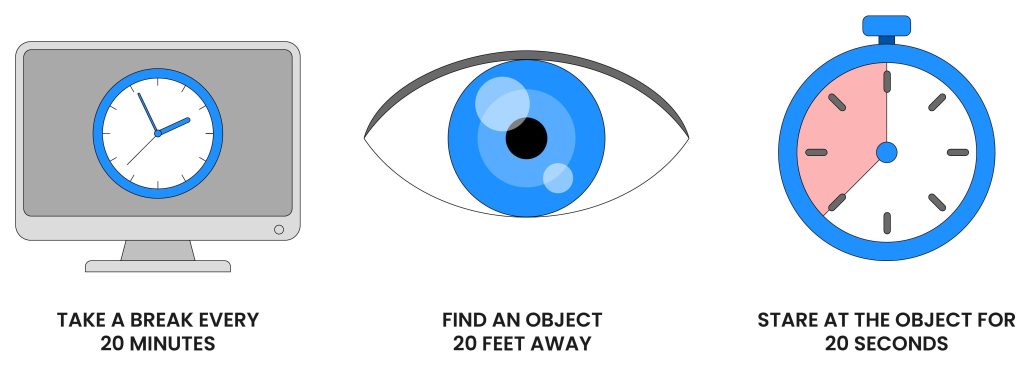
For eye strain from screens, the short answer is yes, but it helps to keep expectations realistic. The rule is widely recommended by eye care groups because regular breaks can reduce strain and give your eyes a moment to reset. Still, the exact 20-20-20 timing works more like a practical reminder than a perfect formula proven to fix every symptom in every person.
Research backs the general idea behind the rule. One study indexed in PubMed found that using the 20-20-20 rule reduced digital eye strain and dry eye symptoms, though a short study period did not show great improvement in every clinical sign. So the habit can help many people feel better, even if it is not a complete fix on its own.
Eye Strain Relief Tips To Pair With The 20-20-20 Rule
The rule works better when you combine it with other eye strain relief tips. Screen discomfort usually comes from a mix of things, not just one issue. Breaks help, but blinking, lighting, screen distance, and workstation setup also shape how your eyes feel by the end of the day.
- Blink on purpose. Screen use can reduce how often you blink, which can make your eyes feel drier.
- Keep your screen at a comfortable distance. An arm’s length is a common recommendation for easier viewing.
- Cut glare when you can. Harsh reflections can make screens harder to look at for long periods.
- Take short breaks during the day. Even brief breaks can reduce eye and body discomfort.
- Pay attention to your symptoms. If your eyes stay red, painful, or blurry, it is time to stop guessing and get checked.
20-20-20 Rule Vs. Other Fixes For Screen Time Eye Strain
The 20-20-20 rule is useful, but it is not the only way to manage screen time eye strain. Some habits help with focusing fatigue, while others target dryness, posture, or lighting. Comparing the rule with other screen habits makes it easier to see where it fits.
Using the rule as part of a broader routine usually works better than relying on it alone. If your screen is too close, your room is too bright, or your eyes are already dry, you will likely feel more relief by addressing multiple factors. That is why the rule is best seen as one helpful habit inside a bigger screen-care routine.
How To Use The 20-20-20 Rule For Dry Eyes
If dry eyes from screens keep bothering you, the rule helps most when it becomes automatic. A lot of people know about it, but they forget to do it once work gets busy. Turning it into a repeatable routine makes it much easier to stick with it every day.
- Set a timer or use a reminder app so you do not have to rely on memory alone.
- Look at something truly far away instead of just shifting to another nearby screen.
- Blink a few extra times during the break to help refresh the surface of your eyes.
- Check how your eyes feel after several days so you can tell whether the habit is helping.
This step-by-step approach matters because screen discomfort does not always come from one source. Contact lenses, low humidity, long work hours, glare, and old prescriptions can all add to the same problem. When you build the rule into your day and still feel uncomfortable, that is a sign to look at the bigger picture, too.
When The 20-20-20 Rule Is Not Enough
The 20-20-20 rule is meant for everyday strain, not for every eye problem. If you have ongoing pain, strong redness, headaches, or blurry vision that does not go away, a short screen break is probably not enough. Those symptoms deserve a proper eye exam instead of trial and error.
It is also worth getting checked if your screen discomfort keeps returning no matter what you try. Sometimes the real cause is dry eye, outdated vision correction, or another issue that needs more than better screen habits. A simple rule can still help, but it should not be the only thing you rely on when symptoms keep hanging around.
A Simple Habit Worth Keeping
So, does the 20-20-20 rule really help your eyes? For many people, yes. It gives your eyes a short break from constant near work and can make long screen days feel more manageable, especially when you pair it with better blinking, better screen setup, and regular breaks.
It is not a cure-all, but it is easy, free, and worth trying if screens are part of your daily routine. And if you wear contact lenses while working through long hours in front of a screen, Contacts America makes it easy to shop for the lenses you need and stay stocked up for more comfortable day-to-day wear. Taking care of your eyes does not have to be complicated, and small habits like this are a good place to start.
Frequently Asked Questions
References
Talens-Estarelles C, et al. (2023). The effect of breaks on digital eye strain, dry eye and binocular vision: Testing the 20-20-20 rule. Contact Lens and Anterior Eye. https://pubmed.ncbi.nlm.nih.gov/36464567/
Sheppard AL, Wolffsohn JS. (2018). Digital eye strain: prevalence, measurement and amelioration. BMJ Open Ophthalmology. https://pubmed.ncbi.nlm.nih.gov/29876462/
American Academy of Ophthalmology. Computer Eye Strain: 10 Steps for Relief. https://www.aao.org/eye-health/tips-prevention/computer-usage
American Optometric Association. Computer Vision Syndrome. https://www.aoa.org/healthy-eyes/eye-and-vision-conditions/computer-vision-syndrome
National Eye Institute. Digital Eye Strain. https://www.nei.nih.gov