Dry eye can be frustrating because symptoms do not always go away just because you started using eye drops. In many cases, the real issue is a daily habit that irritates the eyes or causes tears to evaporate too quickly. Small mistakes can add up, which is why dry eye can drag on longer than expected.
The good part is that many of these habits are easy to fix once you spot them. A better routine can help your eyes feel more comfortable during screen time, contact lens wear, and even regular day-to-day tasks. Let’s look at the common mistakes that might be getting in the way.
Dry Eye Mistakes at a Glance
Before getting into the details, here’s a quick look at the habits that often keep dry eye from getting better. This table makes it easier to identify what you’re currently doing and what to do instead.
| Mistake | Why It’s a Problem | Better Move |
| Using drops only when eyes feel very dry | Relief becomes temporary because the eyes are already irritated | Use lubricating drops on a steady routine if your doctor recommends it |
| Using redness-relief drops | These do not treat dryness and can irritate the eyes with frequent use | Choose artificial tears or lubricating drops instead |
| Too much screen time without breaks | Blinking drops during screen use, so tears evaporate faster | Take short breaks and blink fully more often |
| Wearing contacts through discomfort | Irritated eyes can get worse when lenses stay in too long | Remove lenses and switch to glasses when dryness starts |
| Skipping warm compresses or lid care | Oil glands in the eyelids can stay blocked, which makes tears less stable | Do warm compresses and lid care if your eye doctor recommends them |
| Sitting in front of fans or air conditioning | Direct airflow can dry out the eyes fast | Reduce airflow to the face and use a humidifier when needed |
Using the Wrong Eye Drops
Many people grab whatever eye drop says it helps with red eyes. The problem is that redness-relief drops are not the same as lubricating drops, and they do not really treat dry eye itself. They can make the eyes look less red for a short time, but the burning, grittiness, or irritation can persist.
Another common issue is waiting until symptoms worsen before using drops. When that happens, the eyes are already trying to recover from dryness. Using the right lubricating drops consistently can be more effective than playing catch-up later in the day.
Letting Screens and Contacts Make Things Worse
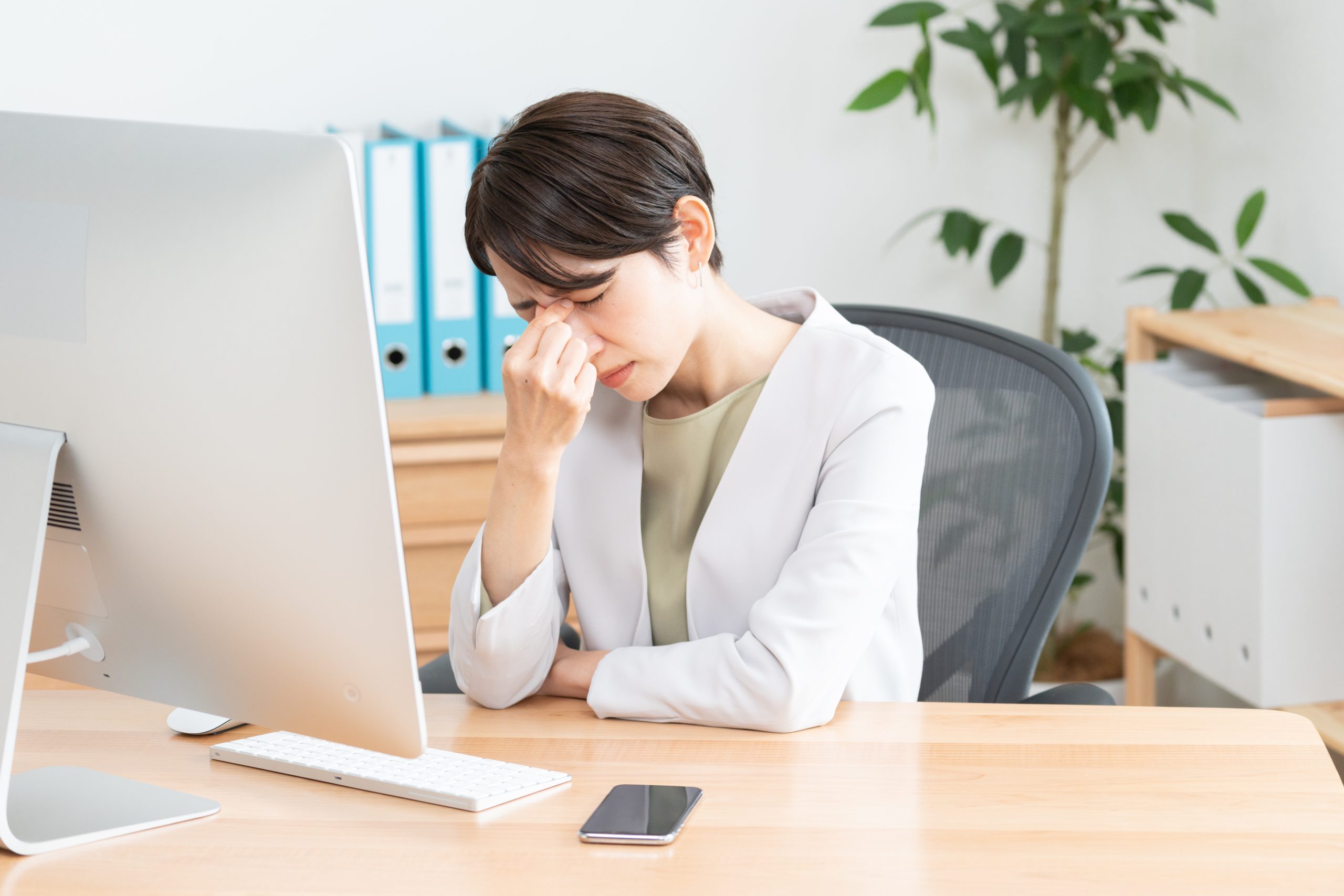
Screen time can worsen dry eye because people tend to blink less when staring at a phone, laptop, or monitor. Fewer blinks mean the tear film breaks down faster, leaving the eyes feeling dry, tired, or blurry. This is why symptoms often get worse in the afternoon after hours of work.
Contact lenses can exacerbate the problem, especially when your eyes are already irritated. Trying to push through discomfort usually does not help, and it can leave the eyes feeling worse by the end of the day. Sometimes the better move is to remove the lenses early and give your eyes a break from glasses.
Ignoring Eyelid Care and Environmental Triggers
Dry eye is not always just about needing more tears. For many people, the oil glands in the eyelids are part of the issue, and when those glands are not working well, tears can evaporate too fast. That is why warm compresses and basic lid care can help in some cases.
Your surroundings can also prolong symptoms. Fans, air conditioners, heaters, smoke, and dry indoor air can all make the eyes feel worse. Even a simple change, such as moving a fan away from your face, can make a noticeable difference over time.
Habits That Can Help Your Eyes Feel Better
A better routine does not have to be complicated. These small changes can make dry eye easier to manage and help your treatment work better.
- Use lubricating drops the right way. Keep them where you need them, such as your desk or bag, so you do not have to wait long to use them.
- Take blink breaks during screen time. Looking away for a few seconds and blinking fully can help spread moisture over the eyes.
- Give contact lenses a break when needed. If your eyes feel irritated, switch to glasses instead of forcing yourself to stay in lenses.
- Pay attention to airflow. Fans, vents, and air conditioning blowing at your face can dry your eyes out faster.
- Do not ignore ongoing symptoms. If your eyes stay uncomfortable despite home care, it may be time for a proper exam.
Frequently Asked Questions About Dry Eye Mistakes
Can dry eye make my eyes water?
Yes, it can. When the eyes get too irritated, they sometimes produce reflex tears, which can make it seem like your eyes are watery even though they are still dry underneath.
Are redness-relief drops good for dry eye?
Not usually. Those drops are made to reduce redness, not to support the tear film, so lubricating drops are often a better match for dry eye symptoms.
Should I stop wearing contacts if my eyes feel dry?
If your eyes feel irritated while wearing contacts, removing them is often the safer option. Ongoing discomfort should not be ignored, especially if accompanied by pain, blurred vision, or light sensitivity.
When should I see an eye doctor?
You should be evaluated if dry eye recurs, starts affecting daily life, or does not improve with home care. Prompt care matters more if you also have pain, strong redness, discharge, or sudden vision changes.
References
- National Eye Institute. Dry Eye. Date Accessed: March 12, 2026.
- Mayo Clinic. Dry Eyes: Diagnosis and Treatment. Date Accessed: March 12, 2026.
- American Academy of Ophthalmology. Choosing the Best Lubricant Eye Drops for Dry Eyes. Date Accessed: March 12, 2026.
- American Academy of Ophthalmology. Computers, Digital Devices, and Eye Strain. Date Accessed: March 12, 2026.
- Centers for Disease Control and Prevention. Preventing Eye Infections When Wearing Contacts. Date Accessed: March 12, 2026.
Related Articles
-

Understanding Contact Lens Prescription: Glossary, Tips, and Recommendations
-

Digital Detox Challenge: How It Improves Eye Health and How To Do It
-

How American Office Workers Can Reduce Dry Eyes From Screens and AC
-
Must-Have Checklist for Contact Lens Safety (National Healthy Vision Month)
-

Myokymia or Eye Twitching: Symptoms, Causes, and Treatment