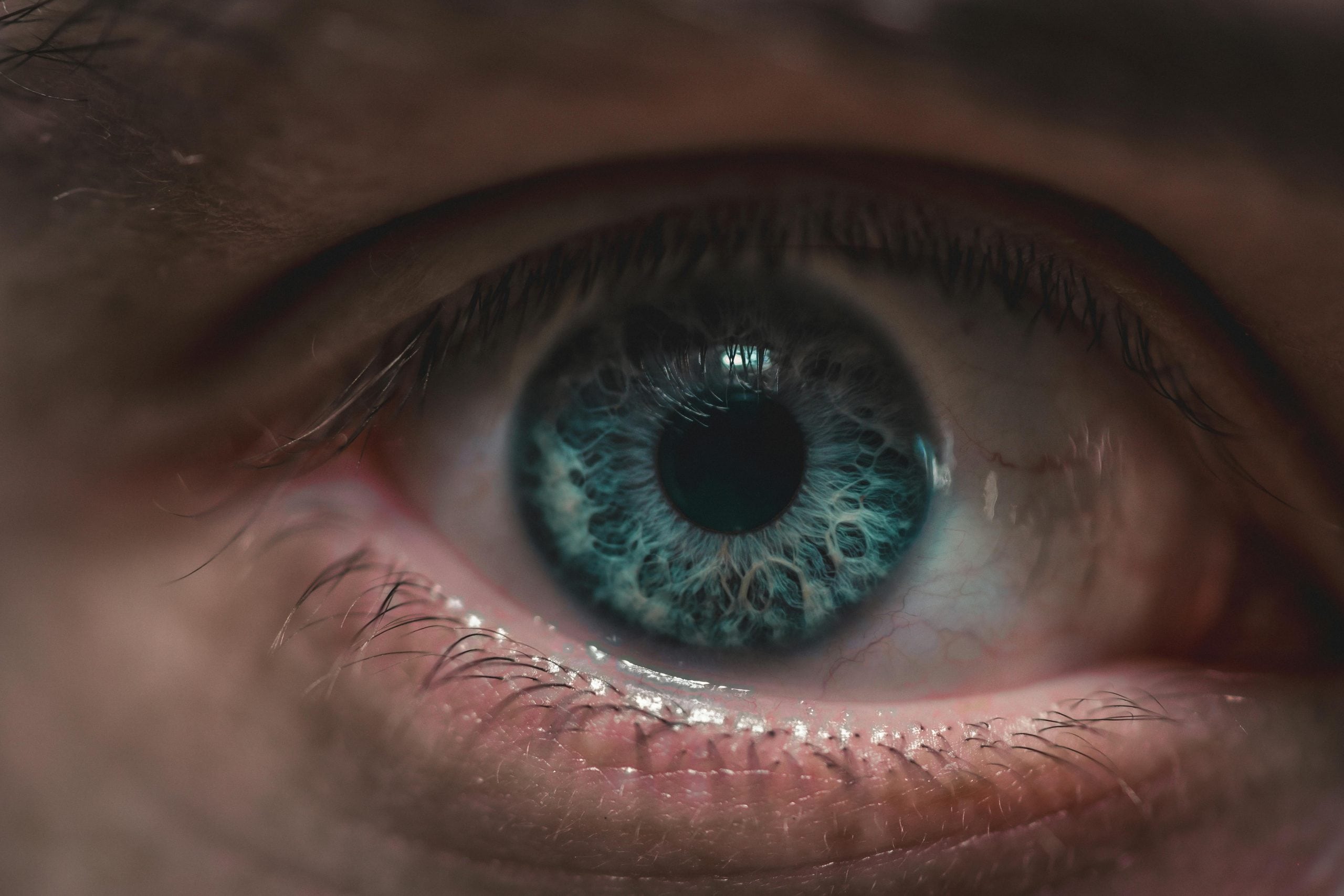
Eye twitching, medically known as myokymia, is a common phenomenon characterized by involuntary spasms or twitches in the eyelid muscles. These muscles, responsible for blinking and closing the eyelids, can sometimes contract irregularly due to various triggers or underlying factors. These twitches can range from subtle fluttering to more pronounced spasms, often occurring in the lower eyelid of one eye, although they can affect both eyes simultaneously.
While typically harmless and self-limiting, persistent or severe cases of eye twitching may require medical evaluation to rule out underlying conditions. In this article, we will dig deep into the causes and symptoms of myokymia, as well as the recommended lifestyle changes and medical treatment. Please read along.
What Are the Symptoms of Myokymia?
Symptoms of myokymia manifest as repetitive, rhythmic contractions of the eyelid muscles. Individuals may experience:
- Twitching that ranges from mild fluttering to more pronounced spasms
- Sensation of twitching without observable movement (perceived twitching)
- Increased sensitivity to light or blurred vision during twitching episodes
- Irritation or discomfort localized to the affected eyelid
These symptoms are typically transient and may last a few seconds to minutes before subsiding. While myokymia usually affects the lower eyelid, it can occasionally involve the upper eyelid or both eyelids simultaneously.
What Triggers Myokymia?
Several factors can trigger or exacerbate myokymia episodes, including:
- Stress and Fatigue: Emotional stress, lack of sleep, or physical exhaustion can increase muscle tension, contributing to eyelid twitching.
- Eye Strain: Prolonged use of digital devices, reading for extended periods, or focusing on a single point without breaks can strain the eyes and lead to myokymia.
- Stimulants: Consumption of caffeine, alcohol, or certain medications that affect the nervous system can trigger muscle spasms, including those in the eyelids.
- Dry Eyes: Insufficient tear production or environmental conditions that cause dryness can irritate the eyes and provoke twitching.
- Nutritional Factors: Deficiencies in magnesium or other essential nutrients may influence muscle function and contribute to eyelid twitching.
Identifying and managing these triggers can help reduce the frequency and intensity of myokymia episodes.
Can I Wear Contact Lenses Even If I Have Myokymia?

Yes, in most cases, wearing contact lenses is generally safe even if you have myokymia (eye twitching). However, it’s essential to consider a few factors to ensure comfort and eye health:
1. Consultation with an Optometrist: Before starting or continuing with contact lenses, especially if you experience frequent eye twitching, it’s advisable to consult with an optometrist or ophthalmologist. They can assess your eye health and ensure that wearing contact lenses won’t exacerbate any underlying conditions.
2. Comfort Considerations: Myokymia can cause temporary discomfort or sensitivity in the eyes. If you find that wearing contact lenses aggravates these symptoms, you may want to opt for glasses temporarily until the twitching subsides.
3. Hygiene and Maintenance: Proper hygiene when handling and wearing contact lenses is crucial to prevent any potential irritation or infection, especially if you experience dry eyes or irritation due to myokymia.
4. Monitoring Symptoms: Keep track of how your eyes feel while wearing contact lenses. If you notice increased discomfort, redness, or worsening twitching, remove the lenses and consult your eye care provider.
How Do I Get Rid of Myokymia?
In mild to moderate cases, myokymia resolves spontaneously without specific treatment. However, several strategies can help alleviate symptoms or shorten the duration of episodes:
- Rest and Relaxation: Prioritize adequate sleep and incorporate stress-reduction techniques such as deep breathing or meditation.
- Eye Care: Use lubricating eye drops to alleviate dryness or irritation, and practice proper eye hygiene to maintain ocular health.
- Reduce Stimulants: Limit intake of caffeine and alcohol, especially if you notice a correlation between consumption and eyelid twitching.
- Warm Compress: Apply a warm, damp cloth to the affected eyelid to relax muscles and improve blood circulation.
- Adjust Work Habits: Take regular breaks from screens or close work, and practice eye exercises to reduce strain.
In cases of chronic myokymia, your healthcare professional may recommend the following:
- Botox Injections: Injections of botulinum toxin can temporarily paralyze the affected muscle, providing relief for several months.
- Medications: Depending on the underlying cause, medications like anti-anxiety drugs or medications to address electrolyte imbalances might be prescribed.
If symptoms persist or significantly interfere with daily life, consult your eye doctor for further evaluation and guidance.
When Should I Be Worried About Eye Twitching?
While myokymia is generally benign, certain signs may warrant medical attention:
- Persistent twitching that lasts for several weeks or months despite lifestyle modifications.
- Twitching that affects both eyelids simultaneously or spreads to other facial muscles.
- Additional symptoms such as redness, swelling, discharge, or drooping of the eyelid.
- History of neurological disorders or recent facial trauma.
These signs may indicate underlying conditions that require medical diagnosis and appropriate management.
How Long Does Myokymia Last?

The duration of myokymia episodes can vary widely among individuals. In acute cases, twitching may occur sporadically for a few seconds or minutes before spontaneously resolving. Chronic myokymia, characterized by recurrent episodes over weeks or months, may require more proactive management to identify and address contributing factors. With appropriate self-care measures and lifestyle adjustments, many individuals find relief from myokymia symptoms and a gradual decrease in frequency over time.
Key Takeaway
Understanding myokymia or eye twitching involves recognizing its benign nature and common triggers such as stress, fatigue, and eye strain. While typically not serious, managing symptoms through lifestyle adjustments like stress reduction, adequate sleep, and minimizing stimulant intake can often alleviate twitching episodes.
Contact lenses are generally safe to use but should be approached with caution and legitimate prescription verification under the guidance of an eye care professional, especially if discomfort persists. Regular eye exams and prompt medical attention for persistent symptoms ensure proper diagnosis and effective management, enhancing overall eye health and comfort.
Related Articles
-

Breakthrough in Ocular Medicine: 3D-Printed Contact Lenses that Deliver Medication
-

Must-Have Checklist for Contact Lens Safety (National Healthy Vision Month)
-
5 Famous Celebrities Who Battle Dry Eye | What You Need to Know About This Disease
-

Can Contact Lens Solution Be Used as Eye Drops? Safety Risks and What to Do Now
-

Eye to Eye: Decoding the Differences Between Toric and Multifocal Lenses