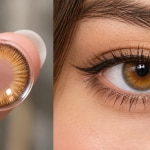
Trying contacts for the first time can feel exciting and a little intimidating. If you’re worried about discomfort, blurry moments, or doing something wrong, you’re not alone.
This user guide covers what first-time contact lens can expect in week one and the simple habits that make contacts feel comfortable fast, whether you start with daily or monthly lenses. Ready to keep it easy?
What to Expect in Your First Week (So You Don’t Panic)
A Quick Reality Check: It’s Normal To Need Practice
The first few days of wearing contact lenses are a learning curve. Even if your vision is sharp right away, the “handling” part can take a little time. Putting in contact lenses for the first time may feel awkward, and how to remove contact lenses can take longer than you expect at the start.
That’s normal. Plan a few extra minutes in the morning and at night so you’re not rushing. Most people feel much more comfortable after a handful of tries.
What Can Feel Normal At First (And Usually Improves Quickly)
During your first week, you might notice:
- Mild lens awareness, especially when you blink
- Slight watering right after insertion
- Brief blur that clears after a few blinks
- A “dry” feeling later in the day, especially in air-conditioned rooms
If you’re adjusting from glasses, your eyes may also feel a bit tired because you’re focusing differently. If your eye doctor mentioned contact fitting details during your contact exam, trust that the lens is designed to sit comfortably once your eyes adapt.
What’s Not Normal (Take The Lens Out And Pause)
Some symptoms should not be pushed through. Remove your lens and switch to glasses if you have:
- Sharp pain or burning that doesn’t improve
- Redness that gets worse over time
- New light sensitivity
- Thick discharge
- Vision that stays blurry even after re-inserting the lens
If any of these happen, stop wearing your contacts and contact your eye doctor for guidance. This is part of wearing lenses safely, not overreacting.
Start Slow With Wear Time (Your Eyes Will Thank You)
A common mistake with first time contact lenses is going “all day” immediately. Your eye doctor may recommend building up wear time gradually, especially if you’re prone to dryness or you’re trying dry eye contacts options.
A simple approach:
- Day 1–2: wear for a few hours, then switch to glasses
- Day 3–4: add a little more time if you feel comfortable
- Day 5–7: work toward your normal schedule
If you’re in a dry environment, take breaks and blink more intentionally. Comfort often improves when your eyes aren’t stressed.
Your Vision Should Feel Clear (But Small Fluctuations Can Happen)
Your vision should be mostly crisp with properly fitted lenses. Still, minor blur can happen if:
- The lens isn’t centered yet
- The lens is inside out
- There’s a tiny piece of lint or makeup on it
- Your eyes are dry
If vision doesn’t clear after blinking, remove the lens, inspect it, and reinsert it. (We’ll cover how to put in contact lenses and how to take out contact lenses step-by-step in the next section.)
The “Nap Risk” Question Everyone Asks
Yes, can you sleep in contact lenses is a real concern. Unless your eye doctor specifically prescribed lenses for overnight wear, sleeping in them increases the chance of irritation and infection. If you accidentally doze off, remove them as soon as you wake up, wear glasses for the rest of the day if possible, and pay attention to redness or pain.
Your Contact Lens Starter Kit (What You Need)
Starting contact lenses is much easier when your setup is ready before you open the blister pack. This isn’t about buying a ton of extras. It’s about having the right basics so your first week feels smooth, clean, and stress-free.
The Essentials (Everyone Should Have These)
- Your prescribed contact lenses – make sure your brand, power, and fit match what your eye doctor prescribed after your contact exam and contact fitting.
- Backup glasses – you’ll want a reliable pair for breaks, dry days, or if your eyes feel tired while adjusting.
- Clean hands setup – use mild soap and water and dry with a lint-free towel. Clean hands are the foundation of safe contact care.
- A mirror and good lighting – especially helpful for putting in contact lenses for the first time.
If You Wear Reusables (Bi-Weekly Or Monthly)
If you’re using monthly contacts (or any reusable lens), add these to your kit:
- Fresh lens solution (doctor-recommended) – use the solution that matches your lens type and your doctor’s instructions. Avoid “topping off” old liquid in the case and always use fresh solution.
- A clean lens case – your case matters more than most people think. It should be clean, dry between uses, and replaced regularly (a good rule is every 1–3 months, or sooner if it looks worn).
- A simple routine you can stick to – reusable lenses are great, but they only stay comfortable when cleaning becomes automatic.
If You Wear Daily Disposables
With daily contacts, you can skip cleaning products, which is why many first-timers love them.
Still, it helps to have:
- A few extra pairs for “just in case”
- Backup glasses
- A small travel pouch (mirror, tissues, hand sanitizer for before washing hands—not as a replacement)
Quick Starter Checklist (Before You Leave The House)
- Lenses feel comfortable and clear
- Backup glasses are accessible
- If reusables: lens case and fresh lens solution are at home and clean
- You know when you’ll remove your lenses later
How to Put In Contacts (Step-by-Step)
If you’re nervous about contact lens insertion, that’s normal. Stay calm and gentle, give yourself a few extra minutes, and it gets easier fast.
1. Wash and dry your hands
Wash with soap and water, then dry with a lint-free towel to keep lint and oils off your contact lenses. Avoid lotion or oily soaps right before handling lenses because residue can cause blur and discomfort.
2. Start with the same eye every time
Choose a habit (right eye first or left eye first) and stick to it. This prevents mix-ups, especially if each eye has a different prescription from your contact exam.
3. Check the lens before it touches your eye
Place the lens on your fingertip and make sure it looks clean, smooth, and undamaged. If the edges flare outward like a saucer, it may be inside out, flip it and recheck, because this is a common issue when putting in contact lenses for the first time.
4. Hold your eyelids steady
Use your non-dominant hand to hold your upper lid at the lash line and your other hand to pull down the lower lid. Keeping your lids steady helps you avoid blinking at the wrong moment and makes how to put in contact lenses much easier.
5. Place the lens gently on your eye
Look straight ahead or slightly upward and set the lens softly on the colored part of your eye without forcing it. Release your lower lid first, then the upper lid, and blink slowly so the lens can settle into place.
6. Check comfort and clarity
Your vision should clear quickly once the lens centers. If it stays blurry or feels scratchy, remove the lens, inspect it for lint or damage, rinse with fresh lens solution if it’s reusable, then reinsert or switch to a fresh lens.
7. Repeat for the other eye
Follow the same routine and keep movements gentle and controlled. With a few days of practice, inserting contacts becomes a quick, confident habit.
Beginner Tips That Make Insertion Easier
These beginner tips for wearing contacts for the first time can save you frustration:
- Keep your fingertip dry so the lens doesn’t slide off early
- Don’t squeeze your eyelids shut and hold them steady
- Avoid windy rooms or fans while inserting lenses
- If your eyes water a lot, pause and try again after a minute
How to Remove Contacts (Step-by-Step)
If insertion feels tricky at first, contact lens removal can feel even more intimidating. The good news is it becomes automatic once you learn the “gentle + steady” routine. Give yourself a calm minute, use a mirror, and don’t rush.
1. Wash and dry your hands
Clean hands are the foundation of safe contact care and make removing contact lenses much easier. Wash with soap and water, then dry with a lint-free towel so you don’t transfer lint or oils onto the lens.
2. Check that the lens is centered
Blink normally and look in the mirror to make sure the lens is sitting on your eye. If it feels slightly off, look toward the opposite direction and blink to help it re-center before you touch it.
3. Hold your eyelids steady
Use your non-dominant hand to hold your upper lid at the lash line and your other hand to pull down the lower lid. This reduces blinking and gives you a clearer view, which helps when learning how to take out contact lenses.
4. Slide the lens down to the white of your eye
Touch the lens gently with the pad of your finger and slide it down off the colored part of your eye. This makes removal more comfortable and lowers the chance you’ll pinch too close to the cornea.
5. Pinch gently and remove the lens
Once the lens is on the white of the eye, pinch it softly between your thumb and index finger and lift it away. Keep pressure light and avoid using your nails, especially during early contact lens removal practice.
6. Do the right “after-removal” routine (daily vs reusable)
If you wear daily contacts or daily contact lenses, discard them right away after removal. If you wear monthly contact lenses, clean and store them using fresh lens solution in a clean lens case so they stay comfortable and safe.
This is the foundation of how to clean contact lenses correctly with fresh solution every time, and no shortcuts.
If The Lens Feels “Stuck,” Do This (Don’t Panic)
A lens can feel stuck when your eyes are dry, especially after long screen time or winter heating. If you’re struggling with dry eye contacts comfort, it can happen more often.
Try this:
- Blink a few times and look around slowly
- Use contact-safe rewetting drops (ask your eye doctor what’s safe)
- Wait 1–2 minutes, then try again
- Slide the lens down to the white of the eye and pinch gently
Do not dig with your nail or rub aggressively. If you still can’t remove it, switch to glasses, take a break, and contact your eye doctor for guidance.
The Safety Rules That Prevent Most Problems
Most contact lenses problems in week one come from rushing, skipping hygiene, or wearing lenses when something feels off. These safety rules help keep your eyes comfortable whether you wear daily contacts, monthly contact lenses, or toric contacts:
Clean Hands Every Time (Before You Touch Your Eyes)
This is your #1 safety habit for contact care:
- Wash with soap and water
- Dry with a lint-free towel
- Avoid lotions or oily products before handling lenses
If you only commit to one rule, make it this one.
Always Use The Right Products (And Use Them Correctly)
If you wear reusable lenses, use a doctor-recommended lens solution and follow the instructions on the bottle.
Avoid these common mistakes:
- Topping off old solution instead of replacing it
- Reusing the same solution from last night
- Rinsing lenses or your lens case with tap water
- Using saliva (never)
Fresh solution and clean storage are what keep reusable lenses comfortable day after day.
Keep Water Away From Lenses (Shower, Pool, Hot Tub)
Water and contact lenses don’t mix. Keep lenses out of showers, pools, hot tubs, and lakes to lower the risk of irritation and infection.
Avoid these common mistakes:
- Showering with contacts in
- Swimming with lenses (even “just for a minute”)
- Rinsing lenses or your lens case with tap water
- Storing lenses in water or saline that isn’t meant for disinfecting
If your lenses come into contact with water, remove them as soon as you can and switch to a fresh pair or clean and disinfect reusable lenses with lens solution.
Don’t “Earn Extra Hours” In Your Lenses
It’s tempting to wear lenses longer because they still feel “okay,” but overwearing is a common cause of dryness, redness, and discomfort.
If you notice dryness often, you may benefit from:
- Shorter wear time
- More glasses breaks
- Talking with your eye doctor about lenses designed for comfort, including options that can help contacts for dry eyes
Unless Your Eye Doctor Says Otherwise, Don’t Sleep In Lenses
Many new wearers ask can you sleep in contact lenses. For most people, the safest habit is to remove your lenses before sleeping unless your eye doctor specifically prescribed an overnight lens.
If you accidentally nap in them:
- Remove the lenses as soon as you’re awake
- Wear glasses for the rest of the day if possible
- Watch for redness, pain, or blurry vision that doesn’t improve
Follow Your Replacement Schedule (And Don’t Stretch It)
Your lens schedule is part of safe contact care. Wearing lenses past their recommended time can lead to dryness, buildup, and discomfort.
Avoid these common mistakes:
- Extending daily contacts for more than one day
- Stretching monthly contact lenses beyond the replacement date
- Trying to “make it work” when lenses feel dry or hazy
- Forgetting when you opened a new pair
- Using lenses past their expiration date (yes, do contact lenses expire)
Fresh lenses stay more comfortable and clearer, so replacing on time helps you avoid unnecessary irritation and last-minute emergencies.
Pay Attention To Warning Signs (And Stop Early)
Remove your lenses and switch to glasses if you have:
- Increasing pain or burning
- Redness that worsens
- Light sensitivity
- Discharge
- Vision changes that don’t clear
If symptoms don’t improve, contact your eye doctor. Being cautious protects your eyes and helps you keep wearing contacts comfortably long-term.
First-Week Issues (Quick Fixes That Actually Help)
Your first week with contact lenses can come with a few small hiccups, and most are easy to handle. Use the quick fixes below, and remember this rule: discomfort should improve, not get worse.
Blurry vision right after you put lenses in
A little blur right after insertion can happen while the lens centers, but it should clear quickly.
Try this first
- Blink a few times and give it a moment to settle
- Check the lens is not inside out
- Remove the lens and inspect for lint or debris
- If it is a daily disposable, use a fresh lens
- If it is a reusable lens, clean and disinfect it as directed before reinserting
Get help if blur does not clear, especially if it comes with redness, pain, or light sensitivity.
Dry, tired eyes, or “I can feel the lens”
Mild lens awareness can be normal early on. Dryness usually means your eyes need a break.
Try this
- Shorten wear time that day and build up gradually
- Take screen breaks and blink more often
- Use rewetting drops labeled safe for contact lenses
If dryness keeps happening, ask your eye doctor if a different lens option is better for you
Scratchy or gritty feeling
This often comes from debris, buildup, or a tiny tear.
Do this now
- Remove the lens immediately
- Inspect it closely for damage
- If it is torn or nicked, discard it
- If it is reusable and looks intact, clean and disinfect it before wearing again
Do not keep wearing a lens that still feels scratchy after cleaning.
Redness after wearing contacts
A little redness after a long day can happen, but worsening redness is a sign to stop.
Try this
- Remove your lenses and give your eyes a break
- Switch to your backup pair of lenses only when your eyes feel normal again
Call your eye doctor promptly if redness comes with pain, light sensitivity, discharge, or lasting blurry vision.
Trouble removing lenses or a “stuck” lens
This is common when you are learning, especially if your eyes are dry.
Try this step by step
- Wash and dry your hands
- Add contact safe rewetting drops and wait 30 to 60 seconds
- Look up and slide the lens down to the white of your eye
- Gently pinch the lens using your fingertips, not your nails
Avoid rubbing aggressively or digging at the lens.
Worried the lens went behind your eye
It can shift under your eyelid, but it cannot disappear behind your eye.
Try this
- Blink slowly and look side to side
- Gently lift the upper lid and check the inner corner
If you still cannot find it or your eye feels irritated, contact your eye doctor for help
When To Stop and Get Help Right Away
Remove your lenses and contact an eye doctor if you have pain, significant redness, light sensitivity, discharge, or sudden vision changes.
Choosing a Beginner-Friendly Lens Type (So It Fits Your Life)
The best way to enjoy first time contact lenses is choosing a lens type that fits both your routine and your prescription. Your eye doctor’s contact exam and contact fitting confirm what’s safe for your eyes, and the options below help you pick what’s easiest to stick with.
Daily Lenses (simple and low-maintenance)
Daily contact lenses are beginner-friendly because you wear a fresh pair each day and skip cleaning and storage. If you want the simplest start, daily contacts make it easier to stay comfortable and consistent.
Monthly Lenses (great if you’ll follow a routine)
Monthly contact lenses work well if you wear lenses most days and don’t mind nightly cleaning. They’re a good fit when you’re consistent with contact care, including fresh lens solution and a clean lens case.
Toric Lenses (for stable vision with astigmatism)
If your prescription includes astigmatism, you’ll likely need astigmatism contacts like toric contact lens that are designed to stay in the correct position. If your vision goes clear then blurry, mention it at your follow-up since fit and stability can often be improved.
Multifocal Lenses (for near and far vision needs)
If reading feels harder than it used to, multifocal contact lens can help you see at multiple distances without constantly switching to glasses. Your eye doctor can confirm if multifocals are right for you or if another option will work better.
Colored Lenses (cosmetic change, done safely)
Colored contact lens can be safe when they’re prescribed and properly fitted like any other lens. The safest approach is to get the right prescription first, then choose a color that matches your comfort needs and wear schedule.
Your First Contacts Don’t Have to Feel Complicated
Starting first time contacts is mostly about building a routine you can repeat. Once you know what’s normal in week one, keep your supplies ready, and stay consistent with safe contact care, wearing contact lenses quickly becomes easy and comfortable. If you want to learn more, check out our guides on sleeping in contacts, colored contacts safety, corneal ulcers, and seasonal wear tips like winter conditions.
Ready for first-time contacts? Order before you run low so you don’t get stuck waiting or stretching an old pair. Shop prescription contact lens at Contacts America and choose what fits you.
First-Time Contact Lenses FAQs
1. How do I start using contact lenses for the first time?
Start with a current contact exam and proper contact fitting so the lenses match your eyes and prescription. On day one, wash and dry your hands, insert one lens at a time, and give yourself extra time so you are not rushing. Follow your eye doctor’s wear schedule and stop if you feel pain, worsening redness, or vision changes.
2. What should I expect when wearing contact lenses for the first time?
It is normal to feel mild lens awareness, watery eyes, or brief blur while the lens centers during the first few days. Most beginners adjust quickly as they practice handling and build wear time gradually. Sharp pain, persistent redness, discharge, or blurry vision that does not clear is not normal and needs a pause in lens wear and guidance from your eye doctor.
3. How many hours should I wear contact lenses for the first time?
Many new wearers start with a shorter wear period and gradually increase based on comfort and their eye doctor’s instructions. Your recommended hours depend on your lens type and how your eyes respond, so follow the schedule you were given at your fitting. If your eyes feel dry or irritated, remove the lenses earlier and switch to glasses.
4. How do beginners take care of contact lenses?
Always wash and dry your hands before handling lenses and follow the cleaning and storage directions for your specific lens and lens solution. If you wear reusable lenses, use fresh solution each time, store them in a clean lens case, and do not rinse lenses or the case with tap water. Replace lenses on schedule and replace the case regularly so buildup does not lead to irritation.
5. How do I remove contact lenses for the first time?
Wash and dry your hands, hold your eyelids steady, slide the lens down to the white of your eye, then pinch gently and remove it. If the lens feels stuck, your eyes are likely dry, so use contact safe rewetting drops if approved and wait a minute before trying again. Do not dig with your nails or force removal, and contact your eye doctor if you cannot remove the lens safely.
Disclaimer: This content is for general informational purposes only and is not a substitute for professional advice, diagnosis, or treatment.
References
- “Preventing Eye Infections When Wearing Contacts.” Centers for Disease Control and Prevention (CDC). https://www.cdc.gov/contact-lenses/prevention/index.html. Published May 27, 2025.
- “Contact Lens Care.” U.S. Food and Drug Administration (FDA) Office of Women’s Health. https://www.fda.gov/consumers/womens-health-topics/contact-lens-care. Content current as of Jan 19, 2018.
- “Contact Lenses.” National Eye Institute (NEI), National Institutes of Health (NIH). https://www.nei.nih.gov/eye-health-information/healthy-vision/contact-lenses. Last updated Dec 5, 2024.
- “Clinical Overview of Acanthamoeba Keratitis.” Centers for Disease Control and Prevention (CDC). https://www.cdc.gov/acanthamoeba/hcp/clinical-overview-acanthamoeba-keratitis/index.html. Published Mar 27, 2025.
- “Contact lens care tips for patients: an optometrist’s perspective.” PubMed Central (NCBI), National Library of Medicine. https://pmc.ncbi.nlm.nih.gov/articles/PMC6118862/. Published Aug 11, 2017.
Related Articles
-
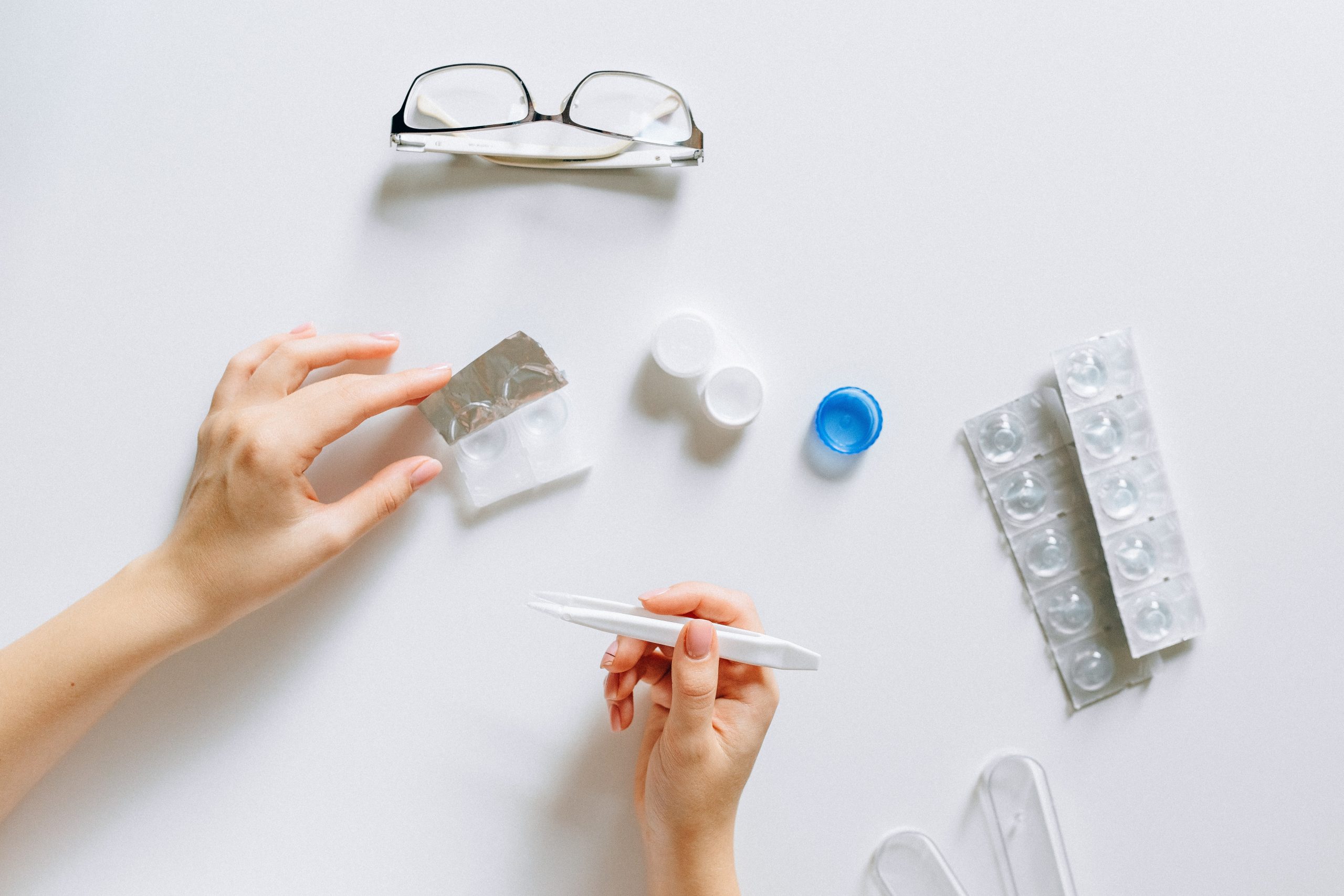
Contact Lens Care Guide For Beginners
-

Women’s Contact Lens Trends 2026 and What They Mean for Eye Health Habits
-

Mila Kunis And Chronic Iritis: When A Red Eye Is More Than Irritation
-

Stephen Curry’s 3Cs: Contact Lenses, Career Stats, & Championships
-
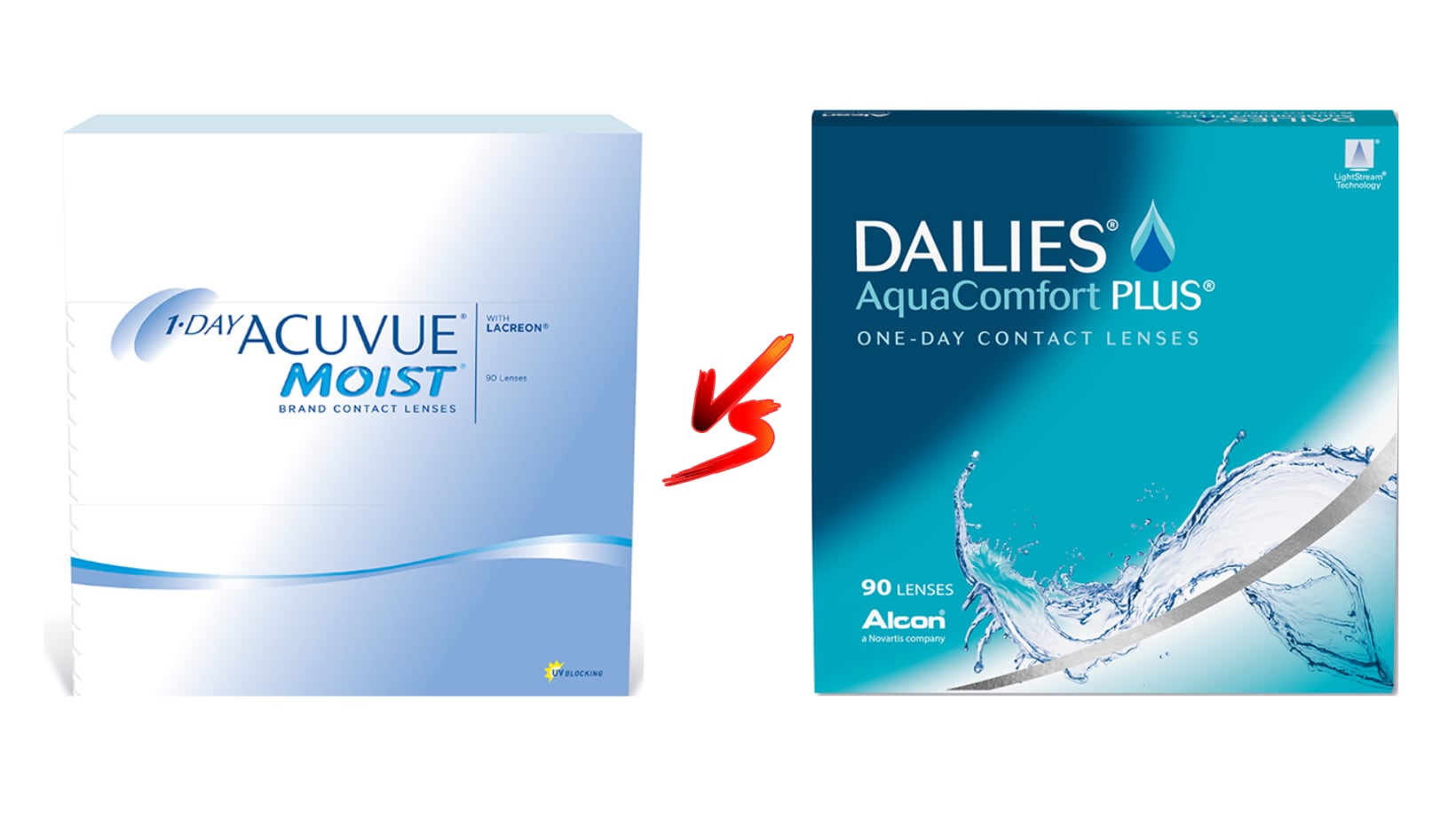
1-Day Acuvue Moist vs. Dailies Aquacomfort Plus: Which Reigns Supreme?