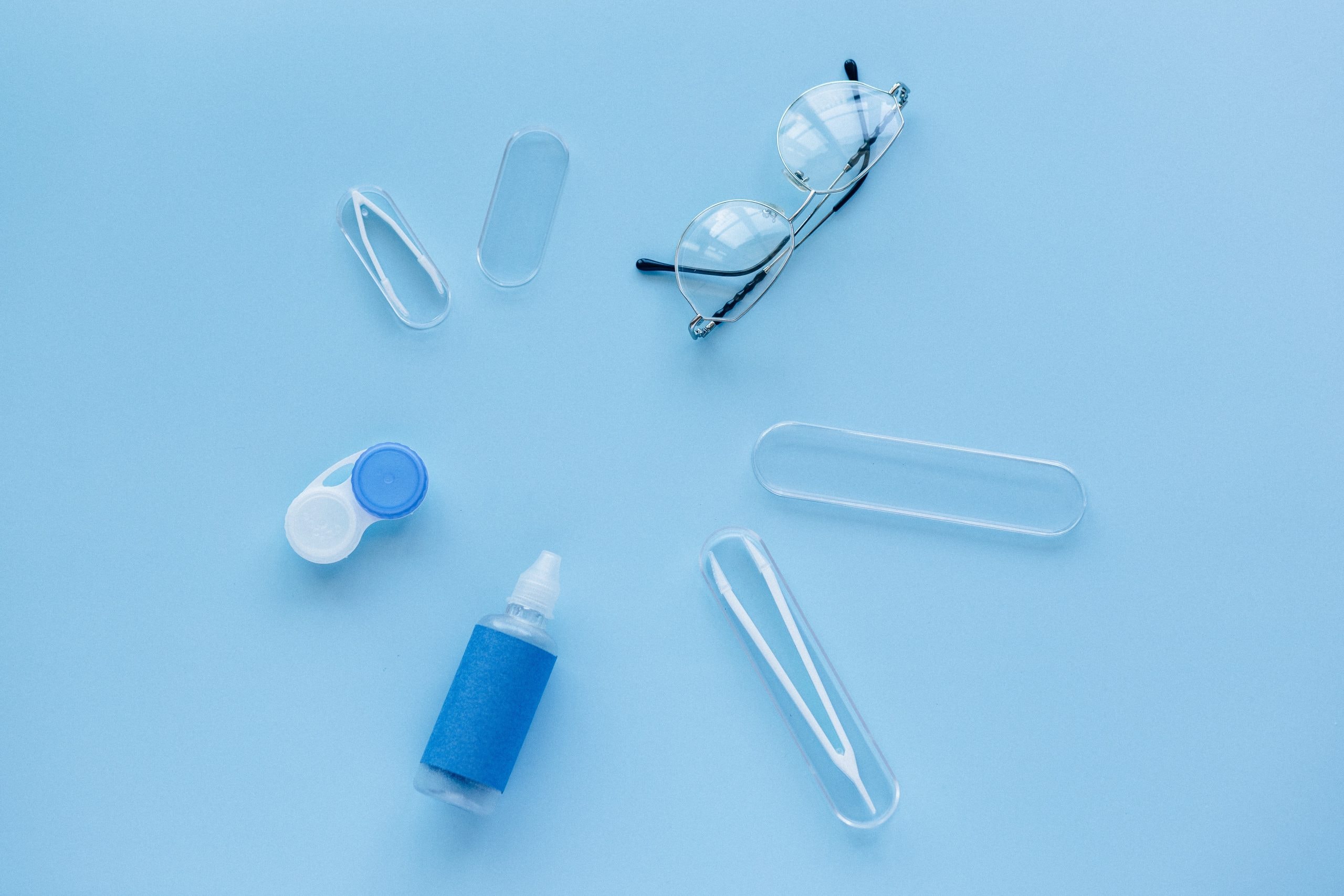
The beginning of a new year has a way of putting daily habits under a spotlight. Things you’ve been brushing off suddenly feel harder to ignore. For contact lens wearers, this awareness often manifests as subtle discomfort. Lenses that feel dry sooner than expected. Eyes that look tired by midafternoon. A sense that something feels off, even if you can’t pinpoint exactly why.
For many people, these early signs prompt a search for the best contacts for sensitive eyes, especially when irritation becomes more noticeable during winter.
These changes rarely come from a single mistake. More often, they build slowly over time. A rushed morning here. A late night there. Small shortcuts that may seem harmless in the moment but can quietly impact eye comfort. The start of the year is a good time to pause, take stock, and reset your approach to caring for your contact lenses before those habits carry into the months ahead.
Reset Step 1: Understand Why January Is the Right Moment
January places unique demands on your eyes. Cold outdoor air and dry indoor heating reduce moisture, while increased screen time limits how often you blink. These conditions don’t just cause discomfort on their own. They expose habits that may have been working fine before, but no longer hold up under added strain.
Resetting your routine now helps you separate temporary seasonal effects from habits that need adjusting. This is especially helpful for individuals who experience recurring irritation or are actively seeking the best contacts for sensitive eyes. When your routine is consistent, it becomes easier to tell whether discomfort comes from environment, wear time, or lens choice rather than guessing.
Reset Step 2: Take an Honest Look at Your Daily Patterns
Before making changes, it’s worth paying attention to how your eyes actually feel throughout the day. Notice when discomfort begins and what you’re doing at that moment. Some people feel dryness after hours at a screen. Others notice irritation late in the evening or after commuting outdoors in cold air. These patterns offer valuable insight.
Think about how often you stretch wear time, rush through handwashing, or rely on supplies that have been sitting around longer than intended. These habits are common and understandable. The goal here isn’t to assign blame. It’s to recognize what’s happening so adjustments can be targeted instead of random.
Reset Step 3: Simplify Your Contact Lens Care Routine
The most effective routines are the ones that feel manageable. Overly complicated care plans tend to fall apart during busy days. Comfort improves when your routine focuses on consistency rather than perfection.
At its core, a healthy contact lens routine depends on a few non-negotiables:
- Washing and fully drying hands before handling lenses
- Putting lenses in before makeup and removing them before washing your face
- Following recommended wear times, even on long days
When these steps become automatic, many common irritation issues start to fade without extra effort.
Reset Step 4: Rethink How Long You Wear Your Contacts Each Day
Winter often leads to longer wear without realizing it. Short daylight hours and extended screen use reduce blinking and dry the eyes more quickly. Many people respond by pushing through discomfort, assuming it’s normal. Over time, that approach usually makes symptoms worse.
Giving your eyes regular breaks can make a noticeable difference. Removing lenses earlier in the evening, switching to glasses at home, or planning contact-free days during the week allows the eyes to recover. Wearing contacts less is not a setback. It’s often the adjustment that restores comfort.
Reset Step 5: Refresh Supplies and Reevaluate Lens Fit
Old lens cases, expired solution, or backup lenses kept longer than recommended can quietly undermine good habits. Replacing supplies at the start of the year removes unnecessary risk and supports better eye comfort.
This is also a good moment to reflect on whether your lenses still suit your needs. Lifestyle changes, increased sensitivity, or seasonal dryness can affect how lenses feel. For some wearers, especially those seeking the best contacts for sensitive eyes, a conversation with an eye doctor about fit or lens options can make a meaningful difference rather than continuing to tolerate discomfort.
Carry the Reset Forward Into the Rest of the Year
A successful reset doesn’t require dramatic changes. It works best when adjustments feel realistic and sustainable. Paying attention early, responding to discomfort instead of ignoring it, and keeping routines simple help prevent small issues from turning into persistent problems.
Starting 2026 with better contact lens habits sets a foundation that supports comfort long after January ends. When your routine works with your eyes instead of against them, contact lenses become easier to wear and more reliable throughout the year.