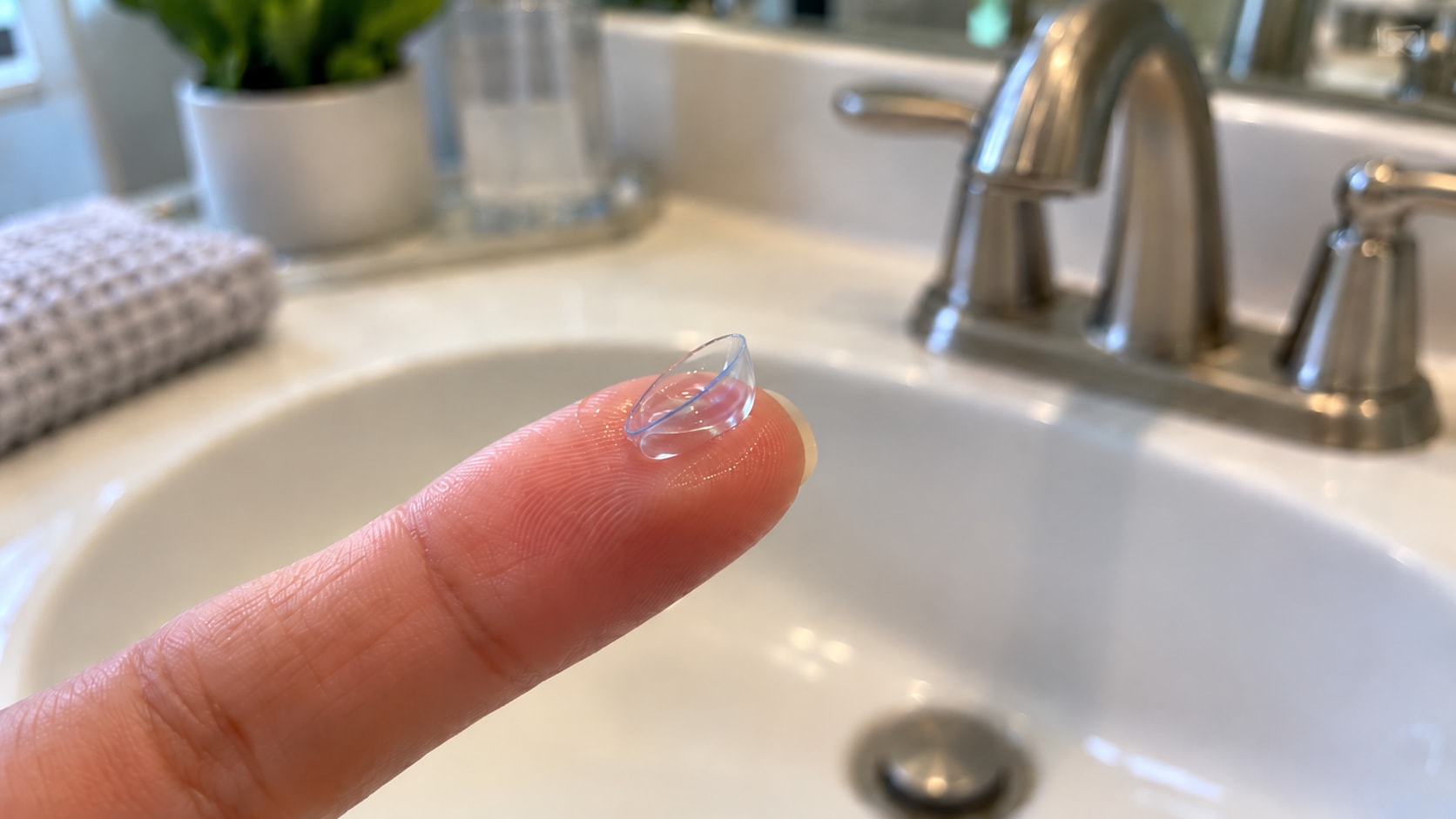
Contact lenses are designed to stay centered over your cornea while moving slightly with each blink. This small amount of movement helps the tear film circulate beneath the lenses and keeps them comfortable throughout the day. However, contacts can sometimes shift out of position, fold under the eyelid, or even pop out unexpectedly. These problems can happen during everyday activities, from rubbing your eyes to playing sports.
An occasional displaced lens isn’t always a cause for concern, but repeated movement or discomfort may point to an improper fit, dry eyes, or problems with the lens itself. Knowing what causes contact lenses to move, fold, or fall out can help you recognize when a simple adjustment may help and when it’s time to consult your eye doctor.
Why Do Contact Lenses Move Around or Slip Out of Place?
Contact lenses can shift out of position when they don’t fit properly or when the tear film isn’t stable enough to support smooth movement. A lens that’s too loose may slide excessively with each blink, while one that’s too tight may not move enough and can cause discomfort. Dry eyes can also affect how the lens interacts with the eye’s surface, making it more likely to stick or move unevenly. Frequent blinking, especially forceful blinking, and rubbing your eyes can further disturb the lens and push it away from its usual position.
The fit of a contact lens depends partly on its diameter and base curve, which determine its size and curvature. These measurements must work with the shape of your eye to keep the lens properly positioned. A small amount of movement during blinking is normal, but a lens that repeatedly slides off-center, causes fluctuating vision, or feels like it’s about to fall out may need professional evaluation. Your eye doctor can check the fit, assess your tear film, and determine whether a different lens design or material would be more suitable.
What Causes Contact Lenses to Fold or Pop Out?
Soft contact lenses are thin and pliable, so they can sometimes fold over or slip out of place when they’re handled incorrectly or don’t sit properly on the eye. A lens that isn’t fully centered during insertion may crease or shift when you blink, while dry eyes can cause the lens to stick to the eyelid or move unevenly. Poor lens fit can also make contacts more likely to become dislodged, especially during activities involving sudden movements, strong winds, or accidental contact with the eyes. Rubbing your eyes or wiping away sweat during exercise may also push a lens out of position or cause it to fall out.
A folded contact lens can occasionally become trapped beneath the upper eyelid, making it feel like something is stuck in your eye. However, a contact lens can’t travel behind your eyeball. A thin membrane called the conjunctiva connects the inner eyelids to the surface of the eye, preventing the lens from moving into the space behind it. A displaced lens may be difficult to locate, but it remains within the accessible area of the eye. Avoid rubbing or digging around to retrieve it, and contact your eye doctor if you can’t remove it safely or continue to feel discomfort.
Use a Mirror to Locate Your Lens
Look in a well-lit mirror and gently move your eyes in different directions to help locate a displaced lens without rubbing or pressing on your eye.
How Can You Keep Contact Lenses From Moving or Falling Out?
A few simple habits can help keep your contact lenses properly positioned and reduce the chances of unexpected movement. Here’s what you can do to prevent slipping, folding, or falling out.
- Insert your lenses correctly. Wash and dry your hands before handling your contacts. Check that each lens is clean, undamaged, and facing the right direction, then gently center it on your eye.
- Keep your eyes hydrated. Use contact lens-compatible lubricating drops when needed to relieve dryness that may interfere with normal lens movement.
- Avoid rubbing your eyes. Rubbing can push a contact lens out of position, fold it beneath your eyelid, or cause it to fall out.
- Follow your replacement schedule. Replace your contacts as prescribed, and avoid wearing damaged or worn-out lenses that may cause discomfort.
- Remove lenses that repeatedly shift. Take out a lens that keeps moving, folding, or falling out. Check for damage and switch to your backup glasses rather than repeatedly repositioning it.
- Know when to contact your eye doctor. Persistent slipping or discomfort may require a professional fitting assessment. Seek prompt eye care if you develop pain, persistent redness, light sensitivity, or sudden vision changes.
Eye Care Checklist
These precautions can help reduce unnecessary lens movement, but contacts that regularly slip or fall out shouldn’t be ignored. Your eye doctor can assess whether your current lenses are suitable for your eyes and recommend any necessary adjustments.
Keep Your Contact Lenses Comfortable and Secure
Slight contact lens movement during blinking is normal, but frequent shifting, folding, or falling out may indicate an underlying problem with lens fit or eye comfort. Proper insertion, regular lens care, and following your prescribed replacement schedule can help prevent these issues. When problems continue despite these precautions, consult your eye doctor to identify the cause and keep your contact lenses comfortable and secure.
Related Articles
-

How to Clean Your Contact Case Correctly (And When to Replace It)
-

Halloween Contact Lens Do’s and Don’ts Every Wearer Should Know
-
1-Day Acuvue Moist vs. Dailies Aquacomfort Plus: Which Reigns Supreme?
-
Must-Have Checklist for Contact Lens Safety (National Healthy Vision Month)
-

US Truck Drivers’ Guide to the Best Contact Lenses for Night Driving