Ever notice how you can get sunburned on a day that feels cool or cloudy? The same thing can happen to your eyes. UV exposure still reaches you in overcast weather and it can bounce off water, sand, snow, and even pavement, which is why eye protection is not just a beach thing.
That is where UV-blocking contact lenses come in. They can add an extra layer of protection, but they do not work like sunglasses, and they do not protect every part of your eye area.
Can UV-Blocking Contacts Replace Sunglasses
- UV contacts can help reduce UVA and UVB that enters through the lens area, which may support eye protection during everyday outdoor time.
- They do not protect your whole eye area. Your eyelids, the skin around your eyes, and parts of the eye that are not covered by the lens still get UV exposure.
- The simple rule: treat contacts with UV protection as a backup layer, then wear sunglasses over them for full coverage and comfort.
- Sunglasses also help with wind, dust, and dry air, which is a big deal for comfort when you are outdoors.
- For bright days, driving, or time near water, choose sunglasses that block UV and fit close to your face. Polarized lenses can reduce glare, but glare control is separate from UV blocking.
- If you are doing long outdoor activities, add a hat or visor too. It helps reduce UV that comes from above and around you.
UV 101: UVA vs UVB Protection
You can think of UV light as “invisible sunlight” that still reaches your eyes even when it does not feel intense. UVA UVB contacts are designed to reduce some of that exposure, but it helps to know what these two types mean first.
- UVA has a longer wavelength and makes up a large part of the UV that reaches you day to day. It can still contribute to tissue stress over time, especially to the front of the eye.
- UVB is shorter wavelength and more energetic, and it is strongly linked to several UV related eye issues. In eye health discussions, UVB is often called out for its role in cataract risk.
Why UV Protection Matters for Eye Health
Most UV related concern is about the front of your eye, like the cornea and the natural lens. Long term exposure is linked with higher risk of problems like photokeratitis, pterygium, and cataracts, so protection is about lowering your cumulative exposure, not promising a “guarantee.”

Quick Callout: If you are outside a lot, near reflective surfaces, or prone to light sensitivity, it is worth treating UV protection like a daily habit, not a special occasion add on.
How UV-Blocking Contact Lenses Work
UV-blocking contact lenses use UV absorbing components in the lens material to reduce UVA and UVB that passes through the lens itself. The coverage is mainly over the cornea and the entrance pupil area, so it is helpful protection, but it is not full face coverage.
Class 1 vs Class 2 UV-Blocking Contacts
You will sometimes see Class 1 UV contacts or Class 2 UV contacts in lens details. In plain terms, Class 1 generally blocks more UV than Class 2.
Here is the common minimum standard used for UV blocking labels:
| Class | Minimum UVA Blocked | Minimum UVB Blocked | What It Means |
|---|---|---|---|
| Class 1 | 90% | 99% | Higher UV reduction through the lens, often a good match if you are outdoors often |
| Class 2 | 70% | 95% | Solid UV reduction through the lens, but still a partial solution on its own |
How Much UVA and UVB Do UV Contacts Block
This is where details matter. Even within the same brand family, UV blocking levels can vary by model, so the most reliable source is the box or the product details page for your exact lens. If it lists a class rating, treat that as the baseline minimum, and confirm specifics with your eye doctor if you are choosing lenses for outdoor heavy routines.
Are All Contact Lenses UV-Blocking
No, not every lens is marketed or labeled as UV blocking. The fastest way to check is to look for it in writing, not to guess based on brand name alone.
Quick Checklist To Confirm UV Protection:
- Look for “UV blocking” or “UV absorbing” on the box or blister pack carton
- Check the product details page for a UV note or a Class rating
- If you are unsure, ask your prescriber which version you were fitted for
And one reminder worth repeating: even with UV contacts, you still want sunglasses for better overall coverage, because contacts do not protect the full eye area, eyelids, or surrounding skin.
What UV-Blocking Contacts Do Protect and What They Miss
UV blocking contact lenses can be a helpful extra layer, but they only work in the area the lens actually covers. That is why people are often surprised by the “what they do and what they do not do” part.
What They Help Protect
Because the lens sits on your eye’s surface, UV contacts can reduce some UV exposure that would otherwise pass through the contact lens area and into the eye.
- Helps reduce UV exposure through the part of the eye the lens covers
- Useful as a “bonus layer” for outdoor routines and bright days
- Still worth using even when it is cloudy, since UV can still be present
What Parts Are Not Protected By Uv Contacts
This is the big limitation. UV protection contacts do not shield the whole eye area or the skin around your eyes, and they do not block light coming in from the sides.
- Eyelids and the surrounding skin are still exposed
- Parts of the eye not covered by the lens still need protection
- Side and reflected UV can still reach your eyes, even with UV blocking lenses
How to Get Real Sun Protection While Wearing Contacts
Sunglasses Still Matter
Think of UV contacts vs sunglasses as “both,” not “either or.” Contacts can add UV reduction through the lens area, while sunglasses protect the full eye area and help with comfort.
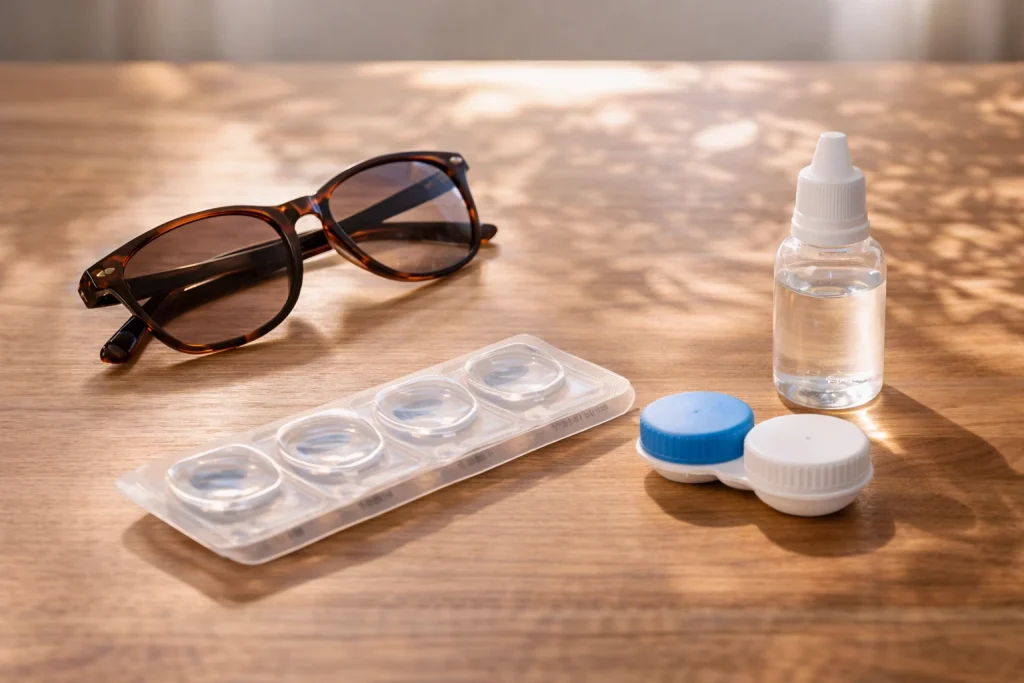
Sunglasses checklist:
- Look for 100% UVA and UVB protection (often labeled UV400)
- Choose larger frames or wrap styles to cut side exposure
- Consider polarized lenses for glare comfort (polarized helps with glare, but you still need UV protection on the label)
Outdoor Situations Where Protection Matters More
Some settings boost UV exposure or make it more noticeable, so having both contacts and sunglasses is the easiest win.
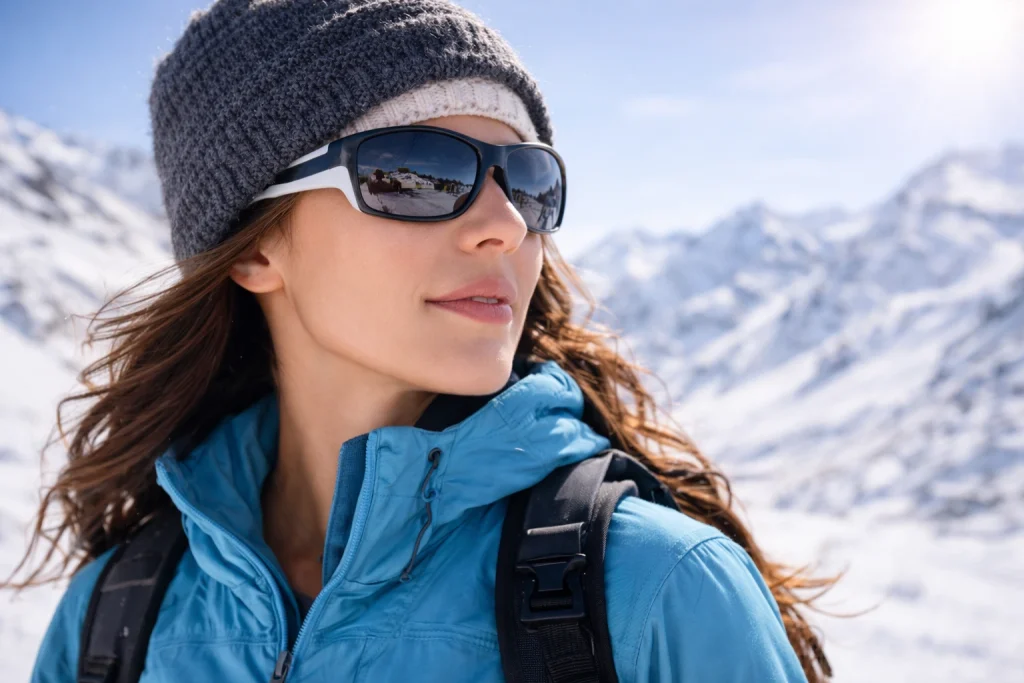
Outdoor situations checklist:
- Beach and water reflected light can raise UV exposure and make glare feel stronger.
- Snow and high altitude UV intensity can be higher, and snow reflection can feel harsh on your eyes.
- Long outdoor sports days add up, and wind plus brightness can leave your eyes feeling tired faster.
Are UV-Blocking Contact Lenses Worth It
Consider UV-blocking contacts if
- You spend a lot of time outdoors and want an extra layer of eye UV protection built into your routine.
- You drive often and want protection that stays on even when you forget a hat.
- You like the idea of contacts with UV protection helping reduce UV exposure through the part of the eye the lens covers.
You still need sunglasses if
- You want full coverage for what UV contact lenses cannot cover, like eyelids, surrounding skin, and the outer parts of the eye area.
- You care about glare comfort, especially near water, sand, and snow. Polarized sunglasses are usually the real upgrade for glare, not the contacts.
- You want a simple rule you can follow every time: UV contacts vs sunglasses is not either or. Use both for the best all around protection and comfort.
5 UV-Blocking Contacts to Compare
Your eye exam and prescription are the deciding factors, but these are popular UV blocking contact lenses to ask about if sun protection is part of your day. Final choice still comes down to fit, comfort, and how your eyes handle long outdoor time. Always check the box or product page for the exact UV rating, since it varies by model.
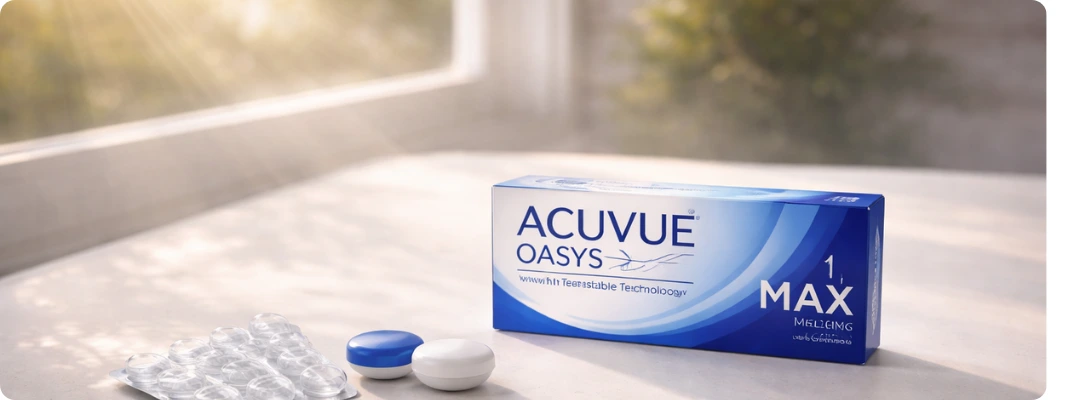
1. ACUVUE OASYS MAX 1-Day
ACUVUE OASYS MAX 1-Day is often chosen by people who want a premium daily lens feel with extra clarity support for screen heavy routines. It is known for comfort focused design, and the MAX line includes a blue violet light filtering feature, with UV blocking details listed on the packaging. It is a strong option to ask about if your day swings between screens and outdoor time and you want one daily lens to cover both settings.
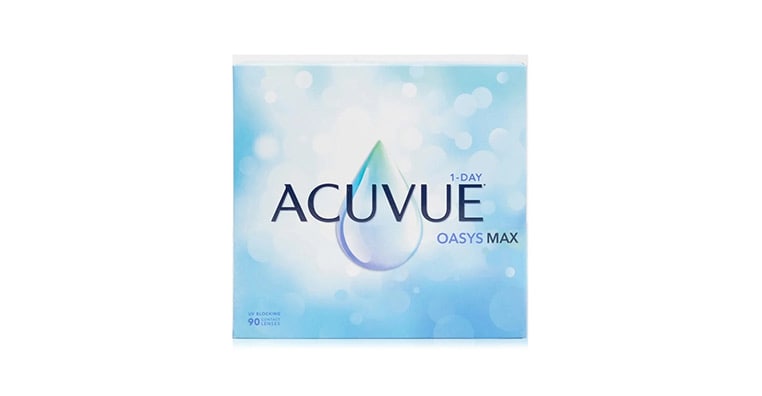
Try ACUVUE OASYS MAX 1-Day if you want a premium daily that can keep up with screens and outdoor time?
2. ACUVUE OASYS 1-Day with HydraLuxe
ACUVUE OASYS 1-Day with HydraLuxe tends to fit people who want comfort on long days without overthinking their routine. HydraLuxe is positioned as a tear inspired comfort design, and many wearers like it as a consistent daily option, with UV blocking listed for the line. It is a solid baseline choice when you want an easy daily schedule and still take sun protection seriously.
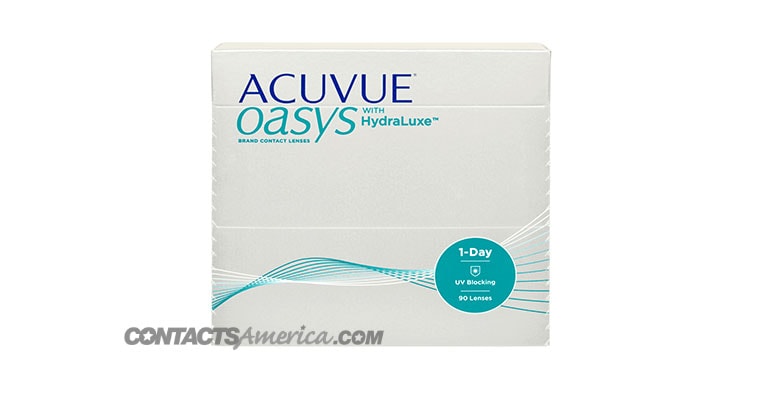
Go with ACUVUE OASYS 1-Day with HydraLuxe if you prefer a simple daily routine with steady comfort.
3. 1-Day ACUVUE Moist
1-Day ACUVUE Moist is a popular pick for people who like a soft, moisture forward feel in a daily lens. It is commonly chosen for comfort and convenience, and the product line includes UV blocking as an added layer when you are outside. It is worth bringing up if you want a gentle daily option for casual outdoor time paired with sunglasses.

Check out 1-Day ACUVUE Moist if you are looking for a softer daily feel for everyday wear.
4. Clariti 1 Day
Clariti 1 Day is often discussed as a breathable silicone hydrogel daily option for people who wear lenses for longer hours. Silicone hydrogel materials can feel more breathable to some wearers, and Clariti models commonly list UV protection on the packaging. It is a good conversation starter if you want a daily lens that balances breathability, convenience, and outdoor friendly habits.
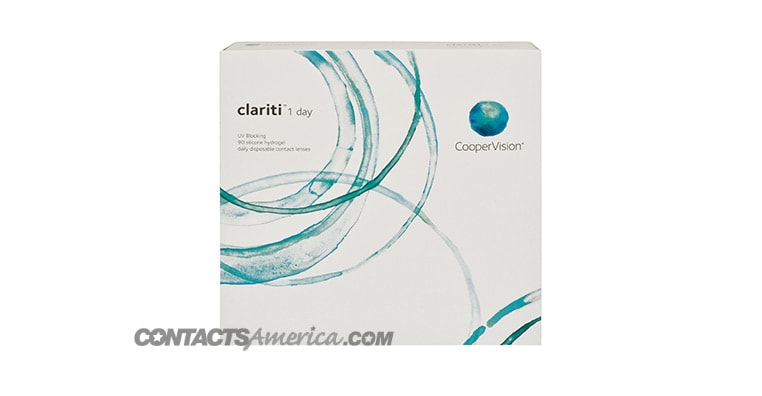
Consider Clariti 1 Day if you need a breathable silicone hydrogel daily for longer wear hours.
4. CooperVision MyDay Daily Disposable
CooperVision MyDay Daily Disposable is often considered for long days when you want an everyday premium silicone hydrogel feel. It comes up frequently in comfort focused discussions, and UV protection details are listed on the label for applicable models. It is a smart one to compare if you spend a lot of time outside and want a daily lens that pairs well with wrap sunglasses for full coverage.
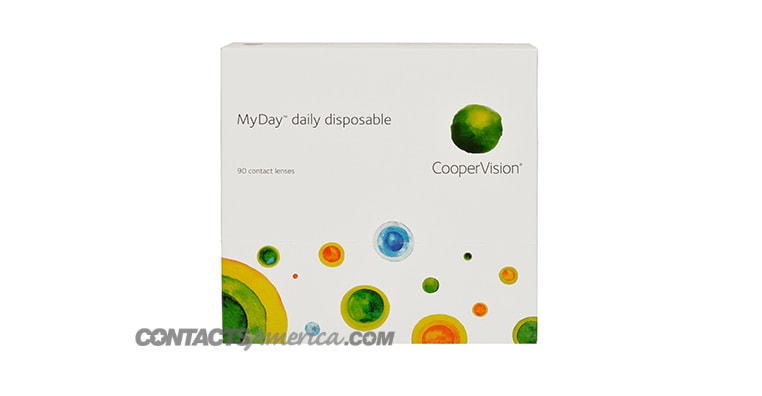
Pick CooperVision MyDay Daily Disposable for long outdoor days and an everyday premium feel.
Quick Comparison
| Product | Best For | Notes |
|---|---|---|
| ACUVUE OASYS MAX 1-Day | Screen Heavy Days + Outdoor Routine | MAX line may include blue violet filtering features; UV rating varies by model |
| ACUVUE OASYS 1-Day with HydraLuxe | Consistent Comfort On Long Days | Comfort focused daily option; verify UV class on packaging |
| 1-Day ACUVUE Moist | Soft Daily Feel For Everyday Wear | Good “easy daily” pick; confirm UV details on box |
| Clariti 1 Day | Breathable Daily Silicone Hydrogel Option | Verify UV protection details on product page or packaging |
| CooperVision MyDay Daily Disposable | Premium Daily Comfort | Confirm UV details per model; pair with sunglasses for full coverage |
Extra Safety Tips for Beach, Water, and Outdoor Days
A pair of UV contact lenses can be a helpful layer, but your outdoor comfort and safety still comes down to smart habits, especially around water and sunscreen.
Water and Contacts
- Avoid swimming, hot tubs, and showering in contacts whenever you can. Water can carry germs that stick to lenses, and that raises the risk of serious eye infections.
- If you cannot avoid water exposure, wear tight fitting swim goggles, and consider daily disposable contacts so you can remove and discard them right after. Do not keep wearing lenses that were splashed or soaked.
- After a beach day, your best “reset” is simple: remove lenses with clean, dry hands, switch to glasses, and let your eyes calm down if they feel irritated.
Sunscreen and Lens Handling
- Sunscreen and lotion on your fingers can sting fast if it gets near your eyes. Apply sunscreen first, let it dry, then wash and dry your hands before touching your lenses.
- Skip face level spray sunscreen when possible, or spray it into your hands first so it does not mist into your eyes.
- Even with contacts with UV protection, wear sunglasses for coverage and comfort since contacts do not protect the full eye area or surrounding skin.
Safety Note: If you get water in your eyes while wearing contacts and you notice strong pain, worsening redness, or light sensitivity, remove lenses and get medical advice promptly.
What UV-Blocking Contacts Do and What They Do Not
UV-blocking contact lenses are a smart extra layer, but they are not full sun protection on their own. They can help reduce UV exposure through the part of the eye the lens covers, yet your eyelids, the surrounding skin, and areas not covered by the lens still need sunglasses and other protection to stay comfortable outdoors.
Ready to add UV protection to your routine? Shop contacts with UV protection, then double check the UV details on the product box and confirm the best option for your eyes with your eye doctor.
FAQs: UV-Blocking Contact Lenses
1. Do UV-blocking contact lenses replace sunglasses?
No. UV-blocking contact lenses can reduce UV that passes through the lens, but they do not replace sunglasses because they do not cover the entire eye area. For full coverage and better comfort outdoors, wear sunglasses over your contacts.
2. Do UV contacts protect your whole eye and eyelids?
They do not. The lens mainly covers the cornea, so areas like the eyelids, surrounding skin, and parts not covered by the lens still need protection from sunglasses and other barriers like a hat.
3. What does Class 1 UV-blocking contact lenses mean?
Class 1 UV contacts are in the higher UV absorbing category in common standards. A commonly cited benchmark is that Class 1 lenses absorb at least 90 percent of UVA and at least 99 percent of UVB at minimum lens thickness.
4. What does Class 2 UV-blocking contact lenses mean?
Class 2 UV contacts still provide UV absorption, but the minimum standard is lower than Class 1. A commonly cited benchmark is at least 70 percent UVA absorption and more than 95 percent UVB absorption at minimum lens thickness.
5. Are all contact lenses UV-blocking and how can you tell?
No, not all lenses include UV blocking. Check your box, the lens spec sheet, or the product details page for “UV blocking” or a Class rating if one is listed.
6. How much UVA and UVB do UV-blocking contacts block?
It varies by lens model, so the most reliable answer is the packaging or the official product page. Some brands publish their UVA and UVB blocking levels for each lens, and those numbers can differ across products.
7. Can UV contacts help with sun glare (UV vs polarized)?
UV blocking is about reducing UV exposure, not glare comfort. If glare is the problem, polarized sunglasses are the main tool because they are designed to cut reflected glare from surfaces like water, roads, and snow.
8. Do UV-blocking contacts change eye color?
No. UV blocking is built into the lens material and does not change your eye color. Some lenses have a faint visibility tint to make them easier to see and handle, but it is not meant to change how your eyes look.
9. Do UV-blocking contacts block blue light?
Not automatically. UV blocking is not the same as blue light filtering. Some lenses may include separate blue violet filtering features, but that is a different feature set from contacts with UV protection.
10. Are UV-blocking contacts worth it for outdoor activities?
They can be a smart extra layer, especially if you are outdoors often or drive frequently, because UV exposure adds up over time. Just treat them as an add on, not a replacement, and pair them with sunglasses for the best real world protection and comfort.
Disclaimer: This content is for general informational purposes only and is not a substitute for professional advice, diagnosis, or treatment.
References
Ultraviolet radiation. World Health Organization. https://www.who.int/news-room/fact-sheets/detail/ultraviolet-radiation. Date Accessed: April 2, 2026.
Protecting your eyes from the sun’s UV light. National Eye Institute (National Institutes of Health). https://www.nei.nih.gov/research-and-training/research-news/protecting-your-eyes-suns-uv-light. Date Accessed: April 2, 2026.
UV Blocking for Eye Health. Johnson & Johnson Vision (J&J VisionPro). https://www.jnjvisionpro.com/en-fi/resources/uv-blocking/. Date Accessed: April 2, 20265.
TOTAL30™ brand soft contact lenses (lehfilcon A): 510(k) Decision Letter and Summary (K210436). U.S. Food and Drug Administration. https://www.accessdata.fda.gov/cdrh_docs/pdf21/K210436.pdf. Date Accessed: April 2, 2026.
Serafilcon A soft contact lenses (Alcon™): 510(k) Decision Letter and Summary (K212806). U.S. Food and Drug Administration. https://www.accessdata.fda.gov/cdrh_docs/pdf21/K212806.pdf. Date Accessed: April 2, 2026.
MyDay (stenfilcon A) Soft (Hydrophilic) Daily Disposable Contact Lens: 510(k) Decision Letter (K220070). U.S. Food and Drug Administration. https://www.accessdata.fda.gov/cdrh_docs/pdf22/K220070.pdf. Date Accessed: April 2, 2026.
Related Articles
-
Digital Detox Challenge: How It Improves Eye Health and How To Do It
-
The 20-20-20 Rule Explained: Does It Really Help Your Eyes?
-
Common Dry Eye Mistakes That Keep Symptoms From Improving
-

Myokymia or Eye Twitching: Symptoms, Causes, and Treatment
-

The Ultimate Guide to Safe Contact Lens Removal: Key Dos and Don’ts