If your best contacts for winter dry eyes suddenly feel fine in the fall but scratchy by February you are not imagining it. Winter air and indoor heat can dry your tear film faster which makes contact lens comfort harder to maintain.
We will break down the features that make contacts feel better in winter, share a few comfort fixes that really help, and highlight five lens picks that can stay comfortable when the air turns dry. Keep reading so you can stay comfortable and stocked before your next cold snap.
Why Winter Makes Dry Eyes Worse
Cold Air, Wind, and Low Humidity Outdoors
Cold winter air usually holds less moisture, and wind speeds up evaporation on the eye surface. That can trigger contact lens dryness faster, especially when you are outside for commuting, errands, or winter sports.
Indoor Heating and Low Humidity
Indoor heat can quietly drop humidity levels for hours at a time. When the air is dry, your tears evaporate faster, and your lenses can start to feel tight or gritty even if they felt fine earlier in the day.
More Screen Time and Less Blinking In Winter Routines
Winter often means more time on laptops and phones, and people tend to blink less while focusing. Less blinking can make dry eye contacts feel worse because the tear layer is not spreading evenly across the lens.
Contact Lenses and The Tear Film
Contact lenses sit on top of the tear film, so when that tear film gets unstable, the lens can feel drier too. That is why some people do better in winter with materials designed for moisture retention and breathability like silicone hydrogel contacts or a fresh pair of daily disposable contacts.
Quick Takeaway for Winter Comfort
- Dry air makes tears evaporate faster which can increase contact lens irritation
- Indoor heat can be the biggest trigger because exposure lasts all day
- Screen time reduces blinking which can worsen dryness and blur
- Choosing winter friendly lenses and using the right contact lens solution can reduce buildup and improve comfort
What to Look for in Contacts for Dry Eyes in Winter
The right lenses can make winter much easier on your eyes, especially if you deal with winter dry eye contacts or you notice dry eyes from contacts in winter once indoor heat kicks on.
Use the table below to spot the features that support contact lens hydration and daily comfort:
| Feature | Why It Helps | Best For | Lens Types |
|---|---|---|---|
| Daily disposable contacts convenience | Fresh lens each day reduces buildup and supports better comfort in dry winter air. | People who want the simplest routine with fewer irritation triggers. | Daily contacts and daily disposable contacts. |
| Silicone hydrogel contacts oxygen flow | Higher oxygen flow can help eyes feel more comfortable during longer wear days. | People who wear contacts for many hours at a time. | Silicone hydrogel contacts in daily and reusable contacts. |
| Moisture tech like wetting agents surface treatments or water gradient contact lenses | Helps the lens surface stay smoother and more hydrated when indoor air is dry. | People looking for more comfortable contacts for dry eyes. | Premium daily lenses and select monthly lenses. |
| Lower deposit tendency | Fewer deposits can reduce irritation and end of day discomfort in winter routines. | People with dry eyes plus allergy symptoms or sensitivity. | Daily disposable lenses and some silicone hydrogel designs. |
| Astigmatism support with stable toric design | Lens stability can reduce blur and movement that may feel irritating on dry eyes. | People with sensitive dry eyes and astigmatism. | Toric versions of daily and reusable silicone hydrogel lenses. |
If you are shopping for the best contacts for dry eyes, start with the features above and match them to your routine.
Daily vs Weekly vs Monthly for Winter Dry Eyes
There is no single winner for everyone. The best schedule for contacts for dry eyes in winter depends on how dry your environment is and how consistent you are with care.
This table will help you compare what changes in winter:
| Wear Schedule | Pros | Cons | Who Should Choose It |
|---|---|---|---|
| Daily disposable contacts for dry eyes | Fresh lens each wear helps reduce buildup and supports comfort in dry indoor air with no case or cleaning steps. | Higher cost for full time wear and you need enough supply on hand to avoid running out. | People with winter dryness who want the simplest routine or get irritated easily with indoor heating. |
| Two week lenses | Good value for frequent wear with consistent comfort when you follow a steady routine and proper cleaning. | Requires strict daily cleaning and case care since deposits can build faster in winter if routines slip. | People who wear contacts most days and can reliably maintain a reusable care routine. |
| Monthly lenses | Works well for routine wear if the material fits your eyes and you are consistent with cleaning and replacement. | More time for deposits to accumulate which can worsen dryness and irritation during winter heating. | People who do well with monthly wear and stay disciplined with cleaning and on time replacement. |
If you prefer reusable contacts, focus on hygiene, replace on time, and use the recommended contact lens solution so the lenses stay comfortable through the heating season.
Top Contact Lens Types and Technologies That Help in Winter
Winter comfort usually comes down to two things. Keeping the lens surface feeling smooth and keeping your eyes from drying out faster than your tears can recover. If you deal with contacts for dry eyes or you notice more contact lens dryness once indoor heating starts, these lens types and features tend to help most.
Silicone hydrogel lenses
Many silicone hydrogel contacts are designed to let more oxygen reach the eye which can support better contact lens comfort during longer days.
Best for: people who wear lenses for many hours and want breathable contacts for dry eyes
Daily disposable lenses
A fresh pair of daily disposable contacts removes the variables that often make winter harder like deposits, leftover residue, and inconsistent case care.
Best for: people who want simple routines and dry eye relief during cold weather
Water gradient and moisture retaining designs
Some lenses are built to hold moisture at the surface, which can make them feel smoother when the air is dry. This includes options often described as water gradient contact lenses or lenses focused on contact lens hydration.
Best for: people searching for the most comfortable contacts for dry eyes in winter
Surface treatments and wetting agents
These features aim to keep the lens surface feeling slippery and comfortable, which can help with contact lenses for dry eyes and irritation when your eyes feel tired late in the day.
Best for: people who get end of day dryness or mild contact lens irritation
Specialty options for severe dryness
If your dryness is strong or constant, standard soft lenses may not be enough. Your eye doctor may recommend specialty lenses such as scleral or hybrid lenses that protect the eye surface and hold a reservoir of moisture.
Best for: people with severe dryness or best contact lenses for dry eye syndrome needs who require medical guidance
Top 5 Best Contacts for Winter Dry Eyes
These are popular options many wearers look at when winter dryness becomes a real problem. Use these as a practical starting point, then narrow down based on what feels best for your eyes.
1. Dailies Total 1
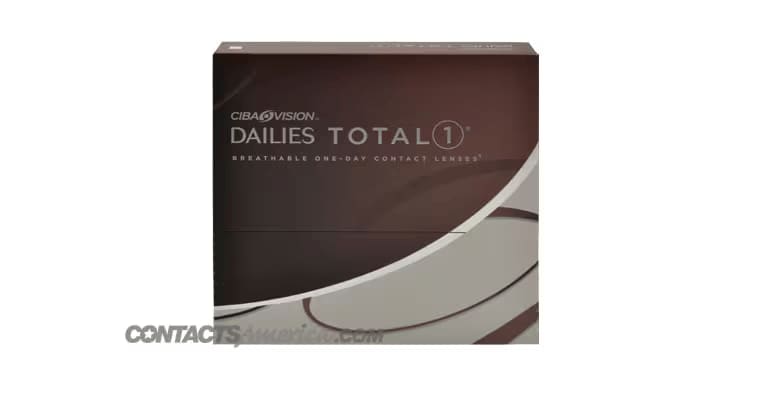
Best for: people who want comfort first with a simple routine
This is a strong option for winter dry eyes because you start fresh every day which can reduce buildup that makes lenses feel gritty. Many wearers prefer dailies during indoor heating season because they avoid the extra steps that can trigger irritation.
Wear Schedule and Care Notes: daily contacts you wear once and toss so no contact lens solution or case routine.
Shop the Dailies Total 1 for a fresh lens feel each day that can help keep winter dry eyes more comfortable.
2. Acuvue Oasys 1-Day with Hydraluxe
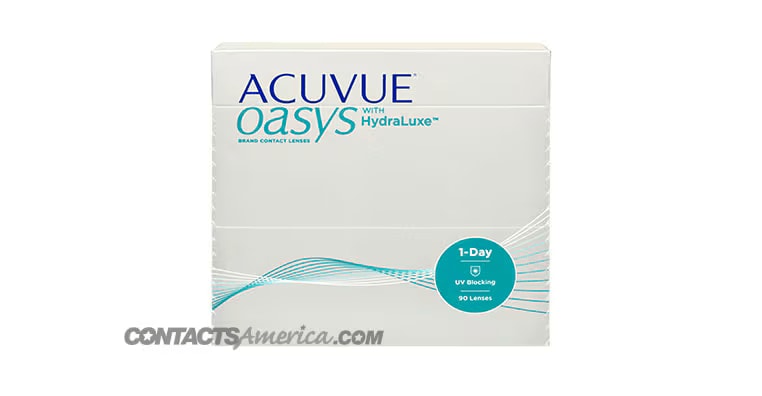
Best for: long days and comfort focused wear
This daily option is often chosen by people who notice dryness as the day goes on, especially with screens and heated indoor air. Starting with a fresh daily lens can support contact lens hydration and reduce end of day discomfort for many wearers.
Wear Schedule and Care Notes: daily disposable contacts with no cleaning steps.
Try the Acuvue Oasys 1-Day with Hydraluxe for all day comfort when indoor heating and screen time make eyes feel dry.
3. Precision1
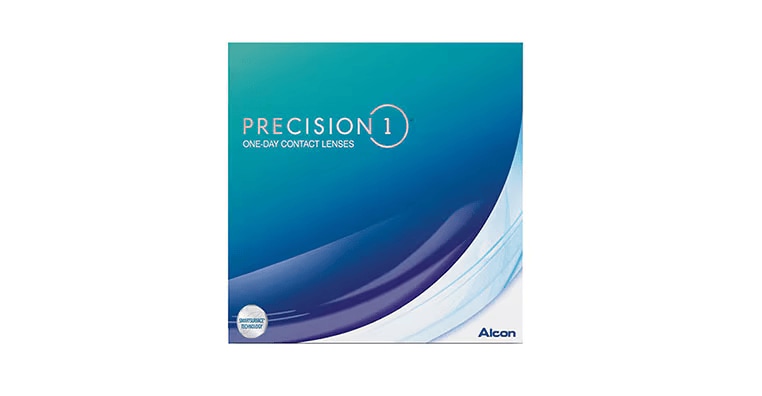
Best for: balanced comfort and everyday wear
If you want contacts for dry eyes in winter but prefer a straightforward daily lens, this is a common pick. Daily wear can help reduce residue that builds up in dry environments, which may support better contact lens comfort across the week.
Wear Schedule and Care Notes: daily disposable contacts that are single use.
Pick the Precision 1 if you want an easy daily option that supports comfort during cold weather dryness.
4. Acuvue Oasys
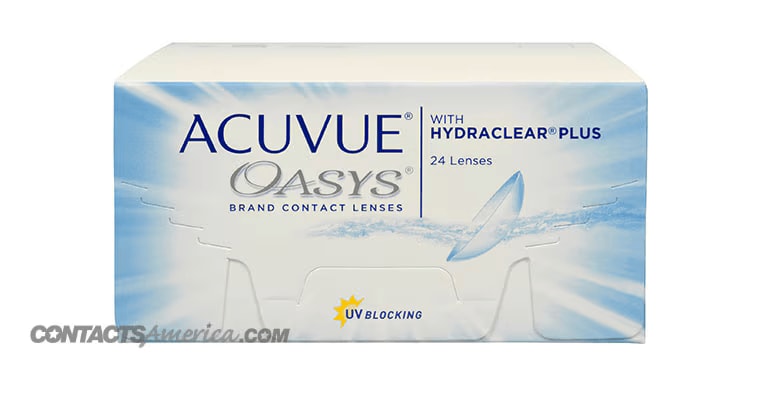
Best for: consistent routines with reusable wear
For people who wear lenses most days and follow care rules closely, this two week option can work well in winter. Many wearers choose it because it is commonly available in silicone hydrogel contacts, which can feel more comfortable for longer wear.
Wear Schedule and Care Notes: two week reusable contacts that require nightly cleaning and the right contact lens solution.
Choose Acuvue Oasys if you prefer a two week routine and want reliable comfort through the winter season.
5. Air Optix plus HydraGlyde
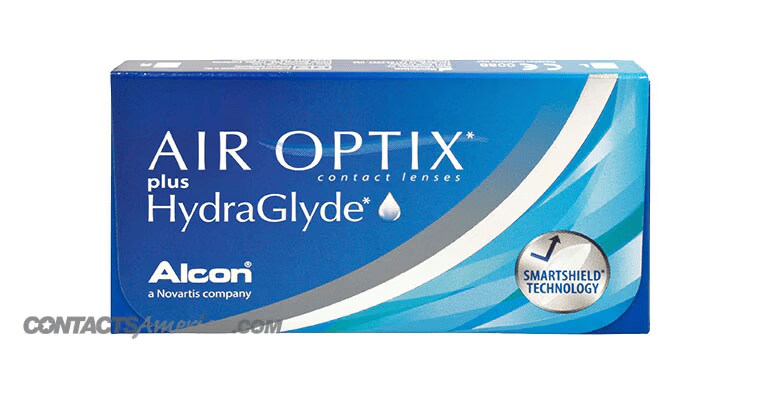
Best for: monthly wearers who want a moisture focused design
If you prefer monthly lenses and you keep up with cleaning and replacement, this can be a solid winter option. Moisture focused designs are often chosen by people dealing with contacts for dry eyes indoor heating and end of day dryness.
Wear Schedule and Care Notes: monthly reusable contacts with strict cleaning and on time replacement.
Browse Air Optix plus HydraGlyde for a monthly option designed for moisture and comfort when winter air feels extra dry.
10 Winter Comfort Fixes That Actually Help With Contacts
If your winter dry eyes flare up the moment the heat turns on, you do not always need to quit lenses. Small changes can make a real difference in contact lens comfort and reduce contact lens irritation fast.
1. Use a humidifier where you sleep
Dry indoor air is a big reason contact lens dryness feels worse in winter. A humidifier at night can help your eyes feel less dry when you wake up, which makes lens wear easier the next day.
2. Protect eyes from airflow
Car vents, space heaters, and cold wind can dry out your eyes quickly. Angle vents away from your face, and wear glasses or sunglasses outside to reduce direct airflow when you can.
3. Take screen breaks and practice better blinking
When you stare at a screen, you blink less and your tear layer breaks up faster. Set a simple reminder to look away regularly and do a few slow blinks to recoat the eye surface for better dry eye relief.
4. Use contact safe rewetting drops when approved
If your eye doctor says it is okay, use eye drops for contacts that are labeled safe for contact lens wear. Avoid drops that are not meant for lenses, since some can worsen dryness or blur.
5. Shorten wear time on harsh weather days
Some winter days are just harder on the eyes, especially with long outdoor time or very dry indoor heating. Wearing your dry eye contacts a few fewer hours can prevent that end of day burn and help you stay comfortable all week.
6. Switch to dailies during flare ups or travel
When your eyes are irritated, a fresh lens can feel better than re-wearing a reusable lens. Many people with contacts for dry eyes find daily disposable contacts are a good backup option during winter travel or extra dry weeks.
7. Check solution compatibility for reusable lenses
If you wear reusable contacts, the wrong solution can make lenses feel dry or filmy. Use the contact lens solution your doctor recommended, and if comfort changes after switching products, ask your eye doctor if another option is a better match.
8. Improve lens case habits
A dirty case can add irritation fast. Empty it daily, rinse with fresh solution, let it air dry, and replace it regularly so you do not reintroduce residue that can trigger contact lens irritation.
9. Warm compress and lid hygiene if recommended
For some people, dryness is linked to oil gland issues along the eyelids. A warm compress and gentle lid cleaning can support the tear film, but only do this if your eye doctor recommends it for your situation.
10. Know when to stop wearing lenses and switch to glasses
If your eyes feel sharp pain, intense burning, or your vision stays blurry, take your contacts out and switch to glasses. Pushing through discomfort is one of the fastest ways to turn a small problem into a bigger one.
When to See an Eye Doctor
Winter dryness is common, but certain symptoms should not be ignored. If you are dealing with ongoing contact lens dryness or worsening contact lens irritation, it is worth getting guidance instead of guessing.
Red Flags That Need Prompt Help
- Eye pain or a sudden increase in discomfort
- Worsening redness that does not improve after removing lenses
- Discharge or crusting
- Strong light sensitivity
- Vision changes that do not clear with blinking or removing lenses
Urgent Signs: If you have significant pain, swelling, light sensitivity, or blurred vision that does not improve after lens removal, stop wearing lenses and contact an eye doctor as soon as possible.
If Dryness Is Frequent Or Worsening
- Ask for a dry eye evaluation and tear film check
- Ask if your lens type or fit should be adjusted to improve contact lens comfort
- Discuss whether silicone hydrogel contacts or daily contacts would be a better match for your winter routine
- Ask which eye drops for contacts are best for your eyes and your lens type
Best Contacts for Winter Dry Eyes Comes Down to Moisture and Routine
Winter dryness is usually a mix of dry outdoor air, indoor heating, and long screen days that reduce blinking. The best approach is to choose lenses that support moisture and comfort, pick a wear schedule you can stick to, and use the winter fixes consistently so small irritation does not build into a bigger problem. If dryness keeps coming back, a quick check with your eye doctor can help you fine tune your lens type and care routine for better comfort.
Ready to feel more comfortable this winter? Shop contacts for dry eyes and choose a lens that fits your routine before the driest weeks hit.
Best Contacts for Winter Dry Eyes FAQs
1. What type of contacts are best for dry eyes?
Many people do well with daily disposable contacts because a fresh lens each day can reduce buildup that worsens dryness. Others prefer silicone hydrogel contacts for their breathable feel during longer wear. The best choice depends on your eye exam and how your eyes respond in real life.
2. Do contacts dry out in cold weather?
Yes, winter air and indoor heating can speed up tear evaporation and trigger contact lens dryness. Wind and airflow from heaters or car vents can make it worse. Small comfort habits and the right lens type can improve contact lens comfort fast.
3. Are daily contacts better for dry eyes in winter?
For many people with winter dry eyes, daily contacts feel easier because you start with a clean lens surface every day. They also remove the case and cleaning variables that can trigger irritation in dry season routines. If you prefer reusable wear, you may still do well with good care and the right material.
4. What are the best contacts for dry eyes and astigmatism in winter?
If you have astigmatism, your doctor may fit you in toric lenses designed to stay stable, which can reduce blur and movement that feels irritating. Look for toric options that prioritize comfort and moisture, and ask if a daily schedule is a good fit for your dryness. A proper fit matters most for both comfort and clear vision.
5. What contact lens solution is best for dry eyes?
There is no single best contact lens solution for everyone because comfort depends on your lens material and your eyes. Use the solution your eye doctor recommends and avoid switching often during winter if you are prone to irritation. If your lenses feel dry or filmy, ask your doctor if a different solution or a switch to dailies would help.
6. Which is better for dry eyes ACUVUE Moist or OASYS?
It depends on your prescription, fit, and how your eyes handle dryness. Some wearers prefer OASYS options for longer days, while others feel comfortable in Moist, especially in a daily schedule. Your eye doctor can guide you to the best match and adjust the fit if winter discomfort continues.
Disclaimer: This information is for general informational purposes only and is not a substitute for professional advice, diagnosis, or treatment.
References
Wearing Contacts and Glasses in Cold Weather-Winter Eye Care Tips. Kraff Eye Institute. https://kraffeye.com/blog/wearing-contacts-and-glasses-in-cold-weather-winter-eye-care-tips. May 20, 2022.
Contact Lenses & Winter: What You Need to Know. Arlington Vision Source. https://www.arlingtoneyedoctors.com/contact-lenses-winter-what-you-need-to-know/. Feb 17, 2025.
Dry Eye in Winter: Causes, Symptoms, and Solutions. Cornea and Contact Institute of Minnesota. https://www.corneaandcontactlensinstitute.com/about-us/. Jan 20, 2025.
About Contact Lenses. Centers for Disease Control and Prevention (CDC). https://www.cdc.gov/contactlenses/. 2026.
Dry Eye. National Eye Institute (NEI). https://www.nei.nih.gov/learn-about-eye-health/eye-conditions-and-diseases/dry-eye. 2026.
Contact Lenses: What to Know Before You Buy. U.S. Food and Drug Administration (FDA). https://www.fda.gov/medical-devices/contact-lenses/buying-contact-lenses. October 28, 2020.
Related Articles
-
Daily vs Bi Weekly Contacts (Which Fits Your Routine Better)
-

2026 Super Bowl LX: Contact Lens Comfort and Safety Tips for On Screen and Stadium
-

Stephen Curry’s 3Cs: Contact Lenses, Career Stats, & Championships
-

What are the Vision Problems of Stephen Nedoroscik?
-

Can I Wear Contact Lenses After Cataract Surgery?