A standard eye exam involves a series of tests that check how well you see and assess the overall health of your eyes. Regular eye checkups help keep your vision prescription up to date and can detect early signs of eye conditions, including those that may not cause noticeable symptoms. These exams are important even when your vision seems fine.
During an eye exam, an optometrist or ophthalmologist may perform different tests to measure visual clarity, check how your eyes work together, examine internal eye structures, and look for signs of potential problems. The tests you receive depend on your age, eye health, medical history, and vision needs.
Common Vision Tests Performed During an Eye Exam
Eye doctors use several tests to assess different aspects of your vision, from how clearly you see to how well you detect colors and objects outside your direct line of sight. These tests help determine whether you need vision correction and identify changes that may require further evaluation.
Visual Acuity Test
A visual acuity test measures how clearly you can see letters or symbols at a set distance. Your eye doctor typically asks you to read an eye chart, such as the Snellen chart, while covering one eye at a time. The results are recorded as measurements like 20/20 or 20/40, which indicate how sharp your distance vision is.
Refraction Test
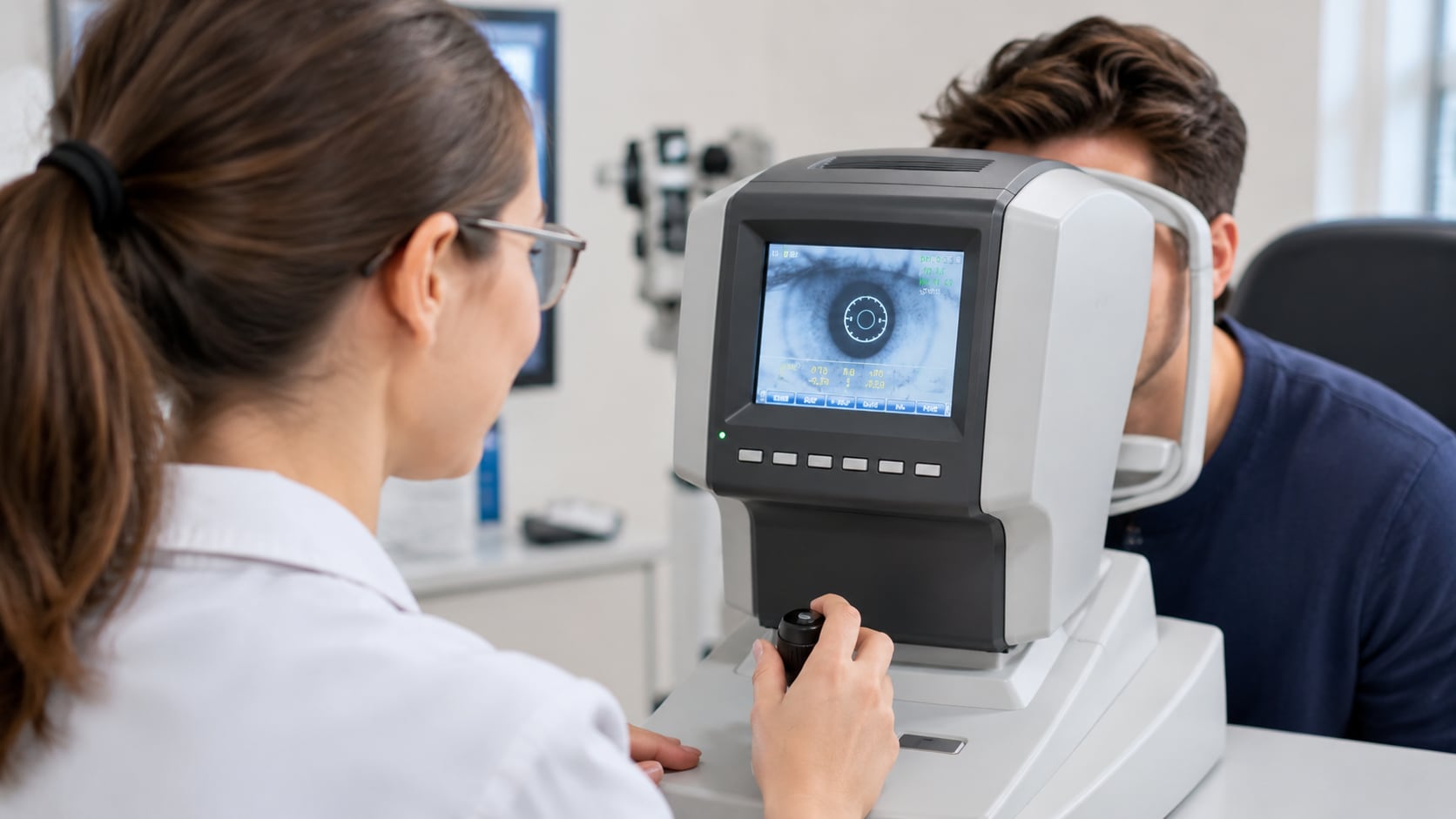
A refraction test determines the lens prescription needed to correct nearsightedness, farsightedness, or astigmatism. Your eye doctor uses an instrument called a phoropter to show you different lenses and asks which ones make letters or images appear clearer. The results help determine the appropriate prescription for glasses or contact lenses.
Color Vision Test
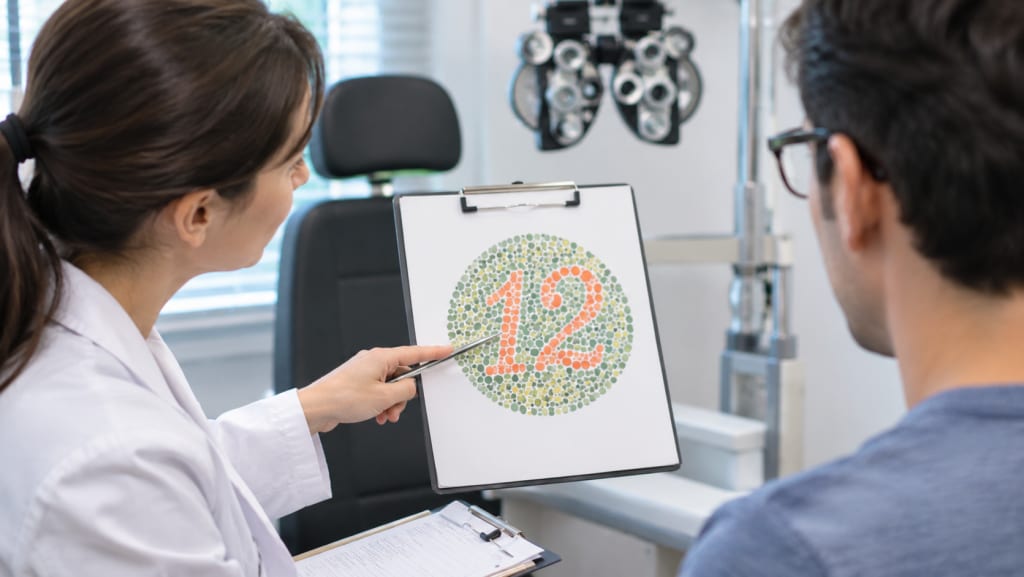
A color vision test checks your ability to distinguish between different colors. One common method uses Ishihara plates, which display numbers or patterns made from colored dots. Your responses help your eye doctor identify possible color vision deficiencies, particularly difficulty distinguishing red and green.
Visual Field Test
A visual field test measures how much you can see in your peripheral vision while looking straight ahead. Depending on the method, your eye doctor may ask you to identify objects or lights appearing at different points in your field of vision. The results can reveal blind spots or areas of reduced vision that may be associated with conditions such as glaucoma or neurological disorders.
Standard Eye Health Tests and What They Detect
Beyond checking how well you see, your eye doctor also examines the physical health of your eyes. These tests help identify changes in eye pressure, internal structures, and pupil function that may indicate an underlying condition. Some are performed during routine checkups, while others depend on your symptoms, medical history, and initial test results.
Slit-Lamp Examination
A slit-lamp examination allows your eye doctor to inspect the front structures of your eye under magnification. Using a specialized microscope with a bright, narrow beam of light, the doctor examines your cornea, iris, lens, and surrounding tissues. This test can reveal signs of cataracts, corneal injuries, inflammation, and other abnormalities that may affect eye health.
Tonometry
Tonometry measures the pressure inside your eyes, known as intraocular pressure. Your eye doctor may use a gentle puff of air or an instrument that briefly touches the eye after applying numbing drops. Higher-than-normal eye pressure can increase the risk of glaucoma, although glaucoma can also develop with normal pressure readings. Tonometry is one part of a broader glaucoma evaluation.
Dilated Eye Examination
A dilated eye examination gives your eye doctor a clearer view of the structures at the back of your eye. Special eye drops temporarily widen your pupils, allowing the doctor to examine the retina, optic nerve, and blood vessels. This examination can help detect signs of diabetic retinopathy, macular degeneration, glaucoma, and other conditions that may develop without noticeable early symptoms.
Pupil Response Test
A pupil response test checks how your pupils react to changes in light. Your eye doctor shines a small light into each eye and observes whether the pupils constrict appropriately and respond together. Unusual reactions may indicate problems involving the optic nerve, other nerve pathways, or certain eye conditions that require further evaluation.
How Often Should You Get an Eye Exam?
How often you need an eye exam depends on your age, vision needs, medical history, and overall eye health. The American Optometric Association (AOA) recommends an eye exam at least every two years for adults ages 18 to 64 who have no symptoms or risk factors. Adults 65 and older should generally have their eyes examined annually. Your eye doctor may recommend a different schedule based on your individual needs.
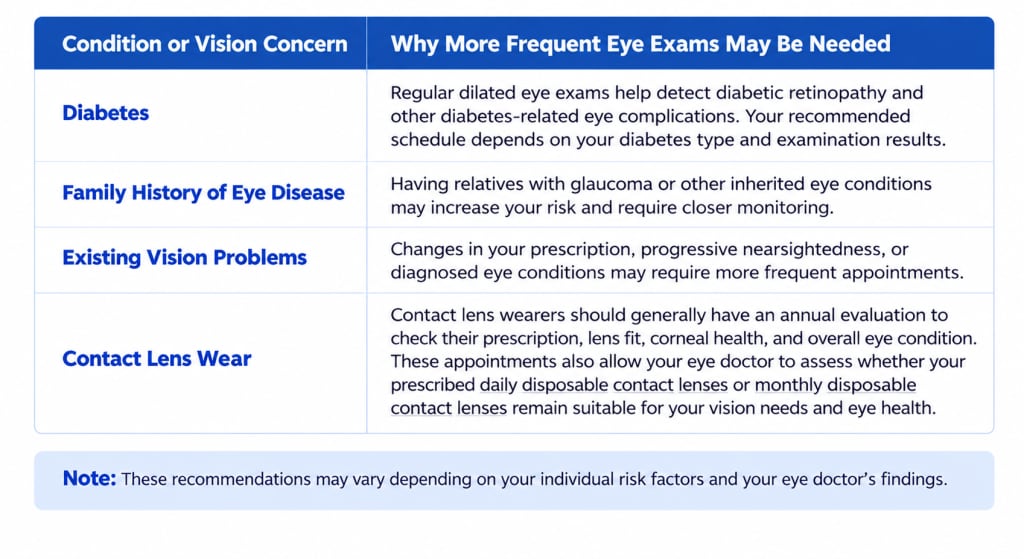
You shouldn’t wait until your next scheduled appointment when you notice persistent blurry vision, recurring eye discomfort, redness, or difficulty focusing. Sudden vision loss, severe eye pain, or new flashes of light and floaters require urgent medical attention. Getting your eyes checked when symptoms develop can help identify problems before they become more serious.
Keep Your Eyes Healthy With Regular Eye Exams
Standard eye tests help your eye doctor assess how clearly you see, examine important eye structures, and detect potential problems before they affect your vision. Each test serves a different purpose, making regular eye exams an important part of maintaining good eye health.
Schedule routine eye exams based on your age, vision needs, and your eye doctor’s recommendations. Keeping your prescription current is especially important when you wear glasses or contact lenses, as changes in your vision or eye health may affect the correction you need. Whether you wear daily disposable contact lenses or monthly disposable contact lenses, regular checkups can help you maintain clear, comfortable vision and address eye problems early.