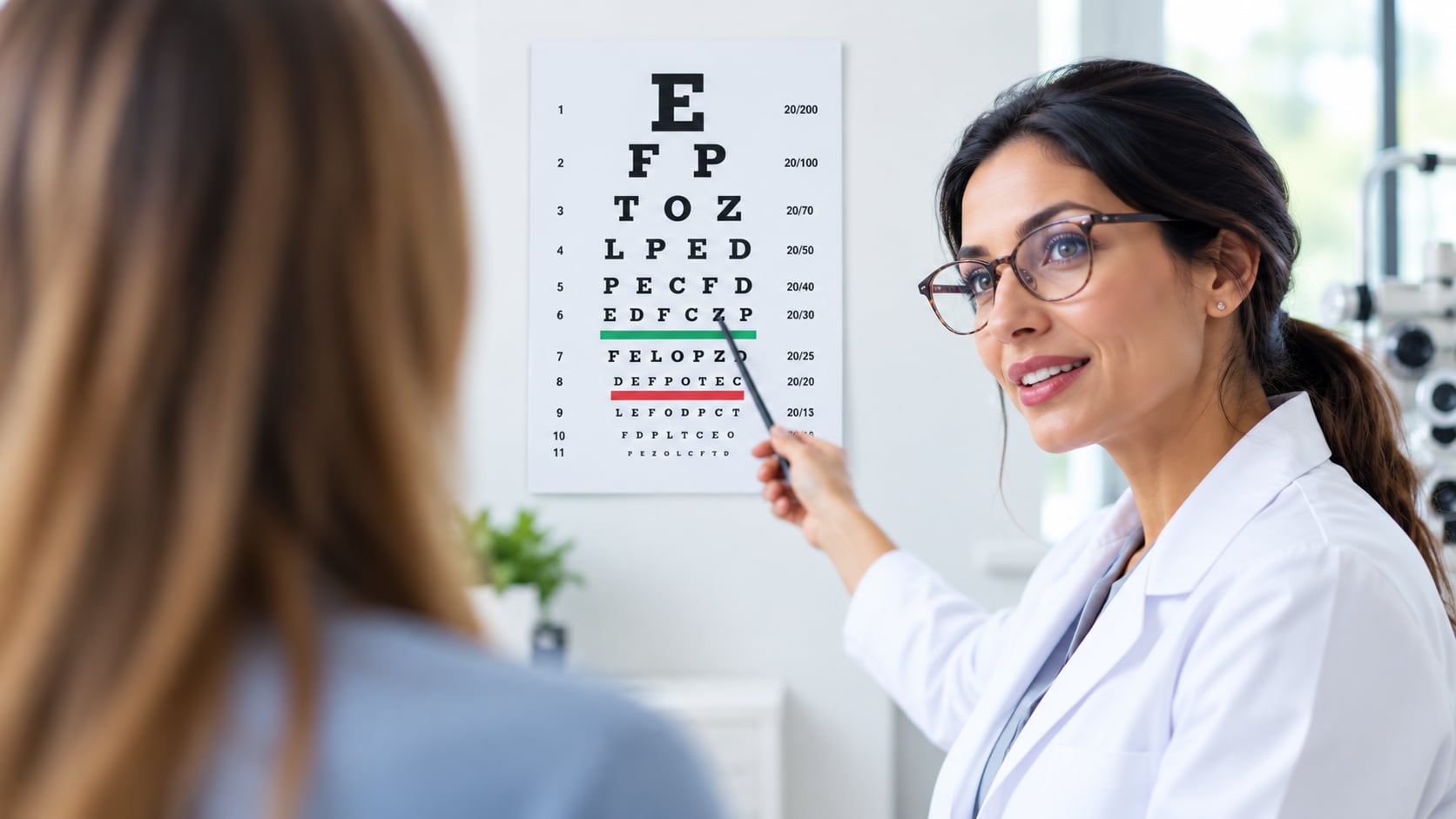
Your eyes can reveal more about your health than how clearly you see. Changes in the eyes can sometimes be early signs of health conditions affecting other parts of the body, even before noticeable symptoms appear. During a comprehensive eye exam, an eye doctor looks beyond your vision to examine structures such as the retina, blood vessels, and optic nerve. These structures can show changes linked to conditions that affect your overall health.
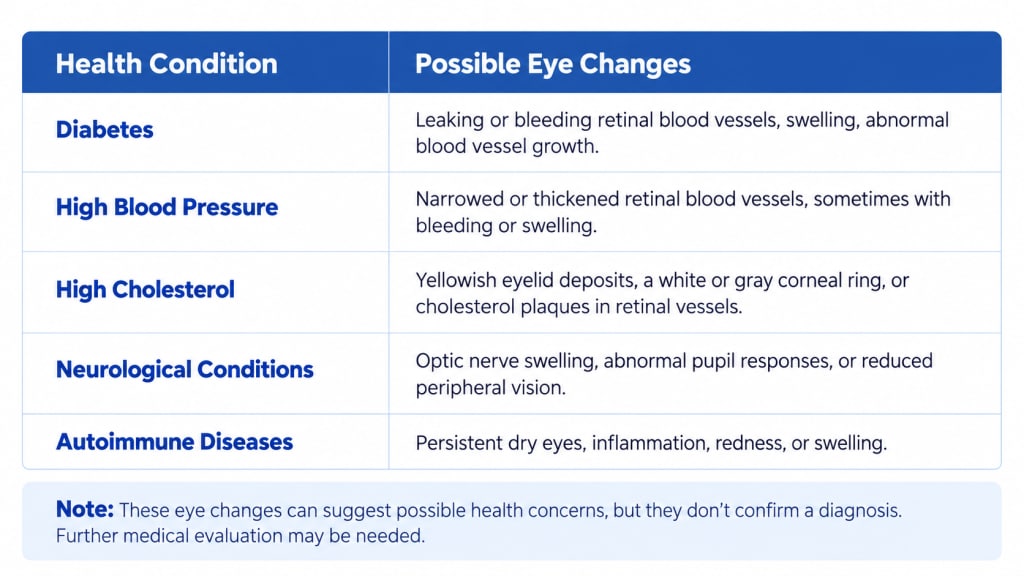
Diabetes, high blood pressure, high cholesterol, and certain neurological or autoimmune conditions can all cause changes that an eye doctor can detect during an examination. While these findings don’t always confirm an underlying health problem, they can indicate when further medical evaluation is needed. Regular eye exams help monitor these changes and protect your vision, especially for contact lens wearers who also need routine checks of their eye health and lens fit.
How Can Your Eyes Reveal Signs of Health Problems?
The eyes contain small blood vessels and nerve tissues that can reflect changes occurring elsewhere in the body. For example, conditions affecting blood circulation, blood sugar, or the nervous system can leave visible signs in the retina or optic nerve. During a comprehensive eye exam, an eye doctor examines these structures for abnormalities, such as damaged blood vessels, swelling, or changes in tissue appearance. They can also assess pupil responses, eye pressure, and other aspects of eye health to identify possible concerns.
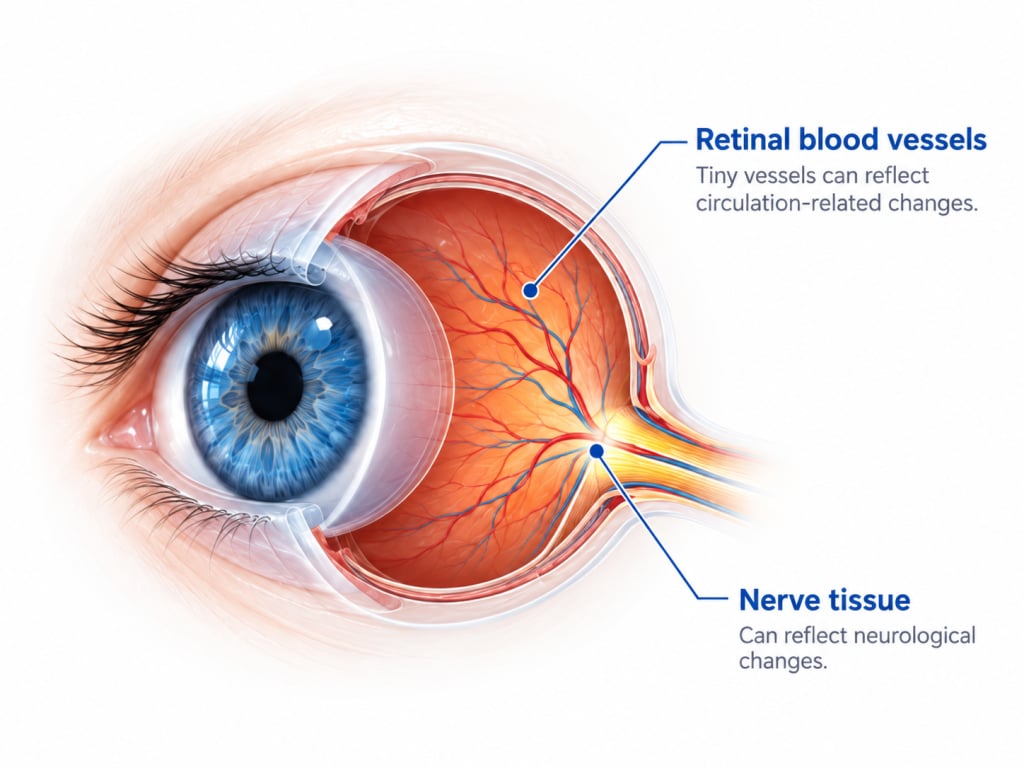
Some eye changes can develop without causing pain or noticeable vision problems, which makes routine examinations important. An unusual finding doesn’t automatically mean you have a specific health condition, since similar changes can have different causes. Your eye doctor can assess the findings alongside your medical history and symptoms, then recommend further testing or a consultation with another healthcare professional when necessary.
What Health Conditions Can Eye Doctors Detect During an Eye Exam?
Diabetes and Diabetic Retinopathy
High blood sugar levels associated with diabetes can damage the tiny blood vessels in the retina, the light-sensitive tissue at the back of the eye. Over time, these vessels can weaken, leak fluid, or bleed, leading to a condition called diabetic retinopathy. Fluid buildup can also cause swelling in the macula, the part of the retina responsible for sharp central vision. As the condition progresses, abnormal new blood vessels can develop and increase the risk of vision loss.
Diabetic retinopathy doesn’t always cause noticeable symptoms in its early stages. During a dilated eye exam, an eye doctor can look for damaged blood vessels, retinal swelling, and small areas of bleeding before vision becomes affected. These findings can help identify diabetic eye disease and indicate when further medical evaluation or treatment is needed.
High Blood Pressure and Retinal Blood Vessel Changes
High blood pressure, also called hypertension, can damage the small blood vessels in the retina over time. Persistent pressure can cause these vessels to narrow, thicken, or become less capable of carrying blood normally. This damage is known as hypertensive retinopathy. In more severe cases, damaged blood vessels can leak fluid or bleed, causing retinal swelling and potentially affecting vision.
Hypertensive retinopathy can develop without noticeable symptoms, particularly in its early stages. During a dilated eye exam, an eye doctor can identify narrowed arteries, changes in blood vessel walls, and signs of bleeding or swelling. These findings can suggest that high blood pressure is affecting the eyes, prompting further evaluation and blood pressure monitoring.
High Cholesterol and Visible Eye Changes
High cholesterol can contribute to fatty deposits in and around the eyes. One visible sign is xanthelasma, which appears as yellowish patches or bumps on the eyelids, particularly near the inner corners. Another change is corneal arcus, a white or gray ring around the outer edge of the cornea. Although these findings can be associated with elevated cholesterol levels, they don’t always indicate a cholesterol problem.
During a dilated eye exam, an eye doctor can also detect small cholesterol deposits called Hollenhorst plaques inside retinal blood vessels. These deposits generally originate from plaque buildup in larger arteries and can indicate underlying cardiovascular disease. Their presence warrants further medical evaluation, even when vision remains normal. Blood tests and other examinations can help determine whether high cholesterol or another circulatory problem is involved.
Neurological Conditions and Optic Nerve Changes
The optic nerve carries visual information from the eyes to the brain, making it an important part of both vision and neurological health. Certain conditions affecting the brain or nervous system can cause optic nerve swelling, changes in pupil responses, or problems with peripheral vision. For example, increased pressure inside the skull can cause optic nerve swelling, known as papilledema, while conditions such as multiple sclerosis can cause inflammation of the optic nerve, called optic neuritis.
During a comprehensive eye exam, an eye doctor can examine the optic nerve, assess how the pupils respond to light, and test the visual field for areas of reduced or missing vision. Abnormal findings don’t necessarily indicate a neurological disorder, but they can signal the need for further investigation. Depending on the symptoms and examination results, an eye doctor can recommend neurological evaluation, imaging tests, or other diagnostic procedures.
Autoimmune Diseases and Other Health Conditions
Autoimmune diseases occur when the immune system mistakenly attacks healthy tissues, sometimes affecting the eyes. Sjögren’s syndrome, for example, can damage the glands responsible for tear production, causing persistent dryness, burning, and irritation. Other autoimmune conditions, including rheumatoid arthritis and lupus, can cause eye inflammation, such as uveitis, which can lead to redness, pain, light sensitivity, and blurred vision. Thyroid-related conditions can also affect the eyes, sometimes causing swelling, dryness, or bulging.
During a comprehensive eye exam, an eye doctor can check tear production, examine the eye’s surface, and look for signs of inflammation or unusual tissue changes. Persistent dry eyes or recurring inflammation can raise concerns about an underlying health condition, particularly when accompanied by symptoms elsewhere in the body. Since these eye findings can have different causes, an eye doctor can recommend further testing or a consultation with another healthcare professional to determine whether a systemic condition is involved.
Why Are Regular Eye Exams Important for Contact Lens Wearers?
Regular eye exams help contact lens wearers maintain healthy eyes while checking for changes that can affect their vision and overall health. A contact lens prescription check focuses on lens power, fit, and how well the lenses work with your eyes. As explained in our First-Time Contact Lens User Guide, getting started with contacts involves more than choosing a prescription. A comprehensive eye exam goes further by evaluating the retina, optic nerve, eye pressure, and other structures for signs of eye disease or underlying health conditions. Both assessments are important, even when your contacts feel comfortable and your vision seems clear.
During a contact lens examination, an eye doctor also checks the cornea for signs of irritation, dryness, swelling, or damage related to lens wear. They can assess how the lenses fit, examine the tear film, and determine whether changes to your prescription or wearing routine are needed. This applies to different lens types, including monthly disposable contact lenses, which require regular replacement and proper care. Keeping up with recommended eye exams helps identify problems before they worsen and confirms that your contact lenses remain suitable for your eyes. Regular appointments also give your eye doctor an opportunity to detect changes associated with conditions such as diabetes and high blood pressure.
Don’t Skip Your Comprehensive Eye Exam
Even if your vision is clear and your contacts feel comfortable, regular eye exams can reveal early signs of conditions like diabetes and high blood pressure. Ask your eye doctor about a comprehensive eye exam, not just a contact lens prescription check.
Keep Your Eyes Healthy With Regular Eye Exams
Your eyes can reveal changes that extend beyond your vision, including possible signs of diabetes, high blood pressure, and other health conditions. Regular comprehensive eye exams can help detect these changes early, even when your eyesight seems normal and you haven’t noticed any symptoms. Identifying unusual findings can also help determine when further medical evaluation is needed.
For contact lens wearers, routine eye exams are equally important for maintaining comfortable, healthy lens wear. Keep up with comprehensive eye health evaluations and recommended contact lens follow-up appointments to monitor your vision, check your lens fit, and address potential problems before they worsen.
Related Articles
-

How to Clean Your Contact Case Correctly (And When to Replace It)
-

7 Spring Eye Care Tips: Clear Vision After Winter
-

10 Contact Lens Habits Busy Moms Can Use To Keep Eyes Comfortable
-

Eyeing the Options: Focus Dailies or Dailies Aquacomfort Plus?
-

Why Are My Contacts Blurry? Causes, Fixes, and When to See an Eye Doctor