The FIFA World Cup 2026 is the kind of event that can take over your calendar, your group chat, and your screen time for weeks. You may be flying to a host city, walking through a packed fan zone, watching from a crowded stadium, joining a late-night watch party, or tracking multiple matches on your phone, laptop, and TV. If you wear contact lenses, that much travel, heat, excitement, and screen focus can make comfort harder to manage than usual.
While contacts can be a practical choice for soccer fans because they give you clear vision without glasses slipping, fogging, or getting in the way of sunglasses and fan gear. Still, contact lens comfort during travel depends on preparation, hygiene, weather, water safety, and knowing when to switch to glasses.
What Is the FIFA World Cup?
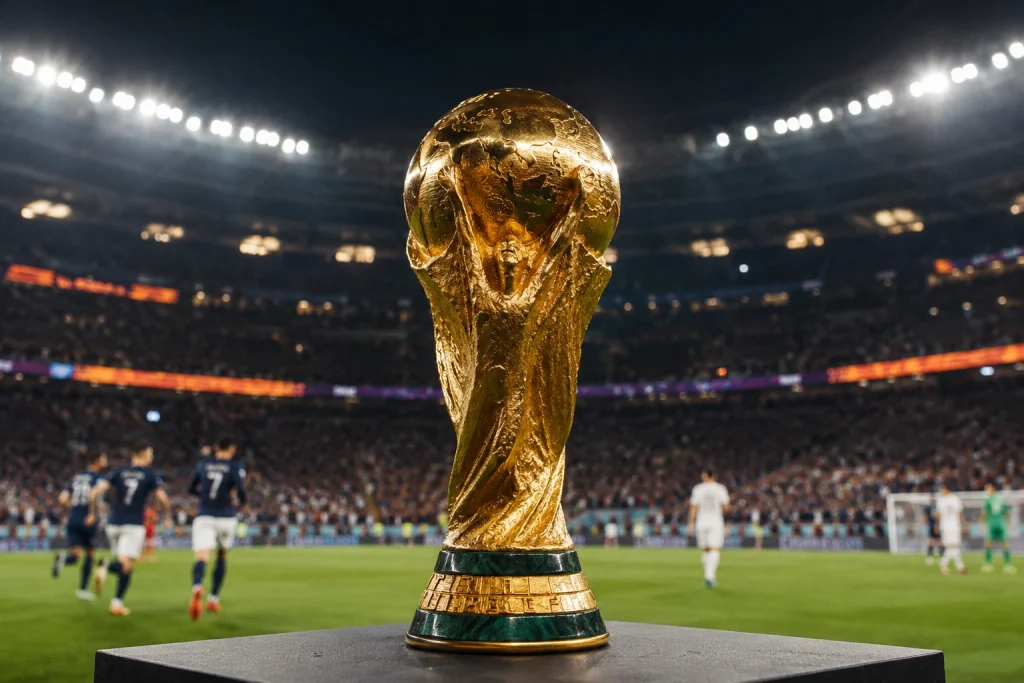
The FIFA World Cup is the biggest international men’s soccer tournament, organized by FIFA and contested by national teams from around the world. It is held every four years, with teams qualifying through regional competitions before reaching the final tournament. The winner earns the title of world champion, making the trophy one of the most prized achievements in global sport.
For fans, the World Cup is more than a schedule of matches. It brings together national pride, football culture, famous players, dramatic upsets, and moments that can define a generation. Because the tournament reaches audiences across time zones and languages, it often becomes one of the most talked-about global events of the year.
A Brief History of the FIFA World Cup
The first FIFA World Cup was held in Uruguay in 1930, and Uruguay won the first championship on home soil. The tournament paused during World War II, then returned and continued growing as more nations joined qualification and more countries followed the event. Over time, it became the stage for legendary teams, iconic goals, and players whose names became part of football history.
Each edition has added new chapters, from Brazil’s record five titles to Argentina’s 2022 triumph in Qatar. The host country changes by edition, giving each tournament a different atmosphere, culture, and legacy. The 2026 edition is especially historic because it is the first men’s World Cup hosted by three countries and the first to feature 48 teams.
FIFA World Cup 2026: Key Details Fans Want to Know First
The FIFA World Cup 2026 will be one of the largest editions in tournament history. It will span three host countries, 16 host cities, and more than a month of matches. That scale makes the basic details important for fans planning schedules, trips, tickets, and watch parties.
Before the tournament begins, most fans want quick answers about dates, venues, match count, performers, favorites, and broadcast options. These details help set expectations before the full match calendar gets busy.
Here are the key FIFA World Cup 2026 questions fans are most likely to search first:
FIFA World Cup 2026 at a Glance
| Detail | What Fans Should Know |
|---|---|
| Tournament Dates | June 11 to July 19, 2026 |
| Opening Match | Mexico City will host the opening match on June 11, 2026. |
| Final Match | The final is scheduled for July 19, 2026, at New York New Jersey Stadium in East Rutherford, New Jersey. |
| Host Countries | United States, Canada, and Mexico |
| Host Cities | 16 host cities across North America |
| Teams | 48 national teams |
| Total Matches | 104 matches |
| Format | 12 groups of four teams, followed by a 32-team knockout stage |
| Why It Matters | It is the first men’s World Cup hosted by three countries and the first to feature 48 teams. |
Where Is the FIFA World Cup 2026 Being Held?
| Host Country | Host Cities |
|---|---|
| Mexico | Mexico City, Guadalajara, Monterrey |
| Canada | Toronto, Vancouver |
| United States | Atlanta, Boston, Dallas, Houston, Kansas City, Los Angeles, Miami, New York New Jersey, Philadelphia, Seattle, San Francisco Bay Area |
This wider North American format gives fans more travel options than any previous men’s World Cup. It also means match conditions, time zones, and local climates can vary depending on where you plan to watch.
| Stage | Dates | Event |
|---|---|---|
| Opening Match | June 11, 2026 | Mexico opens the tournament against South Africa in Mexico City. |
| Group Stage, Matchday 1 | June 11 to 17, 2026 | All 48 teams play their first group-stage match. |
| Group Stage, Matchday 2 | June 18 to 23, 2026 | Teams play their second group-stage match. |
| Group Stage, Matchday 3 | June 24 to 28, 2026 | Final group matches decide who advances. |
| Round Of 32 | June 28 to July 4, 2026 | The top group-stage teams and best third-place teams enter the knockout stage. |
| Round Of 16 | July 4 to 7, 2026 | Winners from the Round of 32 move one step closer to the quarterfinals. |
| Quarterfinals | July 9 to 12, 2026 | The final eight teams compete for semifinal spots. |
| Semifinals | July 14 to 15, 2026 | Four teams battle for a place in the final. |
| Third-Place Match | July 18, 2026 | The two semifinal losers play for third place. |
| Final | July 19, 2026 | The championship match takes place at New York New Jersey Stadium. |
Because kickoff times, broadcast details, and knockout matchups can change based on results and location, fans should check the official FIFA schedule before booking travel or planning watch parties.
How Does the 2026 World Cup Format Work?
| Stage | What Happens |
|---|---|
| Group Stage | 48 teams are divided into 12 groups of four. |
| Who Advances | The top two teams in each group advance, along with the best third-place teams. |
| Knockout Stage | 32 teams move into single-elimination matches. |
| Final Weekend | The tournament ends with the third-place match and the final. |
The expanded format means more matches, more teams, and more chances for surprise results. It also gives more countries a chance to appear on the world stage.
Who Will Perform at the FIFA World Cup 2026?
| Detail | Current Status |
|---|---|
| Final Halftime Show | FIFA and Global Citizen announced a first-ever FIFA World Cup Final Halftime Show. |
| Final Location | New York New Jersey Stadium |
| Final Date | July 19, 2026 |
| Creative Involvement | Chris Martin of Coldplay is curating the show with Global Citizen. |
| Performer Lineup | Madonna, Shakira, and BTS were announced as co-headliners. |
Because entertainment details can change, fans should check FIFA or Global Citizen updates closer to the final. For now, the confirmed detail is the halftime show itself, not the artist lineup.
Who Is Favored to Win the FIFA World Cup 2026?
| Team or Group | Why Fans Are Watching |
|---|---|
| Spain | Often listed among the top pre-tournament favorites based on recent form and model-based projections. |
| France | A deep squad and recent World Cup success keep France near the top of many favorite lists. |
| England | England is widely viewed as a strong contender because of squad depth and recent international consistency. |
| Argentina | Argentina enters with major attention as the defending champion. |
| Brazil and Portugal | Both remain major teams to watch, especially once final squads and early performances become clear. |
Pre-tournament favorites are useful, but they are not predictions. Injuries, final squad selections, group-stage form, and knockout pressure can change the tournament picture quickly.
How Can Fans Watch FIFA World Cup 2026?
| Region or Coverage | Viewing Details |
|---|---|
| United States English-language coverage | FOX and FS1 are carrying English-language coverage, with streaming through FOX Sports digital platforms. |
| United States Spanish-language coverage | Telemundo and Universo are carrying Spanish-language coverage, with every match also available through Peacock and the Telemundo App. |
| Spanish-language streaming | Peacock streams all 104 matches live in Spanish for Premium and Premium Plus subscribers. |
| Outside the United States | Fans should check official broadcasters in their own country because rights vary by region and territory. |
Before match day, confirm the channel, streaming app, kickoff time, and time zone. This is especially important if you are following matches across multiple host cities or watching from outside North America.
What Should Contact Lens Wearers Do for FIFA World Cup 2026?
If you wear contact lenses during FIFA World Cup 2026, your best game plan is simple: pack backups, protect your lenses from water, and give your eyes a break when comfort drops. Long travel days, crowded stadiums, fan zones, and watch parties can all make your normal routine harder to follow. A little planning can help you enjoy the match without dealing with dry, irritated, or uncomfortable lenses.
Pack more than you think you need
Bring extra lenses, backup glasses, contact-safe rewetting drops, a lens case, and travel-size solution if you wear reusable lenses. This matters even more if you are flying to a host city, staying out late after a match, or moving between hotels, transit, stadium gates, and fan events. For contact lens travel, it is better to have spare supplies and not need them than to lose a lens and spend the rest of the day struggling to see clearly.
Choose comfort before game-day convenience
The best game day contacts are the ones your eye doctor prescribed and the ones that stay comfortable through heat, crowds, walking, cheering, and long wear time. Do not switch to a new lens type for the first time on match day, especially if you will be far from your hotel or backup supplies. If your lenses usually feel dry after several hours, plan ahead with glasses, approved drops, or a shorter wear schedule.
Keep water away from your contacts
Remove your contacts before swimming, showering, or using a hot tub during your World Cup trip. Water can introduce microorganisms to your lenses and raise the risk of eye infection, even if the water looks clean. If water touches your contacts, remove them as soon as possible, throw away daily lenses, or clean and disinfect reusable lenses only if your lens care system allows it.
Switch to glasses when your eyes need a break
Glasses are not a backup plan you pack “just in case.” They are one of the smartest tools you can bring for travel days, late nights, dry hotel rooms, and long match marathons. Switch to glasses if your eyes feel dry, red, painful, irritated, sensitive to light, or if your vision stays blurry after blinking.
If you want a simple routine you can follow anywhere, save this contact lens safety checklist for everyday wearers.
Why Contact Lenses Can Be Helpful for World Cup Fans
For many soccer fans, contacts can make a World Cup day feel easier because they do not slip, fog, or block your side vision the way glasses can. They can be especially helpful when you are walking through crowds, wearing sunglasses, cheering in humid weather, or watching the field from a packed stadium.
- Get a wider field of view than glasses. Contact lenses sit directly on your eyes, so they can give you a more open field of view than glasses. This can help you follow the full field, scoreboard, player movement, crowd reactions, and quick transitions without frames blocking part of your view.
- Wear sunglasses, hats, and fan gear more easily. Contacts can pair well with sunglasses, caps, scarves, face paint, and other stadium gear. You do not have to worry about glasses sliding down your nose, pressing under a hat, or competing with wraparound sunglasses.
- Avoid fogging and constant smudges. Humidity, sweat, rain, crowded transit, and warm indoor watch parties can make glasses fog, smear, or slide. Contacts can reduce those frame-related distractions, so you spend less time wiping lenses and adjusting glasses during the match.
- Move more freely on active fan days. World Cup days often involve walking from hotels to transit, standing in security lines, exploring host cities, joining fan festivals, and heading to stadiums or watch parties. Contacts can feel more convenient for those busy days, as long as you keep your contact lens care routine clean and safe.
- Enjoy a more natural view during fast-paced matches. For contact lenses for sports fans, the viewing experience can feel more natural when the action moves quickly from one side of the field to the other. You can track the ball, players, and crowd movement without adjusting frames or looking around lens edges.
Contacts can make World Cup days easier, but comfort still depends on clean handling, backup glasses, and knowing when your eyes need a break.
Before You Travel: Contact Lens Checklist for World Cup Trips
A World Cup trip can move fast once flights, hotels, match tickets, fan zones, and city travel are all in the same itinerary. If you wear contact lenses, your packing list should cover more than the lenses you plan to wear each day. A few extra supplies can save you from a dry, uncomfortable, or blurry match day when you are far from home.
1. Check your prescription before the trip.
Before you leave, confirm that your contact lens prescription is current and that you have enough lenses for the full trip. It also helps to check your glasses prescription, especially if your backup pair is old or no longer feels clear. If your lenses have been feeling dry, blurry, or uncomfortable lately, schedule a contact lens check before your travel dates instead of waiting until you are already in a host city.
2. Pack extra lenses and backup glasses.
Bring more lenses than the exact number of days you will be away, especially if you wear daily contacts. Travel can be unpredictable, and lenses can get dropped, torn, lost, contaminated, or uncomfortable after a long day in heat, wind, or air conditioning. Backup glasses are just as important because they give your eyes a safe break when your contacts feel dry, red, or irritated.
3. Keep essentials in your carry-on.
Keep your lenses, glasses, lens case, travel-size solution, and contact-safe drops in your carry-on or personal bag. Checked luggage can be delayed, misplaced, or hard to access during a layover, so your most important contact lens travel supplies should stay with you. If you wear reusable lenses, pack a clean case and enough solution for the travel day, not just for the destination.
4. Bring a copy of your prescription.
Save a digital copy of your contact lens prescription on your phone and bring a printed copy if possible. If your lenses are lost, damaged, or delayed during World Cup travel, having your prescription details can make it easier to explain what you need. Include the brand, lens name, power, base curve, diameter, and any cylinder, axis, or add power if those apply to your prescription.
5. Prepare for climate differences.
World Cup host cities can bring different conditions, including heat, humidity, dry air, wind, strong sun, air conditioning, and city pollution. These changes can affect contact lens comfort during travel, especially if you are moving between airplanes, hotels, stadiums, restaurants, and outdoor fan areas. Pack for comfort by bringing contact-safe rewetting drops, sunglasses, backup glasses, and enough lenses to replace a pair if one starts feeling gritty or contaminated.
If you’re not sure whether your prescription is still current, this guide on how often you should get an eye exam is a helpful quick check before booking travel.
Flying to a World Cup Match? Contact Lens Travel Tips
Flights can be tough on contact lens wearers because cabin air is dry, travel days are long, and your usual routine can get interrupted. The safest plan is to keep your lens supplies close, avoid sleeping in contacts, and be ready to switch to glasses if your eyes feel dry. These contact lens tips for travel can help you arrive ready for match day instead of starting your trip with irritated eyes.
1. Follow airport liquid rules for contact lens solution.
Contact lens solution is allowed in both carry-on and checked bags, but you should still pack it carefully. Travel-size bottles are usually easier for security screening and quick access during the flight, while larger bottles may be better in checked luggage when possible. If you bring a larger bottle in your carry-on, be ready to separate it for screening and follow the instructions from airport security staff.
2. Expect dry airplane air.
Airplane cabins can make contacts feel dry, tight, or noticeable, especially on long flights. You may blink less while watching movies, checking match updates, or trying to sleep, which can make dryness feel worse. Keep contact-safe rewetting drops close, drink water during the flight, and avoid pointing overhead air vents directly at your face.
3. Avoid sleeping in contacts on flights.
Remove your contacts before naps or long flights unless your eye doctor specifically prescribed your lenses for overnight wear. Sleeping in daily wear lenses can raise the risk of irritation or infection, and dry cabin air can make lenses feel harder to remove after you wake up. If you know you will sleep on the plane, wear glasses for the flight and put in a fresh pair after arrival.
4. Use glasses for long-haul flights if your eyes dry out.
For long-haul flights, glasses can be the more comfortable choice from the start. You can always put in your contacts after landing, once you have washed your hands and are in a clean space with proper lighting. This is especially helpful if your eyes usually feel dry on planes, after overnight travel, or during early-morning arrivals.
5. Keep rewetting drops close.
Pack drops that are clearly labeled safe for use with contact lenses. These can help when your lenses feel dry during flights, layovers, rideshares, hotel check-ins, or early match-day travel. Do not use regular eye drops with contacts unless the label says they are safe for lenses or your eye care professional has approved them.
Dry cabin air is basically “AC on max,” so this explains why your eyes feel dry when the AC or heater is on and what helps fast.
Stadium Contact Lens Tips for FIFA World Cup 2026
A World Cup stadium day can mean hours of walking, waiting, cheering, sitting in bright sun, and moving through crowded concourses before the match even starts. If you wear contact lenses for stadium events, comfort depends on what you do before kickoff, not just when your lenses start feeling dry. Plan for sunlight, heat, sweat, sunscreen, dust, and long wear time so your eyes stay comfortable from the national anthems to the final whistle.
1. Protect your eyes from sun and glare.
Outdoor matches and daytime fan events can expose your eyes to strong sunlight and glare. Wear sunglasses, a hat, or a cap, and look for shade when you can, especially while waiting outside gates or walking around the stadium area. Even if you wear UV-blocking contacts, they do not replace sunglasses because contacts do not cover the entire eye or the surrounding skin.
2. Manage heat and humidity.
Summer heat, packed crowds, and outdoor stadium conditions can make lenses feel dry faster than usual. Heat itself usually does not ruin your lenses while you are wearing them, but it can make your tear film evaporate more quickly and leave your lenses feeling sticky, gritty, or blurry. Drink water, use contact-safe drops when needed, and switch to glasses if your lenses feel uncomfortable before the match ends.
3. Keep sweat and sunscreen away from your eyes.
Sunscreen is important for a long stadium day, but it can sting if it runs into your eyes or transfers from your fingers to your lenses. Apply sunscreen before handling your contacts, let it dry, then wash and dry your hands before touching your lenses or eyes. If you sweat easily, a cap, sweatband, towel, or shade break can help keep sweat from carrying sunscreen, dust, or salt into your eyes.
4. Do not rub your eyes in the stadium.
If your eyes feel itchy or gritty, rubbing can make the problem worse. Rubbing may move dust, pollen, sunscreen, or debris under the lens, which can irritate the eye surface or scratch the cornea. Wash your hands first, remove the lens if needed, and use a proper solution or a fresh lens instead of trying to rub through the discomfort.
5. Bring a small emergency lens kit.
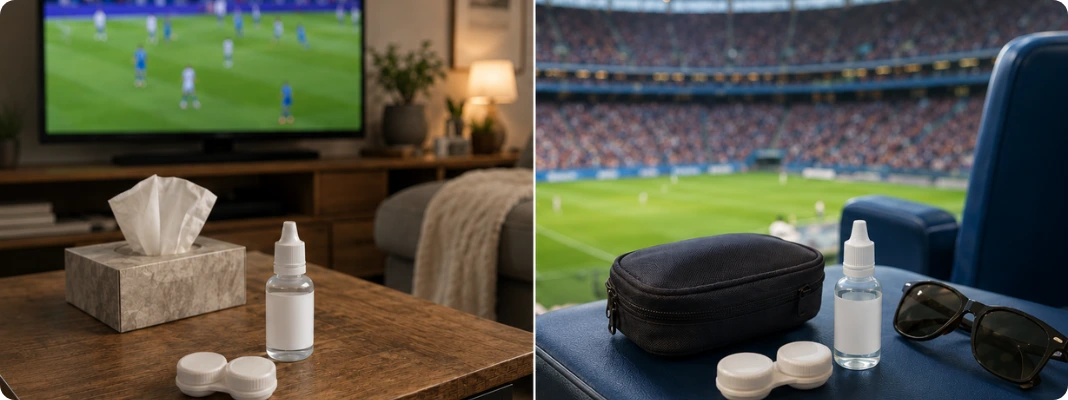
A small kit can save your match day if one lens dries out, falls, tears, or feels contaminated. Pack backup lenses, glasses, contact-safe rewetting drops, tissues, a small mirror, and a clean lens case if you wear reusable lenses. Hand sanitizer can be useful before you find a restroom, but you should still wash and fully dry your hands before touching your contacts.
If you want a deeper breakdown of heat, cold, wind, and travel conditions, this guide on how temperature affects your contact lenses is a good add-on read.
Outdoor Fan Zones, Watch Parties, and City Travel: What Can Irritate Contacts?
World Cup days do not always happen in one place. You might start in a hotel, walk through a busy host city, stop at a fan zone, ride transit, eat near the stadium, and end the night at a watch party. Each setting can expose your contacts to different irritants, so your stadium tips for contact lens wearers should also cover the hours before and after the match.
Dust, wind, and pollen
Outdoor fan festivals, city walking, transit stations, and open-air stadium areas can expose your lenses to dust, wind, and pollen. These irritants can make contacts feel scratchy, dry, or like something is stuck in your eye. Sunglasses can help block some wind and debris, but if one lens starts bothering you, remove it instead of trying to blink through the irritation all day.
Smoke, cooking fumes, and crowd environments
Tailgates, food stalls, bars, and crowded watch parties can expose your eyes to smoke, cooking fumes, and dry indoor air. These environments can make lenses feel noticeable, especially if you are already tired from traveling or wearing them longer than usual. If your contacts start to sting or blur, step away from the smoke or airflow, use contact-safe drops if appropriate, or switch to glasses.
Air conditioning and direct airflow
Air conditioning can be a hidden reason your lenses feel dry during World Cup travel. Hotel rooms, rideshares, airplanes, buses, sports bars, and fan lounges often have vents or fans blowing directly toward your face. Redirect airflow when you can, sit away from vents, and blink fully during long stretches of screen watching or indoor viewing.
If one lens feels scratchy, do not rub your eye or keep wearing it just to finish the match. Wash and dry your hands, remove the lens, inspect it for tears or debris, and rinse reusable lenses only with proper contact lens solution. If you wear daily lenses, replace the lens with a fresh one, and if discomfort continues, switch to glasses for the rest of the day.
If your plans include bars, fan zones, or smoky air, these Ash Wednesday contact lens comfort tips for smoke and incense are surprisingly useful year-round.
Water Safety: Beaches, Pools, Showers, and Hot Tubs During World Cup Travel
A World Cup trip may include more than stadiums and watch parties. If your plans include hotel pools, beaches, showers, hot tubs, or sightseeing between matches, keep your contacts away from water to reduce the risk of irritation and infection.
At the hotel: showers, sinks, and hot tubs
Remove your contacts before showering, washing your face, or using a hot tub at the hotel. Tap water and hot tub water can expose lenses to microorganisms that may stick to the lens and irritate your eye. Never rinse contacts or a lens case with hotel sink water, even if the water looks clean.
At the beach or pool: swimming with contacts
Swimming with contacts is not recommended, whether you are in a pool, lake, ocean, or water park. Water can get trapped between the lens and your eye, which may increase the risk of infection or make the lens feel tight, blurry, or uncomfortable. If you need clear vision for swimming, prescription swim goggles are a safer option.
After accidental water exposure
If water gets on your contacts, remove them as soon as you can do so safely. Throw away daily contacts right away, and clean and disinfect reusable lenses only if your lens care system allows it. Do not rinse lenses with tap water, and switch to glasses if your eyes feel red, painful, blurry, or irritated.
What to pack for water days
Pack prescription swim goggles if your World Cup plans include beaches, hotel pools, or water parks. Bring backup glasses, extra lenses, contact-safe drops, and a clean lens case if you wear reusable contacts. Planning ahead keeps you from having to choose between blurry water activities and unsafe contact lens habits.
If you’re wearing dailies on vacation days, this how to properly dispose of contact lenses guide helps you avoid risky “maybe I can reuse it” moments.
Screen Tips for Watching FIFA World Cup 2026 at Home or on Devices
Not every World Cup match happens in a stadium for you. You may be watching on a TV at home, checking highlights on your phone, following live stats on a laptop, or using multiple screens during busy match days. Long viewing sessions can make contacts feel dry, especially when you are focused on the game and blinking less than usual.
1. Use the 20-20-20 rule during match breaks.
Use natural breaks in the match to rest your eyes. Every 20 minutes, look at something about 20 feet away for 20 seconds, especially during halftime, video assistant referee checks, pregame shows, commercials, and post-match analysis. This simple habit can help reduce screen eye strain from watching soccer, especially if you are following several matches in one day.
2. Do blink resets during tense moments.
During intense plays, you may stare without realizing it. Try a quick blink reset by closing your eyes gently, then blinking slowly and fully a few times. This helps spread tears across the lens surface and can make your contacts feel more comfortable during long stretches of screen viewing.
3. Match screen brightness to the room.
A very bright screen in a dark room can make your eyes work harder. Match your TV, laptop, or phone brightness to the room, reduce glare when possible, and avoid watching from an awkward angle. If you are checking live scores on your phone while watching the main match on TV, increase the text size so you are not squinting between screens.
4. Keep fans and vents away from your face.
Air conditioning, ceiling fans, heaters, and car vents can dry your lenses faster when airflow is aimed at your face. During watch parties, try not to sit directly under a vent or in front of a fan for the whole match. If your lenses start feeling dry, use contact-safe rewetting drops if approved for your lenses, drink water, blink fully, and switch to glasses if discomfort continues.
If you want a quick explanation you can share with friends, here’s the 20-20-20 rule explained in plain terms.
Multi-Screen Viewing: How to Protect Your Eyes During Match Marathons
FIFA World Cup 2026 has 104 matches, which means plenty of days when one game, one highlight show, and one live-score app can turn into hours of screen time. If you wear contact lenses, long viewing blocks can make your eyes feel dry because you may blink less while following the ball, checking stats, or watching replays. The goal is not to stop enjoying the matches, but to make your setup easier on your eyes.
1. Pick your main match instead of watching everything.
With so many fixtures, it is tempting to keep every match, replay, and live update open at once. Choose one main match to focus on, then use your second screen only for scores, lineups, or key updates. This helps reduce constant eye movement, visual overload, and the need to refocus every few seconds.
2. Use a second screen wisely.
A second screen can be helpful, but it should not force your eyes to jump between a large TV and a tiny phone all match long. Place your phone, tablet, or laptop at a comfortable distance and avoid holding it too close to your face. If you are checking live stats, increase the text size so you can read quickly without squinting.
3. Reduce glare on TVs, laptops, and phones.
Glare can make your eyes work harder, especially when you are watching in a dark room or near a bright window. Lower the screen brightness, use soft ambient lighting, and angle your device away from reflections. For laptops or tablets, a matte screen filter may help if glare keeps bothering you during long match days.
4. Take breaks between matches.
Use the time between matches to stand up, drink water, stretch, and give your contacts a break if they feel dry. If your lenses start feeling gritty or your vision comes and goes, switch to glasses before the next kickoff instead of pushing through another full game. Small breaks can make a big difference during long World Cup viewing blocks.
Daily vs. Reusable Contacts for World Cup Travel and Watch Days
The best travel contacts for FIFA World Cup 2026 depend on your prescription, eye health, comfort needs, and wearing schedule. Some fans may prefer daily contacts for convenience, while others may already feel comfortable with reusable lenses.
Daily disposable contacts can be helpful for travel, stadiums, fan zones, sweaty days, and late-night viewing because you start with a fresh pair and throw them away after use. Reusable contacts can still work well if they fit properly, match your prescription, and are cleaned with fresh contact lens solution every time. Monthly contacts need extra care while traveling, so do not reuse old solution, top off solution already in the case, or rinse lenses or the case with water. Fresh solutions, clean hands, backup glasses, and a clean lens case matter even more when you are moving between flights, hotels, stadiums, and watch parties.
Before switching lens types for a World Cup trip or match marathon, ask your eye doctor what fits your eyes and routine best. Comfort depends on your prescription, lens material, lens fit, tear film, replacement schedule, and how long you plan to wear your lenses. Choose the option that helps you enjoy the match safely, clearly, and comfortably from kickoff to the final whistle.
Contact Lens Comfort Fixes for Long World Cup Days
A long World Cup day can start with an early flight, continue through a packed stadium or watch party, and end with late-night highlights on your phone. If you wear contact lenses, that kind of schedule can make your lenses feel dry, gritty, or harder to tolerate by the final whistle. These simple comfort fixes can help you protect your routine before your eyes start asking for a break.
1. Start the day with clean hands and fresh lenses.
Clean handling is the first step for any long match day. Wash and dry your hands before touching your lenses, especially before stadium travel, fan zones, flights, or screen marathons. If you wear daily contacts, starting with a fresh pair can be especially helpful on busy days when sweat, dust, sunscreen, and long wear time are more likely.
2. Use contact-safe rewetting drops.
If your lenses feel dry during travel, stadium time, or long viewing blocks, use drops that are clearly labeled safe for contact lenses. Regular eye drops are not always made for use while contacts are in, so check the label before applying anything to your eyes. Keep a small bottle in your match-day bag, but do not use drops as a way to push through pain, redness, or worsening irritation.
3. Stay hydrated.
Hydration will not solve every case of contact lens dryness, but dehydration can make dryness feel worse. Long flights, hot stadiums, salty snacks, caffeine, and alcohol can all make your eyes feel less comfortable by the end of the day. Keep water nearby during travel, watch parties, and outdoor events, especially if you already deal with dry eye contact concerns.
4. Shorten wear time when needed.
You do not have to wear contacts from the first match preview to the final post-game reaction. If your lenses start feeling dry, gritty, sticky, or blurry late in the day, switch to glasses and let your eyes rest. This is one of the easiest contact lens tips for game day because it protects your comfort without interrupting the experience.
5. Do not sleep in lenses after a long match day.
After a late match, watch party, or travel day, it can be tempting to fall asleep without removing your lenses. Do not sleep in contacts unless your eye doctor specifically prescribed your lenses for overnight wear. Sleeping in lenses can increase the risk of irritation or infection, especially after a long day of travel, dry air, sweat, and screen time.
5 Contact Lens Options for World Cup Travel, Stadiums, and Screen Time
There is no single contact lens that is best for every World Cup fan. Your eye doctor should confirm which lens matches your prescription, eye shape, tear film, comfort needs, and wearing schedule. Use this section as a helpful comparison guide when asking about best contacts for travel, stadium days, and long screen viewing.
| Lens Option | Best Use Case | Why It Helps | Keep in Mind |
|---|---|---|---|
| Daily disposable contacts | Travel days, stadiums, fan zones, sweaty days, and late-night viewing | You start with a fresh pair each day and throw them away after wear, which can simplify contact lens care while traveling. | They still need clean hands, safe handling, and your eye doctor’s prescription. |
| Moisture-focused daily lenses | Long screen sessions, dry airplane air, and extended watch days | These lenses may help wearers who notice dryness during long viewing blocks or travel days. | Comfort depends on the lens fit, material, and your tear film. |
| Silicone hydrogel lenses | Long days and active schedules | Silicone hydrogel materials are designed to allow high oxygen flow to the eye, depending on the specific lens. | They are not automatically more comfortable for everyone, so fitting still matters. |
| UV-blocking contact lenses | Outdoor stadiums, sunny host cities, and daytime fan events | They can add UV protection for the covered part of the eye, depending on the lens brand and class. | They do not replace sunglasses because contacts do not cover the whole eye or surrounding skin. |
| Monthly moisture-technology contacts | Regular wearers with consistent cleaning routines | They may work well for fans who already use reusable lenses and can clean them properly every night. | They need fresh solution, a clean case, and no “topping off” old solution. |
The right choice is the one that stays comfortable, matches your prescription, and fits the way you plan to watch or travel during the FIFA World Cup 2026. Before switching lens types, ask your eye doctor whether a different material, replacement schedule, or lens design would better support your travel, stadium, and screen-time routine.
What to Pack in a World Cup Contact Lens Kit
A good World Cup contact lens kit should be small enough to carry but complete enough to save your day if a lens dries out, tears, or gets uncomfortable. Think of it as your match-day backup plan for stadiums, flights, watch parties, and unexpected delays.
For Stadium Days
Pack a small stadium-ready kit that helps you handle sun, sweat, dust, dryness, and long hours away from your hotel:
- Bring extra lenses in case one lens dries out, falls, tears, or feels contaminated.
- Pack backup glasses so you can switch quickly if your eyes feel dry, red, or irritated.
- Carry contact-safe rewetting drops for dryness from heat, wind, cheering, or long wear time.
- Add tissues, a small mirror, sunglasses, and a hat for quick comfort fixes during the day.
- Bring a clean lens case if you wear reusable lenses and may need to remove them before the match ends.
For Flights and Travel Days
Keep your most important lens supplies in your carry-on or personal bag so you can reach them during flights, layovers, delays, and arrivals:
- Pack your contact lenses in your carry-on instead of relying only on checked luggage.
- Bring travel-size contact lens solution if you wear reusable lenses.
- Keep your backup glasses nearby for long flights, naps, or dry cabin air.
- Save a digital copy of your prescription in case your lenses are lost or damaged.
- Carry approved contact-safe drops for dryness during flights, rideshares, and hotel check-ins.
For Emergencies
Prepare for unexpected lens problems, eye discomfort, or travel changes before they interrupt your World Cup plans:
- Save your eye doctor’s contact information on your phone.
- Know where to seek urgent eye care at your destination.
- Bring extra daily lenses or a spare reusable pair if your prescription allows it.
- Switch to glasses if your eyes become red, painful, blurry, or sensitive to light.
- Get professional help if you cannot remove a lens safely or symptoms continue after lens removal.
When to Switch to Glasses During the World Cup
Glasses are not just a backup for lost lenses. During FIFA World Cup 2026, they can be the safest choice when your eyes need rest, your lenses feel wrong, or your plans include situations where contacts should not be worn:
- Your lenses feel dry no matter what you try. If your contacts still feel dry after blinking, using contact-safe drops, drinking water, or stepping away from direct airflow, remove them. Switching to glasses early can keep dryness from turning into scratchiness, irritation, or a painful end to your match day.
- Your eyes are red, painful, or sensitive to light. Redness, pain, and light sensitivity are warning signs, not normal game-day discomfort. Remove your contacts and contact an eye care professional if symptoms continue after removal.
- Your vision stays blurry after blinking. Temporary blur can happen when lenses feel dry, but vision that stays blurry is different. Switch to glasses if blinking, contact-safe drops, or checking the lens does not clear your vision.
- You are sleeping, swimming, showering, or using a hot tub. Remove your contacts before naps, flights, hotel showers, pool time, beach days, and hot tubs. Sleep and water exposure can increase the risk of irritation or infection.
- You cannot remove a lens safely. If a lens feels stuck, do not dig at your eye or keep pinching harder. Use contact-safe rewetting drops if available, blink gently, and seek professional help if the lens still will not move or removal hurts.
When in doubt, switch to glasses and give your eyes a break so you can keep enjoying the tournament safely and comfortably.
When Contact Lens Wearers Should See an Eye Doctor
Most game-day contact lens discomfort is mild and temporary, but some symptoms should never be treated as normal dryness. If your eye hurts, your vision changes, or irritation continues after removing your lenses, it is safer to get professional care instead of waiting until the tournament, trip, or watch party is over.
Eye pain
Eye pain is not something to push through just because the match is still going. Remove your lenses right away and switch to glasses. If the pain continues after removal, call an eye doctor as soon as possible.
Worsening redness
Mild redness can happen after a long day, but redness that gets worse is a warning sign. It may point to irritation, inflammation, a lens problem, or an infection. Stop wearing your contacts until your eye feels normal or an eye care professional tells you it is safe to wear them again.
Discharge or swelling
Discharge, swelling, crusting, or unusual watering should be taken seriously. These symptoms can be signs that your eye is irritated or infected. Do not put your lenses back in to “test” whether they feel better.
Light sensitivity
If bright light suddenly feels painful or uncomfortable, remove your contacts. Light sensitivity can be connected to corneal irritation or inflammation. This is especially important if it comes with pain, redness, blurry vision, or a feeling that something is stuck in your eye.
Blurry vision that does not clear
Temporary blur may happen when lenses feel dry, but blurry vision that does not clear after blinking is different. Remove the lens, check it for damage or debris, and switch to glasses. If your vision stays blurry after removing your contacts, get eye care quickly.
A lens that feels stuck
If a lens feels stuck, do not dig at your eye or keep pinching harder. Use contact-safe rewetting drops if available, blink gently, and try again with clean, dry hands. If the lens will not move or removal hurts, stop trying and seek professional help.
Symptoms after water exposure
If you wear contacts while swimming, showering, or using a hot tub and your eye becomes red, painful, blurry, or sensitive to light, remove the lenses and call an eye doctor. Water exposure can introduce harmful microorganisms to contact lenses. Even if symptoms seem mild at first, it is better to act early than risk a more serious problem.
Match-day irritation can sometimes involve the cornea, the clear front surface of the eye. Corneal problems can become serious quickly, especially when contact lenses, water exposure, or ongoing pain are involved. Early care is safer than waiting until your trip ends or hoping symptoms disappear on their own.
Quick World Cup Contact Lens Safety Checklist
Use this quick checklist before flights, stadium days, fan zones, and long screen-viewing sessions. A few simple habits can help you protect your comfort while enjoying the FIFA World Cup 2026.
Before You Travel
- Confirm your contact lens prescription before the trip.
- Pack extra lenses for delays, damage, or lost pairs.
- Bring backup glasses for flights, late nights, and eye breaks.
- Carry contact-safe drops for dryness during travel or screen time.
- Keep a digital prescription copy on your phone.
On Travel Days
- Keep essential lens supplies in your carry-on or personal bag.
- Follow airport liquid rules for contact lens solution.
- Avoid sleeping in contacts unless your lenses are prescribed for overnight wear.
- Use glasses if dry cabin air makes your contacts uncomfortable.
At The Stadium
- Wear sunglasses and a hat for sun, glare, wind, and dust.
- Keep sweat and sunscreen away from your eyes.
- Do not rub your eyes if your lenses feel gritty or itchy.
- Remove your lenses if they hurt, sting, blur your vision, or feel contaminated.
During Screen Viewing
- Blink fully and often during long matches.
- Use the 20-20-20 rule during halftime, replays, commercials, and match breaks.
- Reduce glare on TVs, laptops, tablets, and phones.
- Keep vents, fans, and direct airflow away from your face.
- Switch to glasses if dryness builds or your lenses start feeling scratchy.
Keep Your Eyes Game-Ready for FIFA World Cup 2026
FIFA World Cup 2026 will bring long travel days, stadium heat, outdoor fan zones, crowded watch parties, and extended screen time, all of which can affect contact lens comfort. The smartest routine is simple: pack extra lenses, keep your contacts away from water, protect your eyes outdoors, manage screen dryness, and switch to glasses when your eyes need rest. With the right contact lens care, you can focus on the match instead of dry, gritty, or irritated lenses. Ready to prepare for every match day, flight, and watch party? Browse contact lenses and choose options that match your eye doctor’s prescription, comfort needs, and wearing schedule.
FAQs About FIFA World Cup 2026 and Contact Lenses
Can I wear contacts to a World Cup stadium?
Yes, you can wear contacts to a World Cup stadium if your lenses are prescribed for you and comfortable for long wear. Contacts can be helpful for seeing the field, scoreboard, and crowd movement without glasses slipping or fogging. Bring backup glasses and remove your lenses if your eyes become red, painful, dry, blurry, or irritated.
Are daily contacts better for World Cup travel?
Daily contacts can be convenient for World Cup travel because you start with a fresh pair each day and throw them away after wear. They can be helpful for flights, stadium days, fan zones, sweaty weather, and late-night watch parties because you do not need to clean and store the same pair overnight. They are not automatically the best choice for everyone, so your eye doctor should confirm whether daily lenses fit your prescription, eye shape, tear film, and wearing schedule.
Can I bring contact lens solution on a plane?
Yes, you can bring contact lens solution on a plane, but you should follow airport liquid rules and pack it carefully. Keep your most important contact lens travel supplies in your carry-on or personal bag, including lenses, glasses, a lens case, approved drops, and travel-size solution if you use reusable lenses. If you bring a larger bottle, be ready to follow screening instructions at security.
Why do my contacts feel dry during long games?
Your contacts may feel dry during long games because you blink less when you are focused on the match. Dry indoor air, air conditioning, long wear time, screen viewing, caffeine, alcohol, and salty snacks can make lens dryness feel worse. If your lenses feel sticky, gritty, or blurry, blink fully, use contact-safe rewetting drops if appropriate, drink water, and switch to glasses if dryness continues.
What should I do if sweat gets in my contacts?
Do not rub your eyes if sweat gets near your contacts. Wash and dry your hands, then remove the lens if it stings, blurs, or feels contaminated. Rinse reusable lenses only with proper contact lens solution, replace daily lenses with a fresh pair, and switch to glasses if your eye still feels irritated.
Can I swim or shower with contacts during my trip?
No. Remove contacts before swimming, showering, using a hot tub, or getting water in your eyes. Water can expose lenses to microorganisms and increase the risk of serious eye infection, so glasses or prescription swim goggles are safer options for water activities.
Should I wear sunglasses with contacts at outdoor matches?
Yes, sunglasses are a smart choice for outdoor matches, fan zones, and sunny host cities. They help protect the whole eye area from UV rays, glare, wind, dust, and debris. Even if your contacts have UV-blocking features, they do not replace sunglasses because contacts do not cover the entire eye or the surrounding skin.
Can I sleep in contacts after a late World Cup match?
No, do not sleep in contacts after a late match unless your eye doctor specifically prescribed your lenses for overnight wear. Falling asleep in lenses can increase the risk of irritation, dryness, and infection. If you are exhausted after travel, a watch party, or a stadium day, remove your lenses first and use glasses.
What if my contact lens feels scratchy in one eye?
Remove the lens instead of rubbing your eye or trying to blink through the discomfort. Inspect the lens for tears, debris, dryness, or damage, then rinse reusable lenses with proper solution or replace daily lenses with a fresh pair. If the scratchy feeling continues after the lens is out, switch to glasses and contact an eye care professional if symptoms do not improve.
When should I stop wearing contacts and get help?
Stop wearing contacts and seek care if you have eye pain, worsening redness, discharge, swelling, light sensitivity, or vision changes. You should also get help if a lens feels stuck, your vision stays blurry after removal, or symptoms begin after water exposure. Do not wait until the match, trip, or tournament is over if your eye feels seriously irritated.
Disclaimer: This content is for general informational purposes only and is not a substitute for professional advice, diagnosis, or treatment.
References
World Cup 2026 | Match schedule, fixtures & stadiums. FIFA. https://www.fifa.com/en/articles/match-schedule-fixtures-results-teams-stadiums. Date Accessed: June 3, 2026.
Travel Tips for People Who Wear Contact Lenses. Centers for Disease Control and Prevention. https://archive.cdc.gov/www_cdc_gov/contactlenses/traveler-tips.html.Date Accessed: June 3, 2026.
Ocular effects of exposure to low-humidity environments with contact lens wear: A pilot study. Megan Vaughan et al. (PubMed, National Library of Medicine). https://pubmed.ncbi.nlm.nih.gov/38551074/. Date Accessed: June 3, 2026.
Protecting your eyes from the sun’s UV light. National Eye Institute (National Institutes of Health). https://www.nei.nih.gov/research-and-training/research-news/protecting-your-eyes-suns-uv-light. Date Accessed: June 3, 2026.
Digital Eye Strain – A Comprehensive Review. Kirandeep Kaur et al. (Ophthalmology and Therapy / PubMed, National Library of Medicine). https://pubmed.ncbi.nlm.nih.gov/35809192/. Date Accessed: June 3, 2026.
Related Articles
-

Think You’re Cleaning Your Contact Lenses Properly? Think Again
-

How to Transition from Glasses to Contact Lenses: A Beginner’s Guide
-

What Should You Look for in Contact Lenses for an Active Spring Season?
-

Why Do My Eyes Itch During Spring? Tips for Contact Lens Wearers
-

Halloween Contact Lens Do’s and Don’ts Every Wearer Should Know