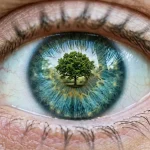
Spring feels lighter and brighter. You spend more time outside. Sunlight lasts longer. The air shifts.
And your eyes notice all of that.
If your vision feels slightly drier or your contact lenses feel different this time of year, there is a reason. Seasonal changes affect tear stability, allergy levels, and light exposure. Studies show that more than 30 percent of contact lens wearers experience increased dryness during seasonal transitions. Nearly one in four adults report spring eye allergy symptoms.
The goal is not to overhaul your routine. It is to make smart adjustments that protect your comfort and clarity before irritation builds.
We’ve prepared a guide that walks you through exactly how to do that.
What Actually Changes for Your Eyes in Spring?
During winter, indoor heating lowers humidity and increases tear evaporation. Many people also spend more hours on screens, which reduces blink frequency.
When spring arrives, new stressors appear:
| Seasonal Shift | What It Means for You |
|---|---|
| Higher pollen counts | Itching and redness |
| Stronger UV exposure | Light sensitivity and glare |
| Wind and outdoor air | Faster tear evaporation |
| Continued screen use | Increased dryness |
Eye Comfort Tips To Build a Strong Foundation for Spring
Your eyes are adjusting to a new environment. Here are proactive tips to keep your winter-to-spring transition smooth.
1. Strengthen Your Tear Film First
Your tear film is the foundation of clear and comfortable vision. When it becomes unstable, contact lenses may feel dry or inconsistent.
Start here:
- Use preservative free artificial tears once or twice daily
- Increase water intake to support natural tear production
- Use a humidifier in dry indoor spaces
- Practice full blinking during screen use
Improving hydration habits has been shown in ophthalmology research to significantly reduce dry eye symptoms. Many people notice better comfort within days of consistent care.
2. Evaluate Whether Your Contact Lenses Fit the Season
Spring allergens can attach to reusable lenses. If your eyes feel more irritated than usual, your lens type may need a seasonal adjustment.
Daily disposable lenses provide a fresh surface every morning. Options available through Contacts America include:
- Acuvue Oasys 1-Day with HydraLuxe
- Dailies Total 1
- MyDay Daily Disposable
If you prefer monthly lenses, silicone hydrogel materials allow more oxygen to reach your eyes. Examples include:
- Biofinity
- Air Optix plus HydraGlyde
The focus is comfort and clarity. The right material can reduce midday dryness and help your eyes feel more stable.
3. Stay Ahead of Allergy Irritation
About one in four adults experience seasonal eye allergies each year. You may notice itching, watering, or redness.
You can reduce flare ups by:
- Wearing wraparound sunglasses outdoors
- Washing your hands before handling lenses
- Removing lenses earlier on high pollen days
- Using contact lens compatible allergy drops
Managing exposure early protects your comfort and supports clearer vision.
4. Protect Your Eyes From Stronger UV Light
UV exposure increases as daylight hours expand. Long term exposure is associated with cataracts and other ocular conditions.
Protect yourself with:
- Sunglasses that block 100 percent of UVA and UVB rays
- Polarized lenses to reduce glare
- Contact lenses that include UV blocking technology when available
- Hats during extended outdoor activity
Layered protection improves both comfort and long term eye health.
5. Refresh Your Lens Hygiene Routine
Spring is a good time to reassess your habits.
Follow these essentials:
- Replace your lens case every one to three months
- Use fresh multipurpose solution daily
- Rub and rinse lenses even if labeled no rub
- Follow your prescribed replacement schedule precisely
Clean lenses reduce protein buildup and allergen accumulation. That translates to clearer and more comfortable wear.
6. Reduce Digital Eye Strain
Longer days often mean more screen exposure. Reduced blinking increases tear evaporation.
Support your eyes by:
- Following the 20 20 20 rule
- Keeping screens slightly below eye level
- Maintaining proper lighting
- Using lubricating drops when needed
Research suggests structured screen breaks can reduce digital eye strain symptoms by up to 40 percent.
7. Schedule a Spring Eye Exam
Even small prescription changes affect clarity and comfort. A comprehensive eye exam allows you to confirm that your lenses still meet your needs.
An exam helps you:
- Detect subtle vision changes
- Evaluate lens fit and material
- Address allergy related irritation
- Assess overall eye health
Preventive care supports long term comfort and confidence.
Your Spring Eye Care Checklist
Consistency protects comfort. Use this checklist as a quick weekly reset to keep your eyes clear, hydrated, and ready for the season. Save it or print it so it becomes part of your routine.
Spring Eye Care Weekly Reset
Track these weekly eye care actions to maintain comfort and healthy vision.
| ✔ | Action | Frequency | Notes |
|---|---|---|---|
| Use preservative free artificial tears as needed | As needed | Keep within reach at desk or bedside | |
| Stay hydrated to maintain tear stability | Daily | Aim for 6-8 glasses of water | |
| Follow the 20 20 20 rule to reduce digital strain | Daily | Every 20 minutes, look 20 ft away for 20 sec | |
| Wear UVA/UVB blocking sunglasses outdoors | Daily | Especially when outdoors >10 min | |
| Wash and dry hands before handling lenses | Daily | Before insertion or removal | |
| Replace lens case every 3 months | Quarterly | Mark replacement date on calendar | |
| Use fresh solution daily, discard old solution | Daily | Never top off old solution | |
| Check daily lens comfort and note seasonal changes | Daily | Record any discomfort or dryness | |
| Confirm next comprehensive eye exam is scheduled | Weekly | Call your eye doctor if due |
Your Spring Eye Questions Answered
Helpful answers about seasonal eye care and contact lens comfort to keep your vision clear this spring.
See the Season Clearly
You deserve to experience spring without irritation or fluctuating vision. With targeted adjustments and consistent care, your eyes can stay comfortable, clear, and ready for every bright day ahead.
If you need guidance choosing lenses or understanding which options support your seasonal needs, Contacts America provides access to trusted brands and reliable information so you can make informed decisions with confidence.
Quick Tips for Spring Eye Health
| Tip | Why It Matters | How to Do It |
|---|---|---|
| Stay Hydrated | Reduces dryness and irritation | Drink water and use artificial tears |
| Upgrade Lens Type | Less pollen buildup | Try daily disposables or high-oxygen lenses |
| Maintain Hygiene | Prevents infection | Replace lens case and use fresh solution |
| Limit Screen Strain | Reduces fatigue | Follow 20-20-20 rule and adjust screen lighting |
| Protect Outdoors | Blocks allergens and UV | Wear sunglasses or wrap-around glasses |
Related Articles
-

The 20-20-20 Rule Explained: Does It Really Help Your Eyes?
-
Understanding Contact Lens Prescription: Glossary, Tips, and Recommendations
-

The Ultimate Guide to Safe Contact Lens Removal: Key Dos and Don’ts
-

How American Office Workers Can Reduce Dry Eyes From Screens and AC
-
Can You Wear Contact Lenses If You Have Cataracts?