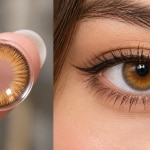
For millions of people, a cup of coffee is part of their morning routine. A quick espresso before work or an afternoon iced latte can help people stay alert and focused. Coffee is also a favorite companion during long working hours, study sessions, and other everyday activities. Yet, could your daily coffee habit affect how comfortable your contact lenses feel?
Some people associate caffeine with dehydration and dry eyes, raising concerns about its effects on contact lens wear. The relationship between caffeine, tear production, and eye comfort isn’t as straightforward as it seems. Individual sensitivity, existing eye conditions, and daily habits can influence how the eyes respond to caffeine. Exploring these connections can help you separate common misconceptions from actual eye health concerns.
How Does Caffeine Affect Your Eyes?
Caffeine is a natural stimulant that affects the central nervous system, increasing alertness and temporarily reducing feelings of fatigue. It’s commonly found in coffee, tea, energy drinks, and certain medications. Caffeine also has a mild diuretic effect, but moderate coffee consumption doesn’t necessarily cause dehydration, especially among people who regularly consume caffeinated beverages. The fluid in coffee contributes to daily hydration, making its effects on the body more complex than many people assume.
Interestingly, research suggests that caffeine can temporarily increase tear production rather than reduce it. A 2012 study published in Ophthalmology found that participants produced more tears after consuming caffeine compared with a placebo. Responses varied by individual genetic differences, suggesting caffeine doesn’t affect everyone’s eyes the same way. These findings don’t establish that drinking coffee improves dry eye symptoms or contact lens comfort. Additional research is needed to determine how caffeine influences long-term tear film quality and ocular surface health.
Can Coffee Make Contact Lenses Uncomfortable?
Drinking coffee doesn’t directly make contact lenses uncomfortable for most people. Contact lens comfort depends heavily on the tear film, a thin layer of moisture that protects the eye’s surface. This film helps keep lenses lubricated, supports clear vision, and reduces friction between the lenses and eyelids. Disruptions in the tear film can lead to dryness, irritation, and fluctuating vision throughout the day.
Caffeine can influence tear production, but producing more tears doesn’t necessarily mean better lubrication. Tear quality, evaporation rate, and lens fit also affect how comfortable contacts feel. Someone experiencing dryness after drinking coffee could be dealing with other contributing factors rather than caffeine itself. Paying attention to wearing habits and environmental conditions can help identify the actual source of discomfort.
Factors That Affect Contact Lens Comfort
Everyday habits and environmental conditions can contribute to contact lens discomfort, regardless of caffeine consumption. Recognizing these factors can help wearers make practical adjustments to their daily routines.
- Staring at computers and smartphones for extended periods can reduce blinking frequency, allowing tears to evaporate more quickly and increasing dryness.
- Air conditioning, heating systems, and low humidity can increase tear evaporation, making contact lenses feel dry or uncomfortable.
- Different contact lens materials have varying moisture characteristics and oxygen permeability, which can influence comfort throughout the day.
- Wearing contacts longer than recommended can contribute to irritation, dryness, and other complications associated with improper lens use.
- Deposits, improper cleaning, and missed replacement schedules can affect the lens surface, increasing the risk of discomfort and eye irritation.
Identifying these factors is often more useful than eliminating coffee from your daily routine. Small changes to your environment and contact lens habits can improve your overall wearing experience.
Coffee vs. Other Caffeinated Drinks and Their Effects on Eye Comfort
Coffee isn’t the only source of caffeine. Tea, espresso, and energy drinks contain varying amounts, depending on their preparation and serving sizes. The total amount consumed throughout the day can also influence how your body responds to caffeine. Comparing common beverages can help you manage your caffeine intake without making unnecessary changes to your contact lens routine.
| Beverage | Approximate Caffeine Content | Considerations for Eye Comfort |
|---|---|---|
| Brewed coffee (8 oz) | 80–100 mg | Moderate intake isn’t established as a direct cause of contact lens dryness. |
| Espresso (1 oz shot) | 60–65 mg | Contains concentrated caffeine in a smaller serving. |
| Black tea (8 oz) | 40–50 mg | Generally contains less caffeine than brewed coffee. |
| Green tea (8 oz) | 20–45 mg | Typically contains lower amounts of caffeine. |
| Energy drinks | Varies widely | Some products contain high caffeine levels per container. |
Note: Caffeine values are approximate and vary by brand, preparation method, and serving size.
According to the U.S. Food and Drug Administration (FDA), up to 400 milligrams of caffeine daily isn’t generally associated with negative effects for most healthy adults. Individual tolerance varies, and some people need lower amounts due to medical conditions, medications, pregnancy, or caffeine sensitivity. Excessive caffeine consumption can also contribute to sleep disturbances, nervousness, and an increased heart rate. This recommendation isn’t a specific guideline for eye health or contact lens wear.
5 Ways to Keep Your Contact Lenses Comfortable While Enjoying Coffee
You don’t necessarily need to give up your favorite coffee to maintain comfortable vision. A few adjustments to your daily routine can support eye health while allowing you to enjoy caffeinated beverages in moderation. These habits can also help reduce common sources of contact lens irritation that aren’t directly related to caffeine.
1. Drink Enough Water Throughout the Day
Maintain adequate fluid intake throughout the day, particularly during hot weather or physical activity. Coffee contributes to your daily fluid intake, but water is still a practical choice for staying hydrated. Drinking more water isn’t a guaranteed treatment for dry eyes, though avoiding dehydration supports overall health. Keeping a water bottle nearby can help you maintain consistent drinking habits during busy days.
2. Take Regular Breaks From Digital Screens
Long hours in front of a computer can contribute to contact lens dryness because people tend to blink less frequently while concentrating. Follow the 20-20-20 rule by looking at something 20 feet away for 20 seconds every 20 minutes. Remember to blink fully to help spread tears across your eyes. Adjusting your screen position and reducing direct airflow toward your face can also help limit dryness.
3. Follow Your Contact Lens Replacement Schedule
Replacing your contact lenses as directed helps limit deposits and maintain proper lens performance. Daily disposables should be discarded after each use, while reusable lenses require appropriate cleaning and storage. Follow your eye care professional’s recommended wearing schedule, even when your lenses still feel comfortable. Using fresh lenses according to their prescribed replacement schedule also helps reduce the risk of eye infections.
4. Use Contact Lens-Compatible Rewetting Drops
Rewetting drops approved for use with contact lenses can temporarily relieve mild dryness and irritation. Choose products specifically labeled as compatible with your lens type, and follow your eye care professional’s recommendations. Some artificial tears aren’t intended for use while lenses remain in your eyes. Persistent dryness despite using appropriate drops should be evaluated by an eye doctor.
5. Pay Attention to Changes in Eye Comfort
Notice when your contacts feel dry, particularly after extended screen time, prolonged lens wear, or exposure to air conditioning. Tracking these patterns can help identify possible triggers. Persistent discomfort deserves an eye examination rather than assuming caffeine consumption is responsible for the symptoms. Keeping a simple record of your daily activities and symptoms can make it easier to discuss recurring problems with your eye care professional.
When Should Contact Lens Wearers See an Eye Doctor?
Occasional mild dryness can occur during contact lens wear, but persistent or worsening symptoms shouldn’t be ignored. Some symptoms can indicate an eye infection, corneal injury, or another condition requiring prompt medical attention. Recognizing these warning signs early can help prevent complications and protect your vision.
Remove your contact lenses and contact an eye doctor immediately when you experience any of the following:
- Persistent eye redness that develops suddenly, worsens, or accompanies irritation can indicate inflammation or infection.
- Significant eye pain, especially when it continues after lens removal, requires professional evaluation.
- Sudden blurry vision or unexpected changes in eyesight can indicate problems involving the cornea or other eye structures.
- Increased sensitivity to light, particularly alongside pain or redness, can signal a serious eye condition.
- Excessive tearing or unusual discharge can accompany irritation or infection and should be evaluated promptly.
Avoid wearing contact lenses again until your eye doctor confirms that it’s safe. Having backup prescription glasses available makes it easier to stop wearing lenses when necessary. Don’t attempt to treat serious symptoms by simply changing your coffee intake or switching contact lens products without professional guidance.
Enjoy Your Coffee Without Compromising Contact Lens Comfort
Coffee and contact lenses can generally be part of the same daily routine. Current research doesn’t establish moderate caffeine consumption as a direct cause of contact lens discomfort, and some studies suggest caffeine can temporarily increase tear production. Healthy tears, proper lens care, and an appropriate fit remain important for comfortable wear. Paying attention to your daily habits can help you identify factors that influence how your lenses feel.
At Contacts America, you can explore a wide selection of prescription contact lenses from trusted brands. Finding the right lenses involves considering your vision needs, wearing schedule, and individual eye health. Work with your eye care professional to select contact lenses suited to your eyes and lifestyle.
Disclaimer: This article is for informational purposes only and isn’t intended as medical advice. Consult your eye care professional about contact lens discomfort, persistent dryness, or vision changes.
Related Articles
-

‘Eye Love You’: 5 Best Contact Lenses for Your Beloved This Valentine’s Day
-
Breakthrough in Ocular Medicine: 3D-Printed Contact Lenses that Deliver Medication
-

Holiday 2024 Guide: 10 Eye-Friendly Gifts for Your Loved Ones
-

Myokymia or Eye Twitching: Symptoms, Causes, and Treatment
-

How to Clean Your Contact Case Correctly (And When to Replace It)