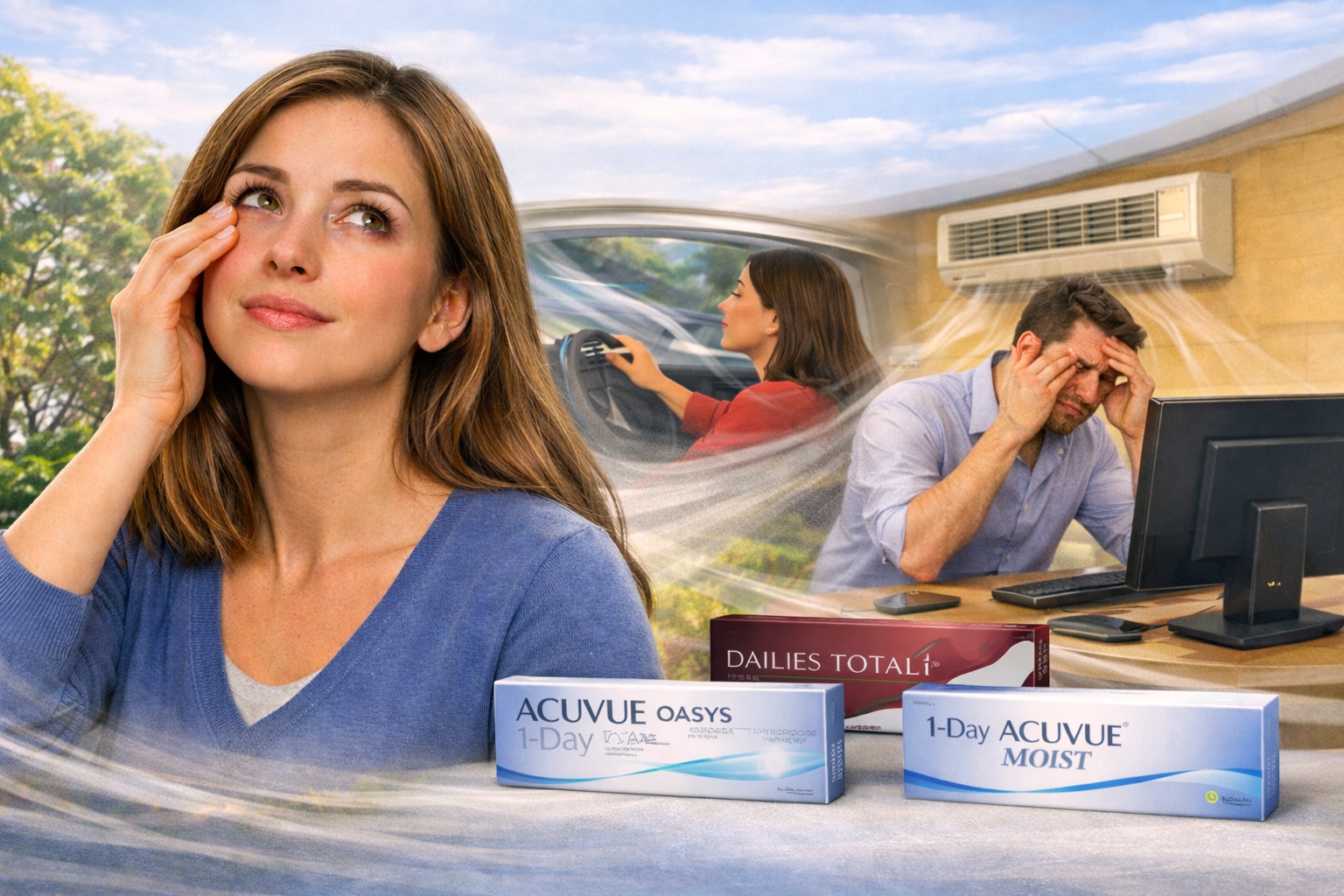
Modern American life is moving at a breakneck pace. A staggering 8.4 million Americans are working multiple jobs, while over 32% of the workforce is balancing the blurred lines of working from home. The result? We are constantly juggling screen time, commutes, family duties, and side gigs all within the same 24 hours.
For a contact lens wearer, you don’t just need clear vision. You need a lens that can keep up with you. Daily disposables offer the ultimate toss-and-go convenience with zero maintenance. Monthly lenses provide a budget-friendly rhythm for those who don’t mind a nightly cleaning ritual.
For multi-job workers, busy parents, or double-shifters, you would want a contact lens that keeps up with your schedule. We compare comfort, total cost, dry-eye solutions, and subscription delivery options of dailies and monthlies so you can make the smartest, fastest choice for your eyes and your wallet.
What Are Daily Contact Lenses?
Daily contacts are one-and-done solutions for a packed schedule. The concept is simple: you wear a fresh pair for the day, and toss them out before you sleep. They aren’t designed for cleaning, overnight wear, or reuse.
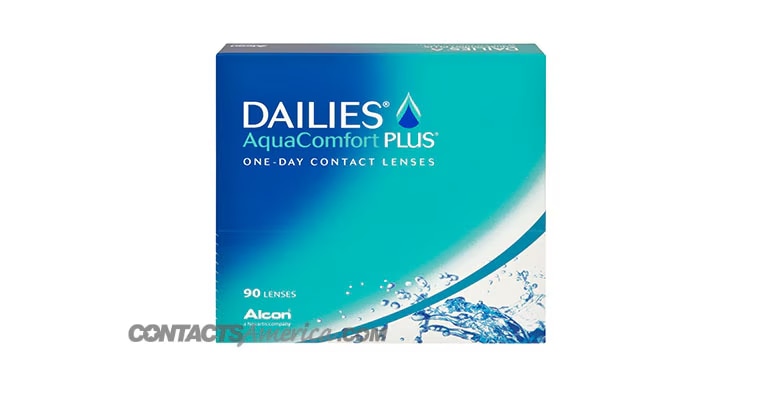
- Daily contacts are replaced after each wearing day, even if you only wear them for a few hours.
- Depending on the brand or product, they come in hydrogel and silicone hydrogel materials
- Some daily contacts have higher water content. Others allow more oxygen to flow through the lens material.
- Daily lenses can include moisture-focused features, surface treatments, thin edge designs, or UV-blocking features.
- They’re available for nearsightedness, farsightedness, astigmatism, and presbyopia.
- Daily contacts can come in different pack sizes, such as 30-packs and 90-packs.
- Prescription details can include sphere, base curve, diameter, cylinder, axis, or ADD values, depending on the lens type.
What Are Monthly Contact Lenses?
Monthly contact lenses are designed for the long haul. They offer a budget-friendly option for full-time wearers. Instead of tossing them nightly, you reuse the same soft pair for about 30 days according to your eye doctor’s timeline.
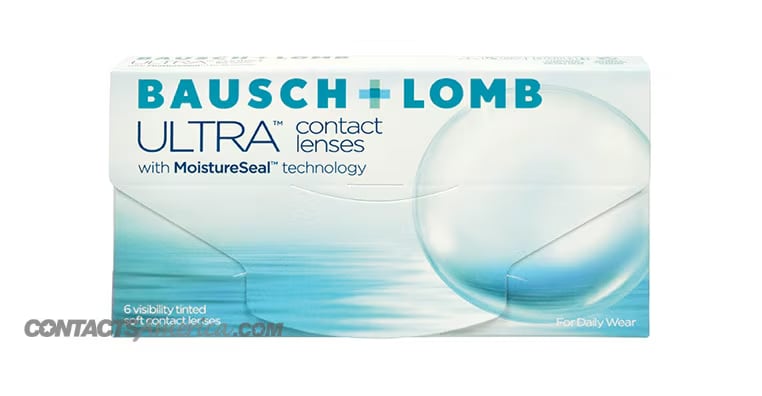
- Monthly contacts are reused for multiple days within the approved replacement schedule.
- They come in hydrogel and silicone hydrogel materials, depending on the lens.
- Some monthly lenses have surface treatments, moisture-retaining features, or deposit-resistant designs.
- Monthly contacts are available for nearsightedness, farsightedness, astigmatism, and presbyopia.
- Some monthly lenses are approved for daily wear only. Select lenses may be approved for extended or overnight wear, but only when prescribed.
- Lens care products are part of monthly lens use. These include contact lens solutions and a clean storage case.
- Prescription details can include sphere, base curve, diameter, cylinder, axis, or ADD values, depending on the lens type.
Daily Vs Monthly Contacts For Busy Americans
Dailies or monthlies? Neither lens is universally better. It all comes down to which one yields the highest return on your time and money. You can figure out exactly where your schedule, finances, and eye comfort align using the table below.
| Comparison Point | Dailies | Monthlies |
|---|---|---|
| Best for | Busy wearers who want a fresh pair each day and a less stringent cleaning routine | Contact lens wearers who can follow a cleaning and replacement routine. |
| Main benefit | Fresh lens every day with no need to store or clean the same pair | Lower cost per wear for people who wear contacts on most days |
| Convenience for packed schedules | Simple for early mornings, late nights, gym bags, travel, and unpredictable workdays | Works well with people with steady routines and are diligent with nightly lens care |
| Cleaning and maintenance | No cleaning or storage needed after wear | Requires cleaning, disinfecting, and proper storage after each use |
| Comfort during long screen days | A fresh pair each day can help reduce buildup from the previous day. | Comfort depends on the lens material, moisture features, cleaning habits, and wear time. |
| Travel and commuting | Easy to pack in single pairs, though longer trips can require more lenses | Fewer lenses to pack, but you’ll also need bottles of cleaning solution and a clean case |
| Cost over time | Costs more over time because you use a new pair each day | Usually costs less per year, but solution and cases add to the total cost |
| Replacement habits | Simple replacement schedule because each pair is thrown away after one day | Requires tracking the 30-day replacement window |
| Risk of overwearing | Virtually none when used correctly because lenses are discarded daily | Higher if you forget the start date, stretch wear past 30 days, or skip proper care |
Daily Contacts Are Best For These Busy People

- Desk and office professionals facing back-to-back meetings and heavy screen time without wanting to worry about lens buildup.
- Healthcare and shift workers powering through grueling 12-hour shifts where a fresh pair of lenses before clocking in makes all the difference.
- Retail and hospitality staff constantly moving between bright sales floors, dusty stockrooms, and long standing hours.
- Logistics and warehouse workers navigating busy floors, packing areas, dust, and rapidly changing temperatures.
- Drivers, couriers, and truckers demanding crisp, reliable vision during long commutes, rideshare shifts, or delivery routes.
- Freelancers and side-hustlers splitting time between home offices, client sites, and coffee shops on unpredictable schedules.
- Busy parents craving a low-maintenance eye care routine during chaotic mornings and late-night bedtimes.
- Multi-job workers navigating constantly shifting start times, end times, and zero routine stability.
- Fitness enthusiasts needing lenses that seamlessly transition from the office straight into intense workouts or sports.
- First-time wearers: Wanting the easiest possible learning curve without the stress of a multi-step cleaning routine.
Monthly Contacts Are Best For These Busy Folks

- Corporate professionals wearing contacts through regular office days, client calls, and weekly meetings, especially when the lens routine is predictable.
- Teachers and school staff moving through repeat classroom schedules, lesson plans, and school days with a predictable lens routine in an academic month.
- Government and administrative workers following stable weekday hours that make it easier to clean lenses at night and replace them on schedule.
- College students and graduate students who wear contacts for classes, labs, internships, and study sessions while tracking lens care as part of a regular routine.
- Sales representatives and account managers Using contacts for recurring client visits, presentations, and travel days while planning replacements ahead of time.
- Business owners and store managers who wear contacts most days while balancing floor work, paperwork, meetings, and customer-facing tasks.
- Hybrid workers splitting the week between home and office while keeping the same pair in rotation for the month.
- Contact lens wearers with stable prescriptions who are wearing the same prescribed lens type when the fit, comfort, and replacement schedule already work well.
- Daily contact lens wearers who want to switch to monthlies to cut costs.
- Full-time contact lens wearers using contacts nearly every day and wanting a replacement schedule that fits their routine, planned wear.
How Subscription Ordering Helps Busy Contact Lens Wearers
When your schedule is a non-stop sprint, automating your contact lenses gives you one less moving part to track. By setting up planned refills, you actively gain these benefits:
Daily Or Monthly Contacts, Which Should You Buy?
Do you want to save time, or do you want to save money?
Go with daily contacts if you want ultimate convenience, zero cleaning steps, and a hassle-free lens that easily adapts to shifting shifts, travel, and intense workouts.
Choose monthly contacts if you wear lenses full-time, want to maximize your budget, and can easily slot a quick disinfecting routine into your bedtime habits.
Don't overcomplicate your eye care. Head over to Contacts America today to browse daily and monthly options that protect your vision without slowing down your schedule.
Frequently Asked Questions
-
No. You need an updated contact lens prescription for the exact monthly lens your eye doctor approves. Even if the prescription power is the same, the material, fit, base curve, and wearing schedule can differ.
-
Some are, but not always. Both daily and monthly contacts can be made from hydrogel or silicone hydrogel, but each product has its own material, oxygen flow, water content, and surface design.
-
Yes, but insert your contacts before applying makeup and remove them before taking makeup off. Avoid letting mascara, eyeliner, setting spray, or makeup remover touch your lenses.
-
Yes. Contact lenses have expiration dates printed on the box or blister pack. Do not wear expired lenses even if the packaging looks sealed.
-
Remove them right away and check for damage, debris, dryness, or redness. If discomfort continues, stop wearing the lenses and contact your eye doctor before trying again.
References
The Employment Situation — April 2026. U.S. Bureau of Labor Statistics. https://www.bls.gov/news.release/archives/empsit_05082026.pdf. Published May-08-2026. Date accessed May 29, 2026.
American Time Use Survey — 2024 Results. U.S. Bureau of Labor Statistics. https://www.bls.gov/news.release/archives/atus_06262025.pdf. Published June-26-2025. Date accessed May 29, 2026.
About Contact Lens Types. Centers for Disease Control and Prevention. https://www.cdc.gov/contact-lenses/about/about-contact-lens-types.html. Published May-27-2025. Date accessed May 29, 2026.
Types of Contact Lenses. U.S. Food and Drug Administration. https://www.fda.gov/medical-devices/contact-lenses/types-contact-lenses. Published/Updated January-16-2018. Date accessed May 29, 2026.
Contact Lens Prescription. U.S. Food and Drug Administration. https://www.fda.gov/medical-devices/contact-lenses/contact-lens-prescription. Published/Updated October-28-2020. Date accessed May 29, 2026.