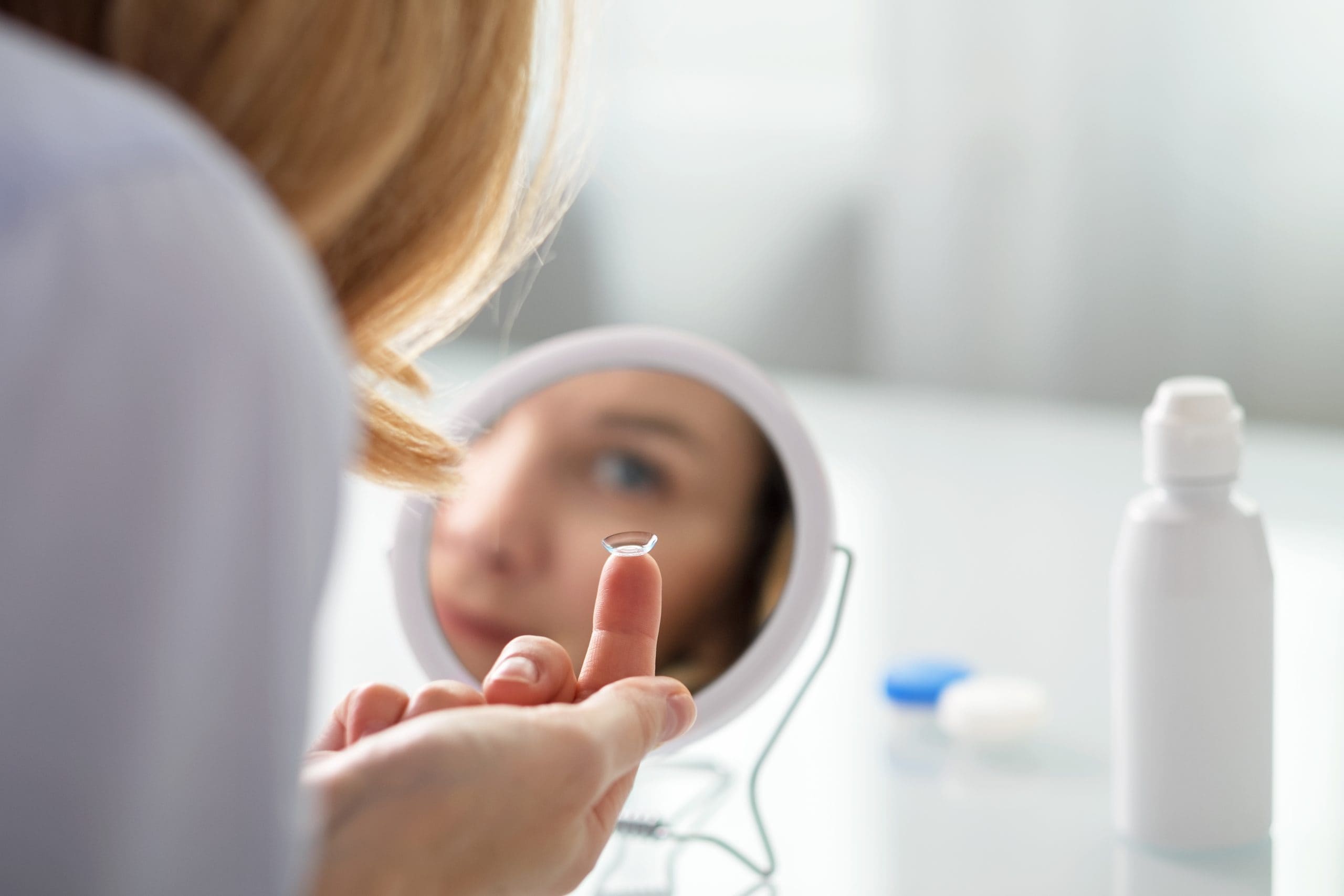
Starting contact lenses can feel exciting, though it can also feel a little awkward at first. Most new wearers need time to get used to putting the lenses in, taking them out, and learning how the eyes feel during a full day of wear. That adjustment period is normal. Good habits from the start matter because contact lenses are medical devices, and poor lens care can raise the risk of eye infections and other problems.
The first goal is not perfection. The first goal is getting comfortable with the routine. Once that part starts to feel familiar, wearing contacts usually becomes much easier to manage. A few simple habits can save you from a lot of beginner frustration.
What Should You Expect When You First Start Wearing Contacts?
New contact lenses should not feel painful, though they may feel noticeable in the beginning. Many first-time wearers describe a light awareness of the lens at first because the eyes are getting used to something new sitting on the surface. Putting lenses in and taking them out is often the part that feels hardest during the first few days.
The learning curve is usually more about routine than toughness. Some mornings will go smoothly, and some will take longer while you practice. That does not mean you are bad at contacts. It usually just means your hands and eyes are still getting used to the steps.
How Do You Get Comfortable Putting In And Taking Out Contacts?
Wash And Dry Your Hands First
Clean hands come first every time you touch your lenses. Wash with soap and water, then dry your hands well before handling the lenses. Wet or dirty hands can bring germs to the eye, and water should be kept away from contact lenses.
Keep Your Nails Short And Be Gentle
Short nails can make handling lenses easier and lower the chance of accidentally scratching your eye. Gentle movements help too. A rushed or forceful approach usually makes the process harder, especially when you’re still learning.
Use The Same Routine Each Time
Using the same routine each day can help you build confidence faster. Many eye care guides suggest starting with the same eye every time so you do not mix up lenses or steps. Repetition makes the whole process feel less stressful.
What Daily Habits Help New Contact Lens Wearers Most?
Most beginner problems come from habits, not just from the lenses themselves. A good routine lowers your chances of irritation, mix-ups, and careless mistakes that can put your eyes at risk. These habits are simple, though they make a big difference over time.
- Follow the wear schedule your eye doctor gave you. Wearing lenses longer than directed can irritate your eyes and raise your risk of complications.
- Keep water away from your contacts. That includes showering, swimming, and rinsing lenses or cases with tap water.
- Don’t sleep in your lenses unless your eye doctor specifically told you that your lenses are approved for that use. Sleeping in contact lenses raises the risk of eye problems.
- Use fresh lens solution for cleaning and storage when your lens type requires it. The old solution should not be topped off and reused.
- Keep a pair of glasses nearby. Some days your eyes may want a break, and backup glasses make that much easier.
What Mistakes Should You Avoid As A Beginner?
A very common beginner mistake is trying to “push through” discomfort. Contacts should not feel sharply painful, and strong redness or irritation should not be ignored. Leaving a lens in when the eye already feels upset can turn a small issue into a bigger one.
Another mistake is getting casual about the prescription side of things. Contact lenses are regulated medical devices, and the FDA says you need a valid prescription to buy them, even for decorative or non-corrective lenses. That part matters because a lens still has to fit the eye properly, not just match the look you want.
These are the beginner mistakes worth avoiding:
- Wearing lenses longer than the replacement schedule allows. A daily lens should not be reused just because it still “looks fine.”
- Napping or sleeping in contact lenses without approval from your eye doctor. That habit is one of the most common risk factors for contact lens complications.
- Letting contacts touch water. Tap water, pools, hot tubs, and showers can all expose lenses to germs that do not belong in your eyes.
- Reusing old solutions or skipping cleaning steps for reusable lenses. A shortcut in your routine can lead to trouble pretty quickly.
- Buying lenses from places that do not verify a valid prescription. The FDA warns against buying contact lenses from sellers that bypass that process.
When Should You Call Your Eye Doctor?
Some symptoms deserve quick attention. Pain, unusual redness, discharge, light sensitivity, or blurry vision that does not clear up are signs to stop wearing the lenses and call your eye doctor. Those symptoms can point to a contact lens problem that needs treatment rather than guesswork at home.
A lens that feels a little noticeable at first can be normal. A lens that feels painfully wrong is not. Trusting that difference can save you time and stress, and it can protect your eyes, too.
How Can You Make The First Few Weeks Easier?
Keep A Pair Of Glasses Nearby
A backup pair of glasses can make the adjustment period much less frustrating. They give you a quick fallback when insertion is taking too long or when your eyes simply want a break. That small bit of backup can make you feel less pressured while learning.
Give Yourself Extra Time In The Morning
Trying to learn contacts while rushing out the door is a rough combination. A little extra time lets you stay calm, wash your hands properly, and handle the lenses more carefully. The routine tends to get faster on its own once you’ve had more practice.
Follow Your Eye Doctor’s Instructions Over Random Advice Online
There is a lot of contact lens advice floating around online, and not all of it is good. Your own prescription, fit, and wear schedule should come from your eye doctor, not from someone else’s shortcut. That is especially true when you’re new and still learning what normal lens wear should feel like.
Frequently Asked Questions
How long does it take to get used to contact lenses?
It varies from person to person. Many new wearers start feeling more comfortable once they’ve practiced the routine for a few days, especially the insertion and removal part. Mild lens awareness can happen early on, though pain is not something to ignore.
Is it normal to feel your contact lenses at first?
A small amount of lens awareness can be normal when you are just starting. Strong discomfort, pain, or ongoing irritation is different and should not be brushed off as part of the adjustment.
Can you nap in contact lenses?
Not unless your eye doctor has told you that your lenses are approved for that kind of wear. Sleeping in contact lenses raises the risk of eye problems, so it is not a beginner habit you want to get casual about.
Can you shower or swim with contact lenses in?
Health guidance says water should be kept away from contact lenses. Showering or swimming in lenses can expose them to germs and raise your risk of infection.
Do you need a prescription even if the lenses are cosmetic?
Yes. The FDA says all contact lenses, including decorative lenses, require a valid prescription. That rule is there because the fit and health side of contact lens wear still matters even when the lens is being worn for appearance only.
Takeaway
Starting contact lenses usually gets easier once the routine clicks. Clean hands, good habits, a valid prescription, and a little patience can go a long way when you’re new. You do not have to get every step perfect on day one. You just need a safe routine, the sense to pause and call your eye doctor when something feels off, and a trusted place to order your lenses. When you’re ready to shop, Contacts America makes it easy to browse prescription contact lenses online and stay stocked with the lenses your eye doctor recommends.
References
- Contact Lens Prescription. U.S. Food and Drug Administration. https://www.fda.gov/medical-devices/contact-lenses/contact-lens-prescription. October 28, 2020.
- Buying Contact Lenses. U.S. Food and Drug Administration. https://www.fda.gov/medical-devices/contact-lenses/buying-contact-lenses. October 28, 2020.
- Preventing Eye Infections When Wearing Contacts. Centers for Disease Control and Prevention. https://www.cdc.gov/contact-lenses/prevention/index.html. May 27, 2025.
- Healthy Habits: Keeping Water Away from Contact Lenses. Centers for Disease Control and Prevention. https://www.cdc.gov/contact-lenses/about/healthy-habits-keeping-water-away-from-contact-lenses.html. May 27, 2025.
- About Contact Lens Types. Centers for Disease Control and Prevention. https://www.cdc.gov/contact-lenses/about/about-contact-lens-types.html. May 27, 2025.
- Decorative Contact Lenses for Halloween and More. U.S. Food and Drug Administration. https://www.fda.gov/medical-devices/contact-lenses/decorative-contact-lenses-halloween-and-more. October 22, 2024.
Related Articles
-

Here are the Best Contact Lenses for Sensitive Eyes
-

Wearing Contact Lenses While Scuba Diving Or Snorkeling In Hawaii And Florida
-

Stephen Curry’s 3Cs: Contact Lenses, Career Stats, & Championships
-
Oxygen Permeability in Contact Lenses and Why It Matters for Comfort
-

‘Eye Love You’: 5 Best Contact Lenses for Your Beloved This Valentine’s Day