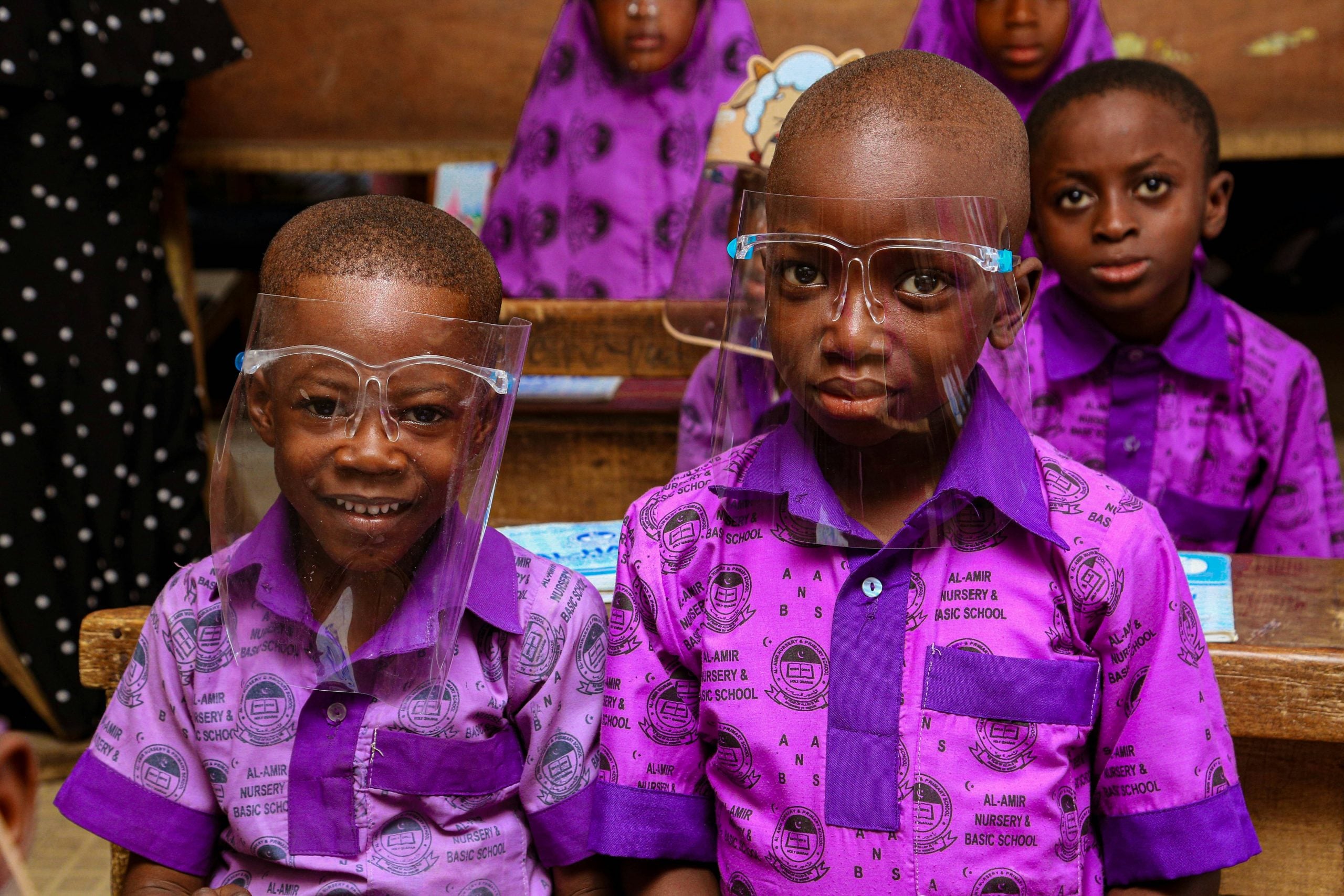
Recent studies reveal that one in three children have developed nearsightedness or myopia during the COVID-19 pandemic. A 2023 study from Hong Kong followed over 20,000 children aged 6 to 8 and found that myopia in children went from 24% before the pandemic to 36.2% by 2021.
Similar trends were also seen globally. A similar study conducted by Chinese and American researchers also noted a sharp rise in myopia among children aged 6 to 13 during the first six months of the pandemic. This specific study screened over 120,000 children. According to these studies, the top proprietors of this disorder are longer screen time and reduced outdoor activity.
What is Myopia?

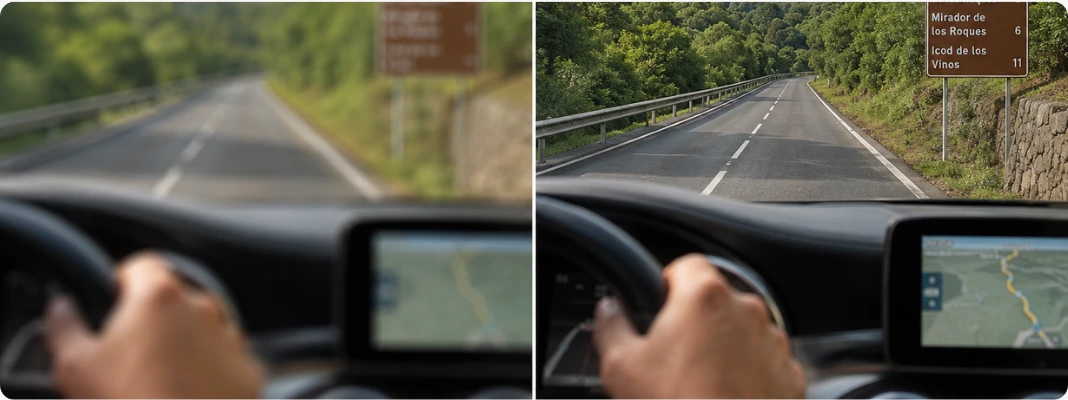
Myopia, commonly known as nearsightedness, is a refractive error where objects could appear blurry unless they are close enough. It occurs when the eye grows too long from front to back (axial elongation), causing light entering the eye to focus in front of the retina rather than directly on it. This leads to difficulty seeing objects that are far away, such as road signs or a classroom board.
What Caused This Sudden Rise of Myopia in Children?

The primary cause of myopia is a combination of genetic and environmental factors. If one or both parents are nearsighted, their children will likely develop the condition. However, environmental factors, such as prolonged near-work (e.g., reading, and computer use) and reduced outdoor activity, have also been strongly associated with the condition.
During the pandemic, the most common causes of Myopia in children are as follows:
High Screen Time
The sudden shift to online education meant that children were spending extended periods on digital screens and in near-work activities rather than looking at distant objects. This strains the eyes and promotes nearsightedness.
Less Outdoor Exposure
Exposure to natural light is known to slow the progression of myopia, as light stimulates dopamine release in the retina, which helps regulate eye growth. During the lockdowns, children’s outdoor activities decreased significantly, which further contributed to the rise in nearsightedness.
Long-Term Eye Health Risks
This sudden increase in childhood myopia has raised concerns about long-term eye health. Progressive myopia can lead to more serious vision problems later in life, such as…
Retinal Detachment
In individuals with high myopia, the elongation of the eye stretches and thins the retina, making it more prone to tears and detachment. Retinal detachment is a medical emergency and, if not treated promptly, can lead to permanent vision loss.
Glaucoma
Myopia increases the risk of developing glaucoma, a condition characterized by increased pressure inside the eye, which can damage the optic nerve. People with myopia are believed to have a higher risk due to the structural changes in their eyes. If untreated, glaucoma can result in peripheral vision loss and eventually blindness.
Myopic Macular Degeneration
This is one of the most concerning long-term effects of severe myopia. It occurs when the excessive elongation of the eye causes damage to the central part of the retina (the macula), which is crucial for sharp, detailed vision. This condition can severely impair activities such as reading, driving, or recognizing faces.
How Do I Know If My Child Has Myopia?

Detecting myopia in children can sometimes be challenging, especially if they are too young to articulate their vision problems. However, there are several signs of Myopia that parents and caregivers can look out for:
- Frequent squinting
- Sitting very close to the television or holding books, tablets, or other devices
- Complaints about blurred vision
- Frequent rubbing of eyes
- Persistent headaches
- Tilting the head or covering one eye to see clearer
How To Prevent and Manage Myopia
To prevent developing Myopia in children, regular eye exams—even if no symptoms are present—are recommended to catch any vision issues early on. These studies also reinforce the need for balanced screen time and outdoor activity.
Parents can do activities like the 20-20-20 rule (taking a 20-second break every 20 minutes to look at something 20 feet away) to reduce the strain on children’s eyes. Experts also advocate for at least two hours of outdoor playtime daily to help mitigate the long-term effects of increased screen exposure
If you notice any of these symptoms in your child, it’s important to schedule an eye exam with an optometrist or ophthalmologist. Early detection of myopia is crucial, as it allows for early intervention.
Aside from that, Myopia can also be corrected or managed through the following:
- Corrective Glasses. The most common and straightforward method to correct myopia in children is through prescription glasses. Glasses help focus light correctly on the retina, improving distance vision.
- Multifocal Contact Lenses. Multifocal contact lenses are designed with multiple focal points to correct both near and distant vision. Research has shown that these lenses can help slow the progression of myopia by reducing the eye’s tendency to grow longer.
- Atropine Eye Drops. Low-dose atropine eye drops have been found to slow the progression of myopia in children. This treatment involves applying a small dose of atropine, typically at night, to relax the eye muscles responsible for focusing. Studies show that it can slow myopia progression by up to 50% in some cases.
- Orthokeratology (Ortho-K). These are specially designed gas-permeable contact lenses that are worn overnight to reshape the cornea. Ortho-K lenses can temporarily reduce myopia, allowing children to see clearly during the day without the need for glasses or contact lenses. This method is useful for managing myopia progression as well as providing day-long vision correction.
Key Takeaway
If your child shows signs of myopia, early intervention is key. Get them checked by an eye care professional so they can recommend the best course of action for your child. If you do decide to get contact lenses, make sure to secure them from reputable sources to get nothing but the best quality contact lenses.
Related Articles
-
Breakthrough in Ocular Medicine: 3D-Printed Contact Lenses that Deliver Medication
-
What Is Presbyopia After 40? Causes, Symptoms, and Contact Lens Options
-

US Truck Drivers’ Guide to the Best Contact Lenses for Night Driving
-

Stephen Curry’s 3Cs: Contact Lenses, Career Stats, & Championships
-

How to Properly Dispose Contact Lenses