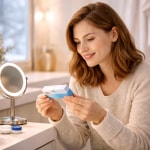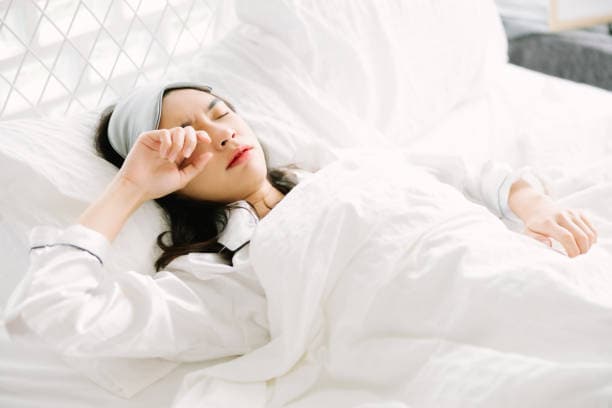
Wearing contacts brings everyday convenience, but sleeping in them can turn that convenience into a problem fast. Many wearers admit to dozing off with their lenses on after a long day, a quick nap, or late-night screen time. It feels harmless in the moment, yet the effects often show up hours later. Below is a grounded look at what happens when you sleep with contacts, why it matters, and what you can do if it happens.
Why Sleeping in Contacts Is Risky
Your cornea needs oxygen from the air, and contact lenses naturally reduce some of that flow. When your eyes are closed during sleep, the oxygen level drops even more, creating a warm, trapped environment under the lens. This makes it easier for bacteria to grow and harder for your eyes to recover overnight. Many eye doctors explain that this combination increases the chance of irritation and infection compared to wearing lenses during the day.
In 2023, the Centers for Disease Control and Prevention (CDC) reported that people who sleep in contact lenses have a much higher risk of developing corneal infections than those who remove them properly every night. These infections can range from mild redness to more serious conditions that require medical care. The risk goes up the longer the lens stays in place without fresh tears or airflow. Even lenses labeled for extended wear still increase the chance of problems if worn overnight too often.
How It Feels for Wearers the Next Day
Most people who fall asleep in contact lenses wake up with eyes that feel dry, sticky, or slightly painful. This happens because the lens has tightened against the surface of the eye, making blinking uncomfortable. Some describe a foggy or hazy sensation, as if the lens is stuck or no longer sitting where it should. These symptoms can last for hours, especially if the lens has been worn far beyond its intended schedule.
Wearers also report feeling overly sensitive to light the next morning. This sensitivity usually comes from mild inflammation caused by the low-oxygen environment overnight. Even after removing the lenses, symptoms may persist throughout the day. These sensations are common and usually temporary, but they’re still signs that the eyes were strained.
What Eye Care Clinics Usually See in These Cases
Eye care clinics often treat patients who accidentally sleep in contacts, and many cases present similar patterns. Mild irritation, redness, and dryness are the most frequent issues, and these usually improve with rest and lubrication drops. Some patients develop small abrasions because the lens pulled on the surface of the eye during sleep. Clinics also see infections develop in people who make a habit of sleeping in their lenses, even if they’ve never had trouble before.
Doctors explain that the biggest risk is not the one-time mistake but the repeated pattern. Each night of sleep with lenses increases the chance of bacteria entering small scratches or sensitive areas of the eye. When this happens, people often need antibiotic treatment, and the recovery can take days or weeks. This is why clinics encourage wearers to treat nighttime contact lens use as a clear red flag.
What to Do If You Slept in Your Contacts
- Give your eyes a break for the rest of the day. Use glasses and avoid putting in another pair of contacts until your eyes feel normal again.
- Use lubricating drops to help reduce dryness. This makes it easier for your eyes to adjust after the overnight irritation.
- Watch out for symptoms that get worse. Severe redness, pain, foggy vision, or unusual discharge should always be checked by an eye care professional.
- Avoid rubbing your eyes. This can create small abrasions that make irritation even worse.
- Replace your lenses with a fresh pair. Never put the same pair back in after sleeping in them, especially if they felt sticky or dry when you removed them.
Takeaway
Accidentally sleeping with your contacts on happens to many people, but it’s still something worth taking seriously. A single mistake typically leads to dryness or irritation, yet repeated habit increases the chance of infections that require treatment. Giving your eyes time to recover and switching to a fresh pair usually helps, but persistent symptoms should not be ignored. The safest approach is always the simplest one: take your lenses out before sleep, even if it’s just a short nap.
Related Articles
-

Holiday 2024 Guide: 10 Eye-Friendly Gifts for Your Loved Ones
-

Proclear Multifocal vs. Biofinity Multifocal Lenses: Contact Lenses for Presbyopia
-

Autumn-Ready Eyes: 5 Best Contact Lenses for the Fall Season
-

Elton John And Vision Loss: The Eye Infection That Kept Him From Watching The Devil Wears Prada Musical
-

Are High Water Content Lenses Bad for Sensitive Eyes?