When your eyes feel heavy after a long day, rubbing them can be almost instinctive. Tiredness often comes with dryness, eye strain, or irritation, especially after hours of screen time or too little sleep.
Rubbing briefly spreads moisture across the surface of the eyes and massages the muscles around them, which explains why it can feel so satisfying in the moment. The relief does not last long, though, and rubbing too often or too forcefully can leave your eyes more irritated than before. It can also transfer dirt and germs from your hands or cause tiny scratches on the cornea.
Try the 20-20-20 Rule
Use this technique during long periods of screen time. Every 20 minutes, look at something at least 20 feet away for 20 seconds, then blink slowly several times. This gives your focusing muscles a short break and helps refresh the tear film, which can reduce the dryness and strain that tempt you to rub your eyes. If dryness continues, ask your eye doctor about lubricating drops that are compatible with your contact lenses.
The Risks of Rubbing Your Eyes With Contacts In
Rubbing your eyes while wearing contacts can turn a moment of relief into lingering discomfort. The pressure can shift the lens away from the center of the eye, fold it beneath the eyelid, or cause it to tear. It can also press dust or other small particles trapped beneath the lens against the cornea, leaving the eye red, watery, or irritated.
In some cases, rubbing can create a small corneal scratch that makes blinking painful and causes sensitivity to light. Even when no injury occurs, repeated rubbing can disturb the way the lens sits and leave your vision temporarily blurry. If the discomfort continues after the lens is removed, or you notice pain, discharge, strong redness, or changes in vision, stop wearing contacts and speak with an eye doctor.

Everyday Eye Care for Contact Lens Wearers
Wash and Dry Your Hands Before Touching Your Eyes
Your hands come into direct contact with your lenses every time you insert, adjust, or remove them, so a quick rinse is not enough. Wash them thoroughly with soap and water, then dry them with a clean, lint-free towel before touching your eyes or contacts. Avoid oily or heavily fragranced soaps because residue can transfer to the lens and cause irritation or blurry vision. If a lens feels out of place during the day, clean your hands before trying to adjust it instead of rubbing your eye.
Prevent Skincare and Makeup From Reaching Your Lenses
Sunscreen, moisturizer, makeup, and other personal care products can leave oils or particles on contact lenses. Insert your contacts before applying makeup, and remove them before taking makeup off so cleansers do not become trapped beneath the lenses. Apply sunscreen carefully around the eyes and leave a little space along the eyelids and lash line. Waterproof and powdery products can be especially difficult to remove once they reach a lens, so gentle application matters. Explore more practical habits in our guide to [summer eye care] for contact lens wearers.
Avoid Water While Wearing Contact Lenses
Water and contact lenses do not mix, even when the water looks clean. Tap water, pools, hot tubs, lakes, and oceans can contain microorganisms that become trapped between a lens and the eye, increasing the risk of a serious infection. Remove your contacts before swimming or showering, and never use water to rinse or store them. If water accidentally reaches your lenses, remove them as soon as possible. Replace daily disposables with a fresh pair, or clean and disinfect monthly lenses according to your eye doctor’s instructions.
Remove Contact Lenses Before Sleeping
Unless your eye doctor has specifically prescribed lenses for overnight wear, take your contacts out before going to sleep, including before a short nap. Closed eyelids already reduce the amount of oxygen reaching the cornea, and sleeping in lenses restricts it further while giving germs more time to remain against the eye. You may wake up with lenses that feel dry, tight, or difficult to remove, but forcing them out can irritate the eye. Use approved lubricating drops if needed, wait for the lenses to move freely, and seek care if you notice lasting pain, redness, discharge, light sensitivity, or blurred vision.
Learn More About Tired Eyes and Contacts
Related Articles
-

Acuvue Oasys for Astigmatism vs Ultra for Astigmatism: Which Is Better?
-

Swimming With Contacts: Pool, Beach, and Hot Tub Safety Rules
-

How Coastal Humidity Affects Contact Lens Comfort
-

New To Contact Lenses? Here’s What To Do First
-
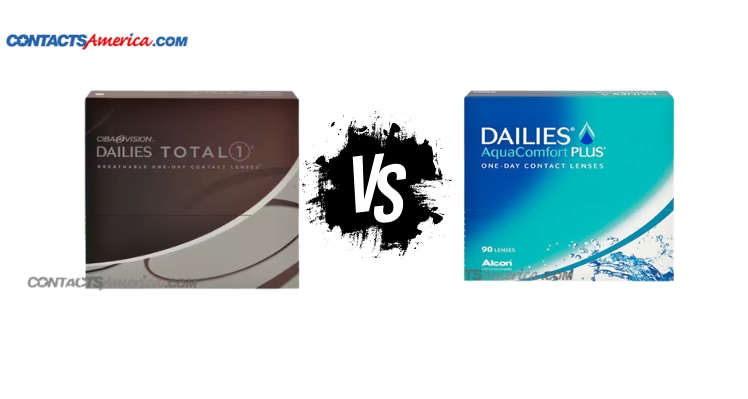
Dailies Total 1 Vs. Dailies AquaComfort Plus: Features, Comfort, and Value