Busy moms do a lot before the day even gets going. Between school drop-off, work, errands, meals, laundry, and bedtime routines, contact lens care can feel like one more step in an already full schedule. Still, a few small habits can make contact lens wear feel cleaner, safer, and more comfortable from morning to night.
Contact lens comfort starts with the basics. Clean hands, fresh solution, proper lens storage, and the right wear schedule can help lower irritation and infection risks. The Centers for Disease Control and Prevention (CDC) advises contact lens wearers to wash their hands before handling lenses, keep contacts away from water, and clean lens cases with contact lens solution instead of water.
1. Wash And Dry Your Hands Before Touching Your Lenses
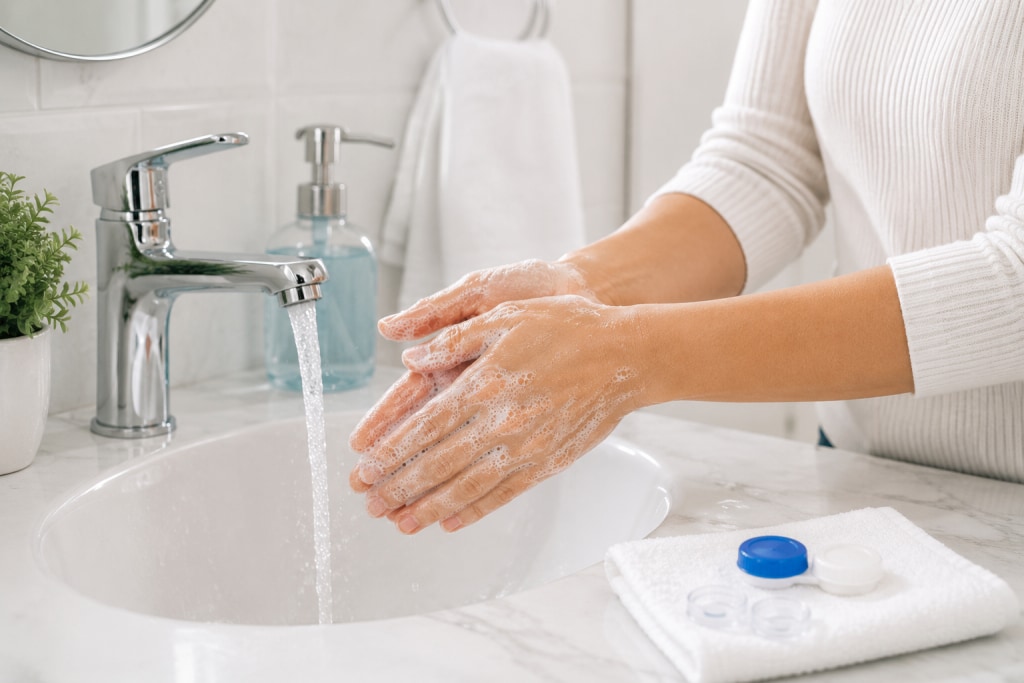
Handwashing sounds simple, but it’s easy to rush through when the morning is busy. Moms often touch lunchboxes, bags, baby wipes, skincare products, cleaning sprays, and phone screens before putting in contacts. Washing and drying your hands before handling lenses helps keep dirt, oil, and germs away from your eyes.
Dry hands matter, too. Water can carry microorganisms that don’t belong on contact lenses, so lenses should not be handled with wet hands. The CDC recommends washing hands well before touching lenses and keeping contacts away from water whenever possible.
2. Put Contacts In Before Makeup Or Sunscreen
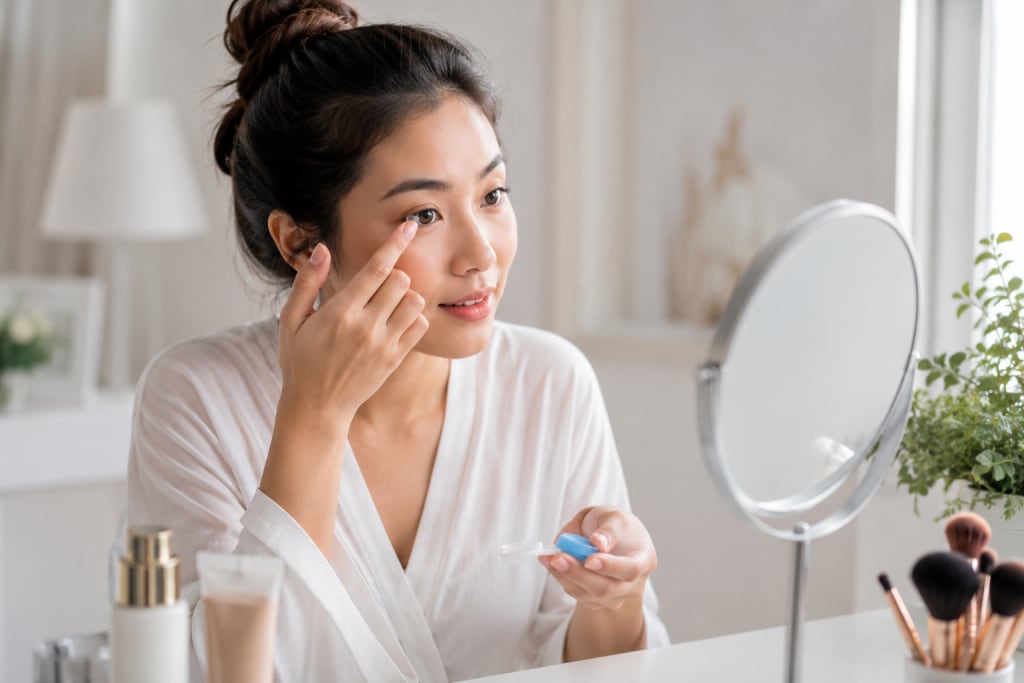
If you wear makeup, sunscreen, moisturizer, or eye cream, put your contacts in first. This helps keep residue from getting trapped between the lens and your eye. It also lowers the chance of cloudy vision, stinging, or irritation after you’ve already started your day.
The American Optometric Association recommends applying contact lenses before makeup and removing contacts before taking makeup off. It also advises against using hand creams or lotions before handling contacts, as residue can leave a film on the lens. This habit is especially helpful on rushed mornings when skincare, sunscreen, and makeup all happen within a few minutes.
3. Keep A Small Contact Lens Kit In Your Bag
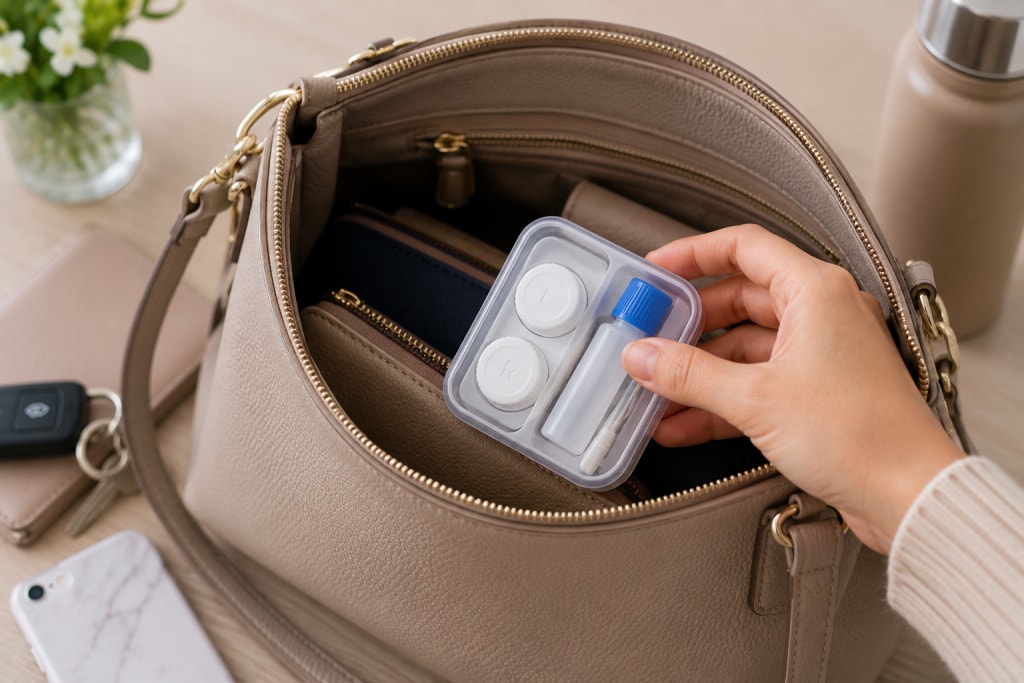
A small contact lens kit can save the day when your eyes feel dry or irritated away from home. You can keep a clean lens case, travel-size solution, backup lenses, and glasses in your purse, work bag, diaper bag, or car pouch. This gives you a safer option than trying to “push through” discomfort all day.
This habit works well for moms who move between errands, school events, appointments, and work. If a lens feels uncomfortable, you can remove it properly instead of rubbing your eyes or waiting until you get home. The CDC also recommends packing backup supplies such as a lens case, contacts, glasses, and solution when needed.
4. Take Lenses Out Before Naps
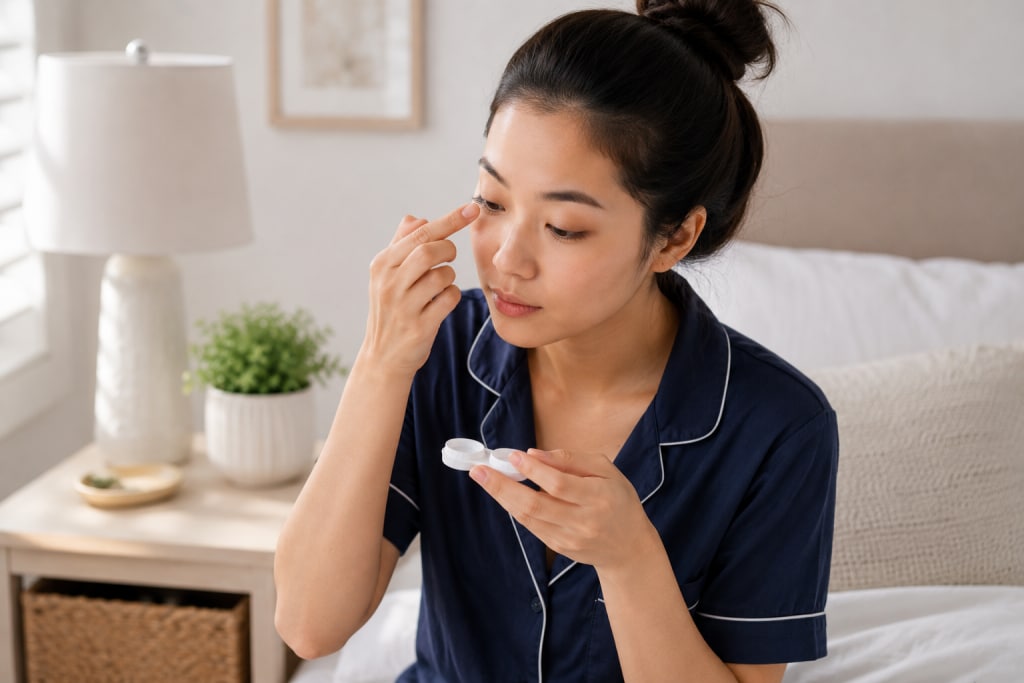
Busy moms don’t always plan naps. Sometimes rest happens on the couch, beside a child’s bed, or during a rare quiet moment in the afternoon. If your eye doctor does not approve your lenses for overnight wear, take them out before sleeping.
Sleeping in contact lenses can raise the risk of eye infection. The CDC advises removing lenses before sleeping, showering, or swimming to help prevent infections. This is a helpful habit to build if your days include newborn care, late nights, or unpredictable sleep.
5. Keep Contacts Away From Water
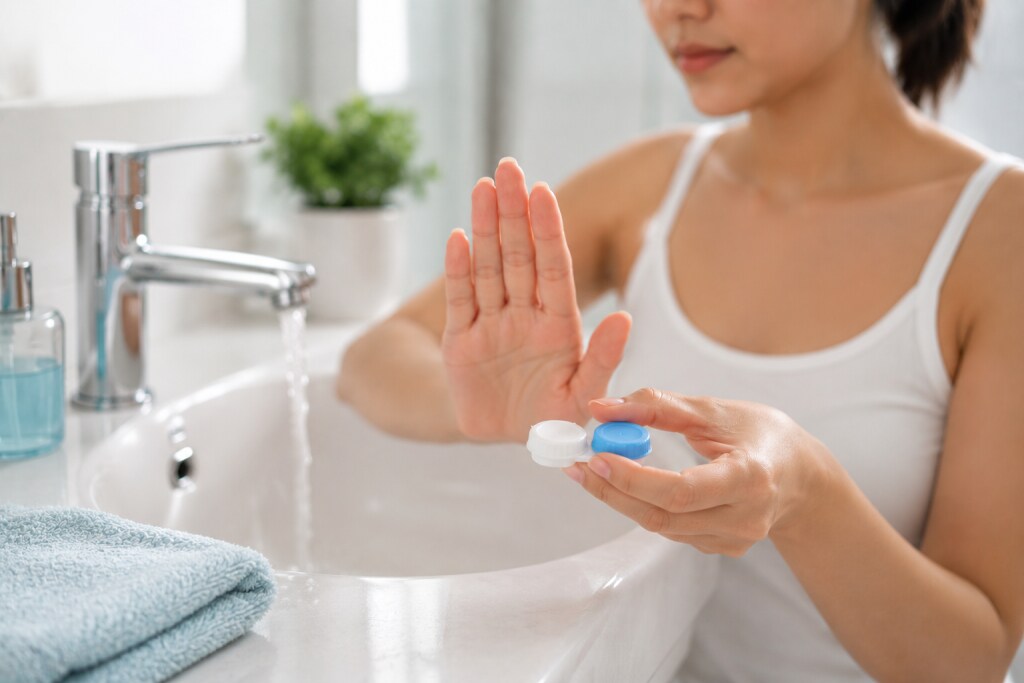
Contacts and water don’t mix well. That includes tap water, shower water, pool water, lake water, and hot tub water. If you’re showering, swimming, or soaking in a hot tub, remove your lenses first unless your eye doctor has given you specific instructions.
Water exposure can place harmful microorganisms near your eyes. The CDC advises removing lenses before water activities and says contact lens solution is the better choice for cleaning contacts. The FDA also warns against exposing contact lenses to any water, including tap, bottled, distilled, lake, or ocean water.
6. Use Fresh Solution Every Time
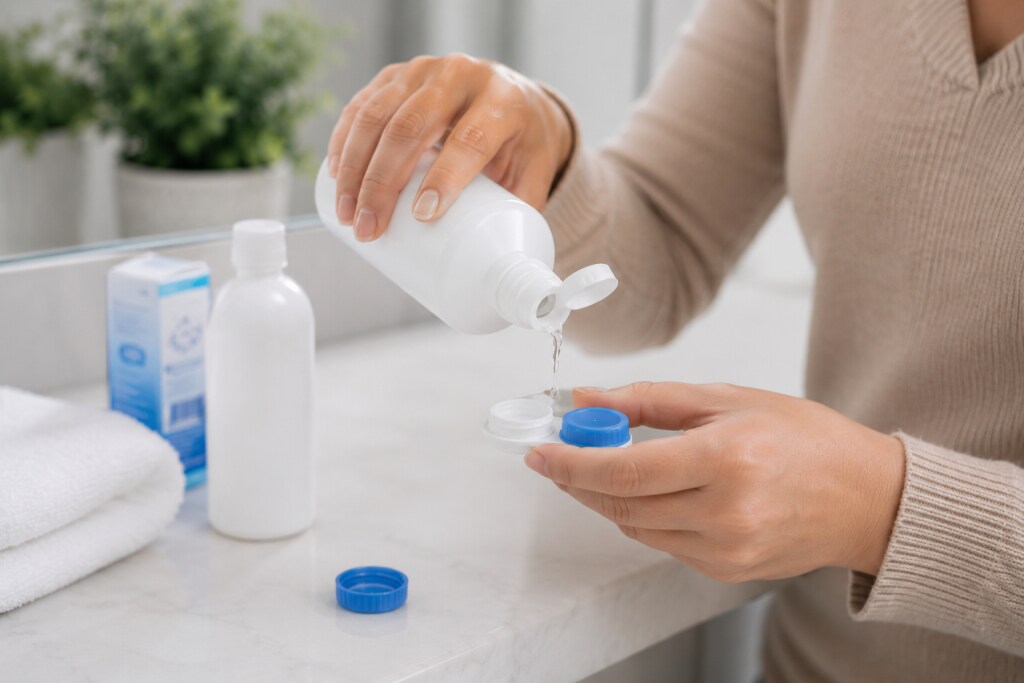
At the end of a long day, it can be tempting to reuse the solution or add a little fresh solution to what’s already in the case. This habit, known as “topping off,” is not recommended. Old solutions can lose disinfecting strength and can leave lenses sitting in a less clean environment.
The FDA advises contact lens wearers not to top off lens solution. It also says the leftover solution should be discarded after each use and never reused. Fresh solution is a small step, but it can make nightly lens care safer and cleaner.
7. Clean And Air-Dry The Lens Case
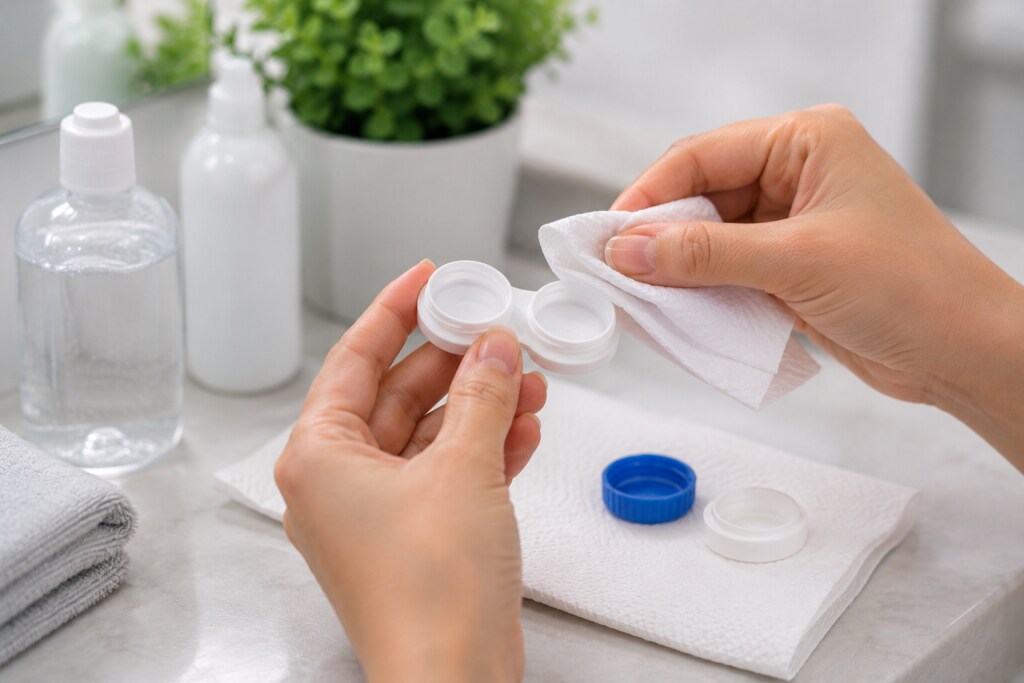
Your lens case needs care, too. A case that sits near the sink, inside a drawer, or at the bottom of a bag can collect residue over time. Cleaning and air-drying it helps keep your storage routine more hygienic.
The FDA recommends cleaning, rinsing, and air-drying the lens case each time lenses are removed. Use contact lens solution for this step, not water. If the case looks dirty, smells odd, or has been used for too long, replacing it is the safer move.
8. Follow The Replacement Schedule
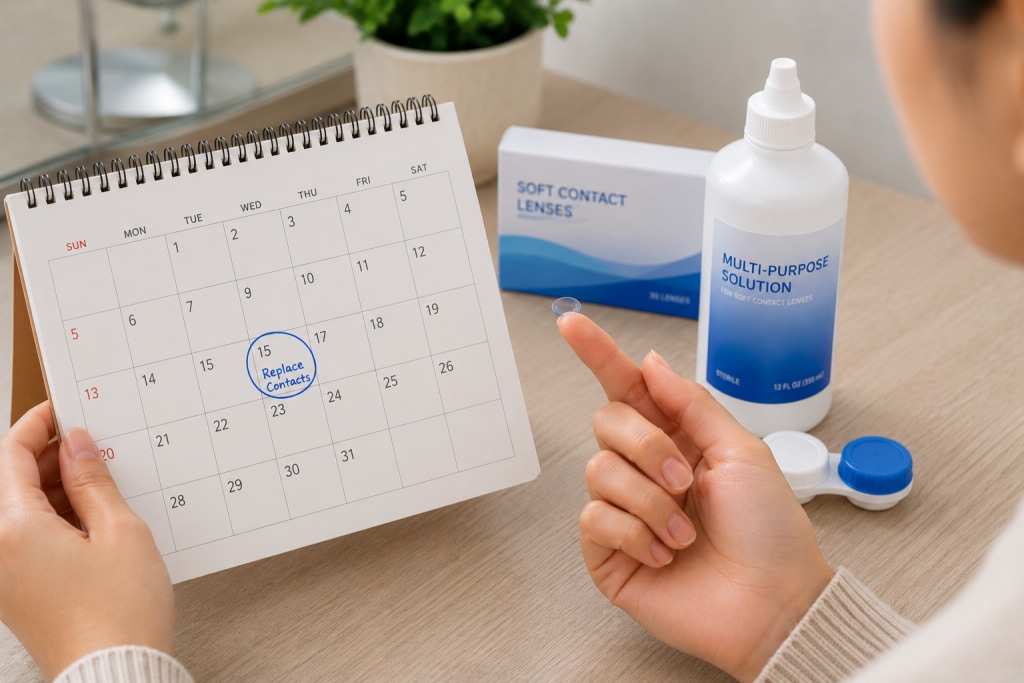
Daily, bi-weekly, and monthly contacts are not meant to be worn the same way. Each type has a wear and replacement schedule based on lens design, material, and your eye doctor’s instructions. Stretching lenses longer than prescribed can lead to buildup, discomfort, and a higher chance of irritation.
This habit matters for moms who buy in bulk or try to make a box last longer. If your lenses are meant to be replaced daily, discard them after one day of wear. The FDA advises contact lens wearers to follow the recommended wearing schedule and to rub and rinse lenses as directed by an eye care professional.
9. Give Your Eyes A Break When They Feel Dry

Dryness can happen during long screen hours, low sleep, pregnancy, postpartum changes, allergies, or long days in air-conditioned spaces. If your eyes feel dry or tired, switching to glasses for a few hours can help. You can also ask your eye doctor about rewetting drops that are safe for your specific lenses.
Pregnancy and hormonal changes can also affect contact lens comfort. The American Academy of Ophthalmology notes that wearing contacts can feel less comfortable when dry eye is present during pregnancy. If dryness keeps happening, your eye doctor can check whether your lens material, fit, or replacement schedule still works for your eyes.
10. Know When To Call The Eye Doctor
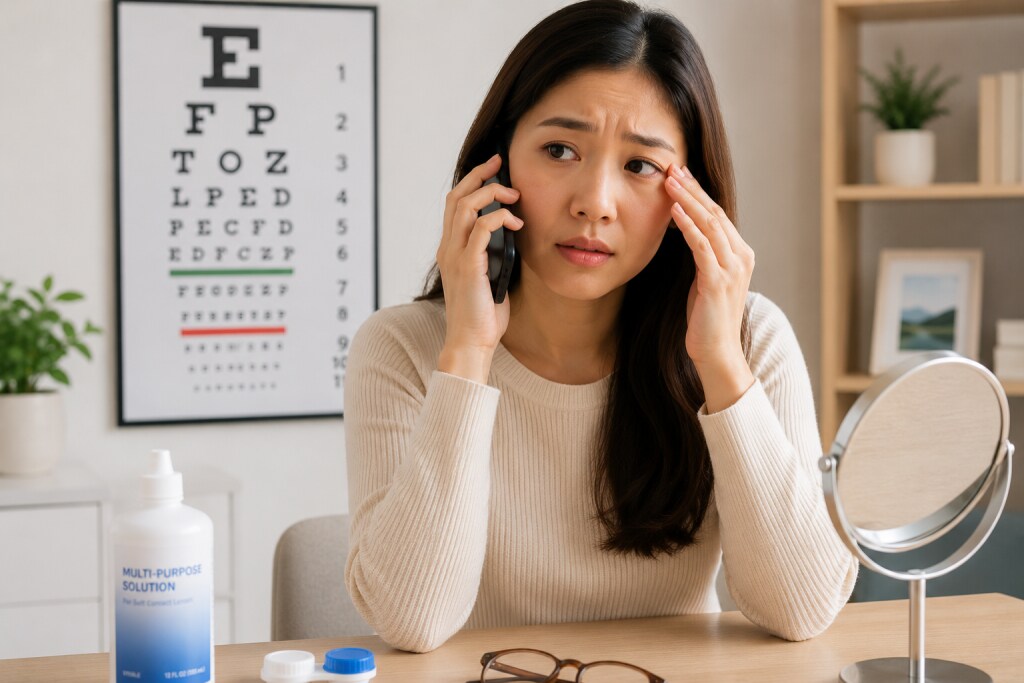
Contact lens discomfort should not be ignored if accompanied by pain, redness, blurred vision, discharge, or light sensitivity. If something feels wrong, remove your lenses and switch to glasses. Don’t put the lenses back in until your eyes feel normal or your eye doctor says it’s safe.
This is especially true if only one eye feels painful or looks red. Eye infections can become serious without proper care. The CDC advises contact lens wearers to remove lenses and contact an eye doctor if they experience eye pain, redness, or blurred vision.
Takeaway
Busy moms don’t need a complicated contact lens routine. Small habits like washing hands, using fresh solution, keeping backup glasses nearby, and replacing lenses on schedule can help make contact lens wear feel more manageable. If your lenses keep feeling dry, scratchy, or uncomfortable, talk to your eye doctor before changing products or wear time on your own.
Need to restock your lenses? Visit Contacts America to shop contact lenses that match your prescription, wearing schedule, and daily routine. A current prescription and the right lens care habits can help you move through busy days with clearer, more comfortable vision.
Contact lens questions for busy moms
Practical answers to help you wear your lenses comfortably and safely.
-
Yes, long screen time can make your eyes feel dry because people tend to blink less when using phones, laptops, or tablets. This can be harder on busy moms who work on screens, check messages often, or multitask between digital tasks. Taking short eye breaks and asking your eye doctor about contact lens-safe rewetting drops can help.
-
Yes, pregnancy and postpartum hormone changes can affect tear production and make contact lenses feel less comfortable. Some people notice more dryness, sensitivity, or blurry vision during this time. If your contacts suddenly feel different, talk to your eye doctor before changing lens types or wear time.
-
Daily disposable lenses can be a convenient choice because they do not require nightly cleaning or storage. You wear a fresh pair each day and throw them away after use. They can be helpful for moms who want a simpler routine, but your eye doctor should confirm if they fit your prescription and eye health needs.
-
Yes, allergies can make contacts feel dry, itchy, or gritty. Pollen, dust, pet dander, and other allergens can irritate the eyes and make lens wear less comfortable. If allergy symptoms keep bothering your eyes, ask your eye doctor which drops or lens options are safe for you.
-
Yes, glasses can give your eyes a break when contacts feel uncomfortable. This can help on days with long screen time, poor sleep, allergies, or dryness. Keep a backup pair nearby so you do not feel stuck wearing lenses when your eyes need rest.
-
Not all eye drops are safe to use with contact lenses. Some drops need to be used only after lenses are removed, while others are made for rewetting contacts. Check the label and ask your eye doctor which drops are safe for your specific lenses.
Always consult your eye doctor
These tips are general guidance and are not a substitute for professional medical advice. Your eye doctor can give you personalized recommendations based on your eyes, lifestyle, and prescription.
References
Preventing Eye Infections When Wearing Contacts. Centers for Disease Control and Prevention. https://www.cdc.gov/contact-lenses/prevention/index.html. Accessed May 19, 2026.
Contact Lens Care. American Optometric Association. https://www.aoa.org/healthy-eyes/vision-and-vision-correction/contact-lens-care. Accessed May 19, 2026.
Pregnancy. American Academy of Ophthalmology. https://www.aao.org/eye-health/tips-prevention/pregnancy. Accessed May 19, 2026.