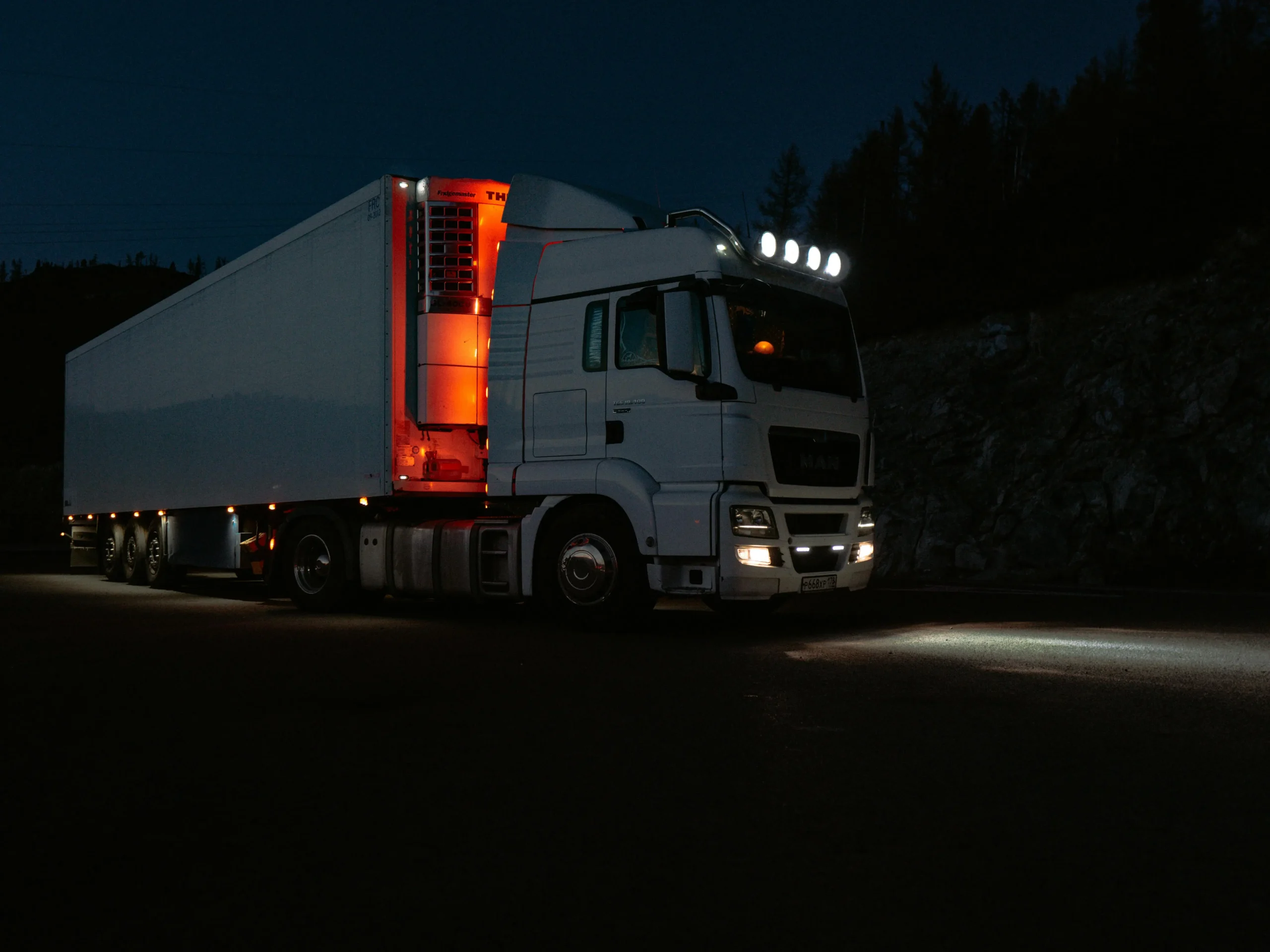
When you’re hauling 80,000 pounds of freight down a pitch-black stretch of the I-80, your eyes are your most important equipment. Between the blinding glare of oncoming high beams, the hazy reflection of wet pavement, and that 3:00 AM eye fatigue, keeping the road in focus is a constant battle. Even a little bit of lens dryness or a slight blur can make the difference between spotting another vehicle on the shoulder and reacting too late.
We created a list of the best contact lenses for night driving. No contact lens will give you superhero night vision. However, the right fit and material can dramatically cut down on irritation and keep your vision sharp from sunset to sunrise.
Night Driving Rules And Safety Facts US Truck Drivers Should Know
The Federal Motor Carrier Safety Administration (FMCSA) doesn’t care if the sun is up or down. Driving commercial motor vehicles at night is perfectly legal, but legal covers more than just your commercial driver’s license and logbook. The Department of Transportation (DOT) has a clear bottom line: you have to be fit, medically qualified, and sharp enough to handle a heavy rig safely.
On a long interstate haul, that definition changes at 2:00 AM. Federal rules focus on whether you’re rested and medically ready, but even the most alert person can be sidelined by eye fatigue while driving.
Federal Hours Of Service Rules For Interstate Truckers
The FMCSA’s Hours of Service (HOS) rules under 49 CFR Part 395 are there to make sure you aren’t running on fumes. They limit how long commercial drivers can be on duty and behind the wheel before you suffer eye strain while driving. FMCSA says these rules cover maximum on-duty time, driving time, and required rest periods so drivers can stay awake and alert.
While these rules keep your logbook legally compliant, they also serve as a reminder that your eyes need as much downtime as your engine.
Why Interstate Truckers Drive At Night
Simple. Because the clock is always ticking.
Carriers rely on overnight windows to keep supply chains moving, warehouses and distribution centers stocked, and stores ready for business. For the driver, hitting the I-95 or I-10 at 2:00 AM usually means avoiding the traffic jams of the daylight hours, helping you keep your ETA on track and your logs clean.
However, that empty highway comes with its own set of challenges. When the only light you have is the high beam headlight glare at night and the glow of your dash, your eyes are working overtime. Between the strobe effect of passing headlights and the flat light of a rainy highway, visual fatigue is real.
If your contact lenses aren’t up to the task, those long, dark stretches can go from peaceful to stressful in a hurry.
DOT Vision Requirements For Commercial Drivers
Federal vision standards are designed to make sure you can see a hazard before it becomes a headline. For the night-shift trucker, these requirements are the baseline for safety. The quality of your vision affects how safely you can read signs, spot hazards, and react to changing road conditions.
Under 49 CFR 391.41, truck drivers must meet these vision requirements:
The DOT doesn’t care if you use glasses or contacts (or none at all) for your night driving vision as long as you hit your marks. If you need lenses to reach that 20/40 standard, your medical examiner will just check the “corrective lenses” box on your certificate. Once that box is checked in your medical certificate, wearing your lenses becomes a legal requirement.
If you struggle with vision in one eye, don’t worry. The Alternative Vision Standard is your path to staying on the road. Instead of the old waiver system, you’ll just need a specialist to fill out a Vision Evaluation Report (Form MCSA-5871). Once you undergo a medical examination or vision test and a doc confirms your vision is stable, you can get certified annually and keep your career moving.
Hair-Raising Truck Crash Figures To Know
Crash data shows that night driving brings a unique set of risks that demand total focus. According to recent NHTSA and FMCSA reports, heavy trucks (over 26,000 lbs.) make up the vast majority of fatal accidents. A huge chunk of those happens when the sun is down.
Treat your vision with the same respect you give your rig. You wouldn’t ignore a vibrating steering wheel or a low-pressure light, so don’t ignore your eyes. If your multifocal lenses start to feel like sandpaper by midnight, or if you’re constantly blinking to clear up a blur, you’re not just dealing with an annoyance. You're actually dealing with a safety hazard. Before you pre-trip your next long haul, make sure your vision is as ready for the road as your truck is.
Why Night Driving Can Feel Harder With Contact Lenses
For truckers and other motor carrier drivers, contact lenses expand your peripheral vision, allowing you to scan mirrors and blind spots without the tunnel vision caused by heavy eyeglass frames. However, the graveyard shift is still the ultimate eye stress test. When you’re staring down a pitch-black interstate, every optical hurdle is magnified. The blinding strobe of LED high beams, the harsh reflection of rain-slicked asphalt, starbursts around lights at night, and the constant glow of your GPS and ELD tablets force your eyes to work double-time.
When your vision starts to fade at 3:00 AM, the lens isn’t always the villain. Sometimes, it’s the circumstances. For example, an outdated prescription that worked fine during the day can fail you in low light. On the road, this creates hazy vision, annoying halos around lights at night, and a constant struggle to focus on distant exit signs. Add to that the environment of a sleeper cab where the heater or AC is constantly blowing dry air directly at your face, and you have the perfect recipe for lens burnout. Truckers naturally blink less when they are hyper-focused on the road, which starves the lens of moisture. When that lens begins to dry, you begin to experience blurry vision while driving at night.

Do you have astigmatism? Your toric lenses have to sit at a very specific angle to work. If those lenses aren’t perfectly stable, every bump in the road or quick glance at your side mirror can cause the lens to rotate. This rotation causes lights and signs to blur or distort, which is the last thing you want when navigating a tight construction zone.
Your maintenance routine is just as important as your pre-trip inspection. Cutting corners on cleaning, stretching a two-week lens into a month, or sleeping in lenses not designed for it can compromise your vision. Keep a pair of backup glasses in the glove box. If your eyes start to sting or your vision goes cloudy, the CDC recommends pulling over and swapping them out.
The open road at night has a way of exposing small lens problems quickly. If you’re dealing with poor night vision while driving overnight, don’t just power through it. It’s a sign that your prescription, lens material, or replacement schedule needs a tune-up from your eye doctor.
What Makes Contact Lenses Better For Night Driving?
Let’s be clear: contact lenses aren’t a high-tech set of night-vision goggles that will magically light up a dark stretch of the I-10 or act as a silver bullet for glare. However, for a professional trucker, their real power lies in providing an unobstructed, edge-to-edge view of the world.
The right contacts act as a precision-tuned correction for the common vision hurdles that every driver faces, whether it’s nearsightedness, farsightedness, astigmatism, or presbyopia.
For the interstate trucker who lives and works in the graveyard shift, the best contact lenses are defined by these specific, road-ready qualities:
Best Contact Lenses For Night Driving For US Truck Drivers
The right lens depends on your specific prescription. We curated several best contacts for night driving as a sample shortlist so you can find the perfect match for your next night haul.
| Contact Lens | Replacement Schedule | Material | Moisture/Wetting Feature | Breathability/Oxygen Detail | Available Prescriptions |
|---|---|---|---|---|---|
| DAILIES TOTAL1 | Daily disposable | delefilcon A | Water Gradient material with surface water content approaching 100% | Dk/t 156 at -3.00D | Sphere powers from +6.00D to -12.00D; related toric and multifocal versions available separately |
| ACUVUE OASYS 1-Day with HydraLuxe | Daily disposable | senofilcon A | HydraLuxe tear-inspired technology | Dk/t 121 at -3.00D, edge corrected | Sphere powers from +8.00D to -12.00D; astigmatism version available separately |
| Precision1 | Daily disposable | verofilcon A | SMARTSURFACE technology with surface water content over 80% | Dk/t 100 at -3.00D | Sphere powers from +8.00D to -12.00D; astigmatism version available separately |
| DAILIES TOTAL1 for Astigmatism | Daily disposable | delefilcon A | Water Gradient material with SmarTears technology | Dk/t 127 at -3.00D | Toric powers with cylinder options from -0.75D to -2.25D, depending on sphere power and axis |
| ACUVUE OASYS 1-Day for Astigmatism | Daily disposable | senofilcon A | HydraLuxe technology | Dk/t 129 at -3.00D, edge corrected | Toric powers with cylinder options from -0.75D to -2.25D and selected axis ranges |
| Biofinity Energys | Monthly | comfilcon A | Aquaform plus Digital Zone Technology | Dk/t 171 at -3.00D | Sphere powers from +8.00D to -12.00D |
| Bausch + Lomb INFUSE | Daily disposable | samfilcon A | ProBalance technology | Dk/t 163 at -3.00D | Sphere powers from +6.00D to -12.00D |
| AIR OPTIX Night & Day AQUA | Monthly | lotrafilcon A | SmartShield technology | Dk/t 175 at -3.00D | Sphere powers from +6.00D to -10.00D, plus plano |
DAILIES TOTAL1
For the driver who wants a fresh set of lenses for every shift, DAILIES TOTAL1 is a top-tier contender. Its special Water Gradient design, built with a highly breathable silicone hydrogel core and a surface water content, hits nearly 100%.
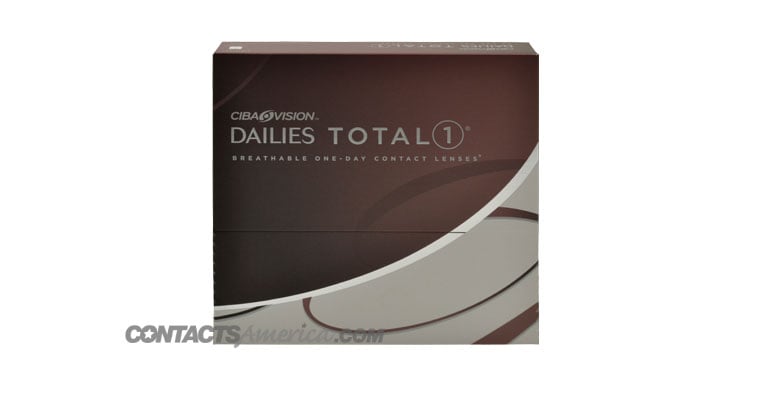
Your eyes stay lubricated even during those grueling, multi-hour stretches of staring down a dark highway. Because they are daily disposables, you don’t have to fumble with cleaning solutions or storage cases at 4:00 AM. When your drive is done, simply toss them and start with a sterile, crystal-clear pair the next time you clock in.
ACUVUE OASYS 1-Day with HydraLuxe
ACUVUE OASYS 1-Day is engineered specifically for the modern cab, making it a favorite for drivers who are constantly glancing between the dark road, bright GPS screens, and glowing dashboard displays.
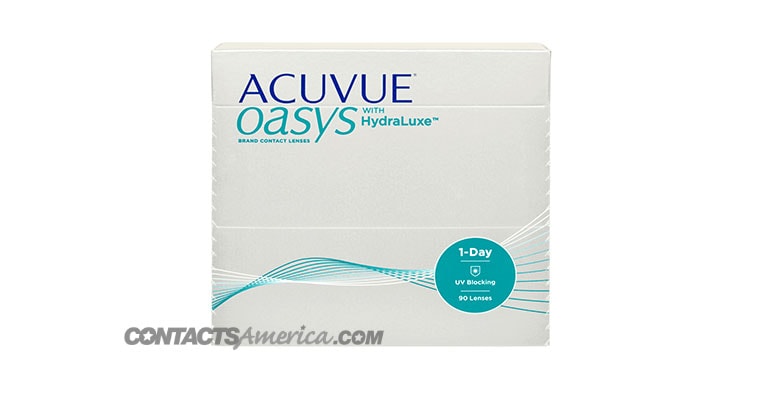
The lenses’ HydraLuxe technology mimic your eye’s natural tears, which helps combat the stinging, dry air from the cab’s heater or AC. Its Class 1 UV blocking is useful during those pre-dawn hours when the sun starts to crest the horizon. Best of all, they come in a highly stable version for those with astigmatism.
Precision 1
Here’s a workhorse lens that balances high-end performance with a more practical price. Precision 1 is a fantastic daily disposable choice. Using a specialized SMARTSURFACE design, it keeps over 80% water content at the surface of the lens.
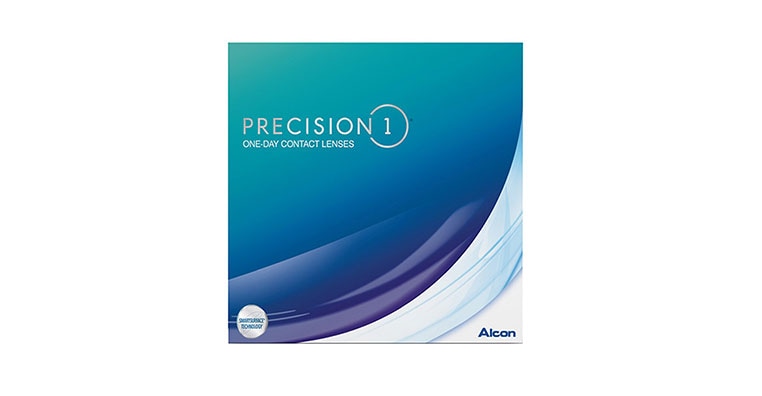
Its silicone hydrogel core ensures your eyes get the oxygen they need to stay fresh and healthy. For truckers who are tired of the solution shuffle at rest stops, this lens offers the ultimate convenience.
DAILIES TOTAL1 for Astigmatism
For drivers dealing with astigmatism, lens stability isn't just about comfort. It’s an actual safety requirement. If a standard toric lens rotates every time you hit a pothole or check your mirrors, the resulting smear from headlights and road signs can make driving at night a nightmare. DAILIES TOTAL1 for astigmatism is specifically engineered to solve this problem.
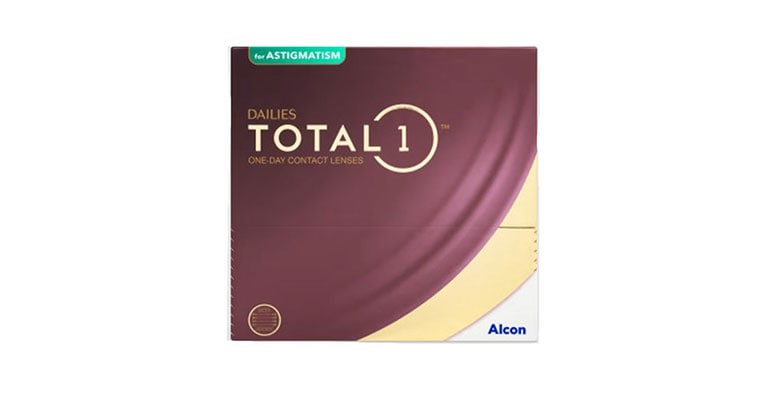
It combines the ultra-slick Water Gradient material and SmarTears technology with a Precision Balance 8|4 weighted design. The combination of these two features helps the lens stay exactly where it needs to be on your eye. The result is a stable, rock-solid vision that won’t blur or distort when you’re trying to read distant lane markers or steer through a complex interchange in the dark.
ACUVUE OASYS 1-Day for Astigmatism
If you’ve ever been frustrated by your vision resetting every time you blink, ACUVUE OASYS 1-Day for Astigmatism might be the fix you need. This lens is built around a unique BLINK STABILIZED design, which uses the natural pressure of your eyelids to keep the lens locked in place.
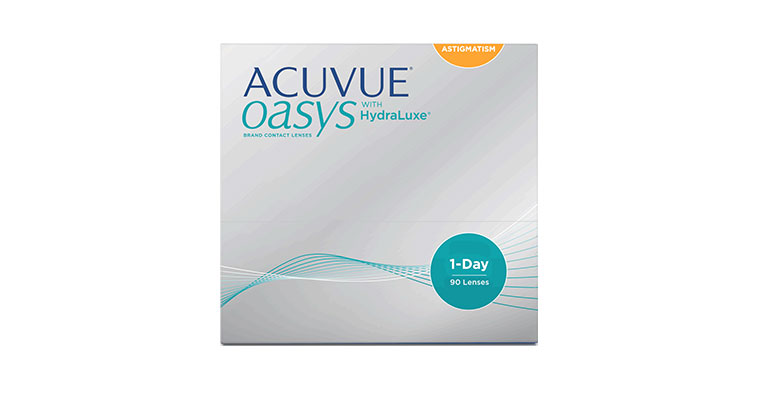
For a trucker on a night run, this stability is everything. Your vision doesn't rotate out of focus when you're in the middle of a critical maneuver, giving you sharp, reliable clarity the entire time you’re behind the wheel.
Biofinity Energys
If you prefer reliable monthly lenses over disposables, go for Biofinity Energys monthlies. One of the best monthly contacts for dry eyes, they are engineered for the high-tech reality of a modern truck cab that is lit up with ELD, GPS, smartphones, and indicator lights.
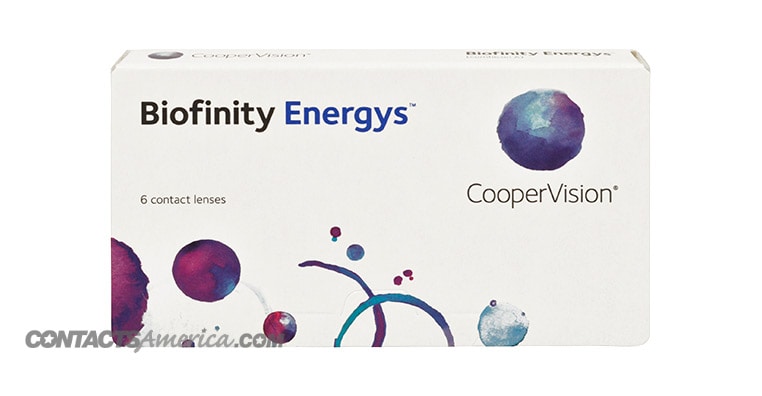
This lens uses Digital Zone Optics technology specifically to help your eye muscles transition between the road and your screens without hitting a wall of fatigue. Combined with Aquaform technology that locks in moisture for the long haul, it’s designed to keep your eyes white and comfortable through weeks of heavy use.
Bausch + Lomb INFUSE
A daily lens that lets you avoid the starburst effect of night driving, Bausch + Lomb INFUSE is a powerhouse option. Specifically engineered with high-definition optics, the lens reduces the halos that plague low-light rules and that annoying glare while driving at night.
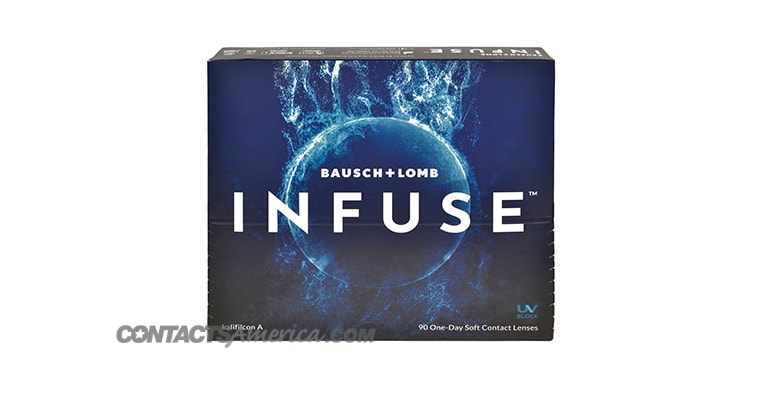
Thanks to its proprietary ProBalance Technology, the lens maintains 95% of its moisture for a full 16 hours, making it a great fit to combat your cab’s dry air.
AIR OPTIX Night & Day AQUA
For the driver with an unpredictable schedule, where rest might mean a few hours in the sleeper berth at odd intervals, AIR OPTIX Night & Day AQUA offers a unique level of flexibility.
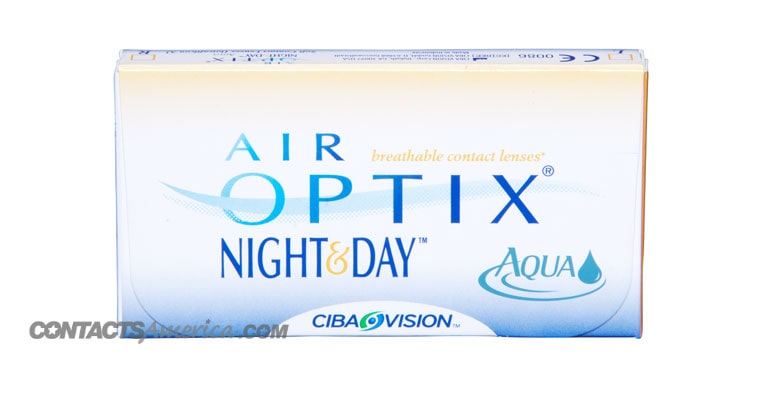
It is FDA-approved for up to 30 nights of continuous wear, making it one of the most breathable lenses on the market. This can be a huge advantage when you’re running overnight routes and don't always have a clean place to swap lenses.
Contact Lens Features Truck Drivers Should Avoid
While the right pair of contacts can be a game-changer for your overnight routes, not every lens belongs in a truck cab. Every professional trucker should be cautious with these specific lens features and pitfalls:
When Truckers Should See An Eye Doctor Before Driving At Night
Night driving has a way of turning a minor annoyance into a major safety hazard. You should schedule a visit to your eye doctor before your next night haul if you run into any of these warning signs:
Safer Night Routes Start With Clear, Comfortable Vision
Pulling the night shift is a reality for a lot of truck drivers, but battling blurry vision, sandy eyes, or lenses that won't stay put shouldn’t be. Our list of the best contact lenses for night driving will help you drive safely in the dark.
If your current lenses are making your night hauls feel more stressful than they should be, or if you're struggling with glare and fatigue, don’t ignore the discomfort. Your safety and your CDL are worth the investment of a professional visual tune-up from your eye doctor.
FAQs About Wearing Contact Lenses for Night Driving
-
Yes, but only use rewetting drops labeled safe for contact lenses. Regular eye drops are not always made for contacts and can cause irritation or cloudy vision.
-
No. A contact lens prescription includes details that glasses prescriptions do not, such as lens name, base curve, diameter, and sometimes cylinder and axis for astigmatism. Truck drivers should order the exact lenses listed on their contact lens prescription instead of guessing from their glasses prescription.
-
Keep lenses and solution in a clean, dry area away from extreme heat, direct sunlight, and freezing temperatures. Do not leave solution bottles rolling around the cab floor or sitting on the dash. If your solution looks cloudy, expired, contaminated, or exposed to extreme temperatures, replace it before using it on your lenses.
-
They can for some wearers, especially during the adjustment period. Multifocals split vision zones to help with distance and near vision, so some drivers notice glare, halos, or reduced contrast at night. If night routes feel less sharp in multifocals, your eye doctor can adjust the lens power, fit, or lens design.
-
A simple lens kit can save a route from turning stressful. Keep backup glasses, extra lenses, contact-safe rewetting drops, fresh solution, a clean lens case, hand sanitizer, and a small mirror in the truck. This gives you a safer backup plan if a lens tears, falls out, dries up, or starts bothering your eye mid-route.
References
- Summary of Hours of Service Regulations. Federal Motor Carrier Safety Administration. https://www.fmcsa.dot.gov/regulations/hours-service/summary-hours-service-regulations. Published Date: March 28, 2022. Accessed May 14, 2026
- 49 CFR 391.41 Physical Qualifications for Drivers. Electronic Code of Federal Regulations. https://www.ecfr.gov/current/title-49/subtitle-B/chapter-III/subchapter-B/part-391/subpart-E/section-391.41. Published Date: Not listed. Accessed May 14, 2026
- Qualifications of Drivers; Vision Standard. Federal Motor Carrier Safety Administration. https://www.fmcsa.dot.gov/regulations/federal-register-documents/2022-01021. Published Date: January 21, 2022. Accessed May 14, 2026
- Vision Evaluation Report, Form MCSA-5871. Federal Motor Carrier Safety Administration. https://www.fmcsa.dot.gov/regulations/medical/vision-evaluation-report-form-mcsa-5871. Published Date: April 1, 2025. Accessed May 14, 2026
- Large Trucks 2023 Data. National Highway Traffic Safety Administration. https://crashstats.nhtsa.dot.gov/Api/Public/ViewPublication/813717.pdf. Published Date: April 2025. Accessed May 14, 2026
- Large Truck and Bus Crash Facts 2022. Federal Motor Carrier Safety Administration. https://www.fmcsa.dot.gov/safety/data-and-statistics/large-truck-and-bus-crash-facts-2022-1. Published Date: October 10, 2025. Accessed May 14, 2026
- Preventing Eye Infections When Wearing Contacts. Centers for Disease Control and Prevention. https://www.cdc.gov/contact-lenses/prevention/index.html. Published Date: Not listed. Accessed May 14, 2026
- Corneal Infections Associated with Sleeping in Contact Lenses — Six Cases, United States, 2016–2018. Jennifer R. Cope, Nuadum Muriel Konne, Deborah S. Jacobs, Deepinder K. Dhaliwal, Michelle K. Rhee, Jia Yin, and Thomas L. Steinemann. Centers for Disease Control and Prevention. https://www.cdc.gov/mmwr/volumes/67/wr/mm6732a2.htm. Published Date: August 17, 2018. Accessed May 14, 2026
- Contact Lenses. U.S. Food and Drug Administration. https://www.fda.gov/medical-devices/consumer-products/contact-lenses. Published Date: October 28, 2019. Accessed May 14, 2026
- Refractive Errors. National Eye Institute. https://www.nei.nih.gov/eye-health-information/eye-conditions-and-diseases/refractive-errors. Published Date: December 19, 2025. Accessed May 14, 2026
- Comparison of Pedestrian Detection With and Without Yellow-Lens Glasses During Simulated Night Driving With and Without Headlight Glare. Alex D. Hwang, Merve Tuccar-Burak, and Eli Peli. JAMA Ophthalmology. https://jamanetwork.com/journals/jamaophthalmology/fullarticle/2740739. Published Date: August 1, 2019. Accessed May 14, 2026
Related Articles
-

Here Are the Best Colored Contact Lenses to Wear for the Holidays
-

How to Clean Your Contact Case Correctly (And When to Replace It)
-

Daily Vs Monthly Contacts For Busy Americans
-

Can Wearing Contacts Give You Dry Eyes and What Should Be Done If So?
-

Understanding 20/40 Vision: What Does It Mean for Your Eyesight?