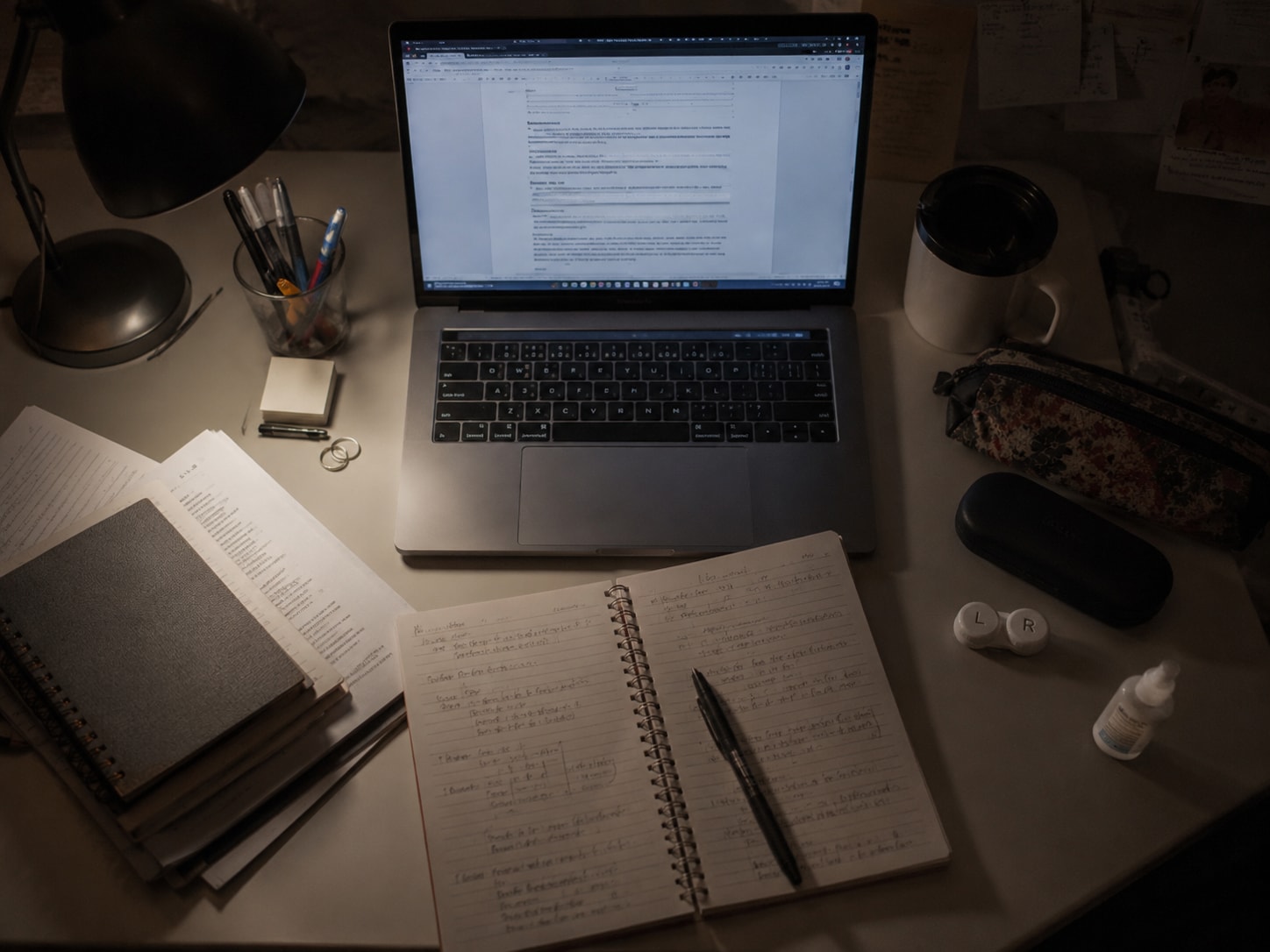
Back-to-school season means more hours spent looking at laptops, tablets, and phones for classes, homework, research, and studying. That extra screen time can leave the eyes feeling dry, tired, or irritated, especially for students who wear contact lenses throughout the day.
Long screen sessions can reduce how frequently and fully you blink, which can make dryness and contact lens discomfort more noticeable. Building simple habits such as taking screen breaks, blinking more deliberately, and following a proper contact lens routine can help make busy school days easier on your eyes.
Why Screen Time Can Make Contact Lenses Feel Dry
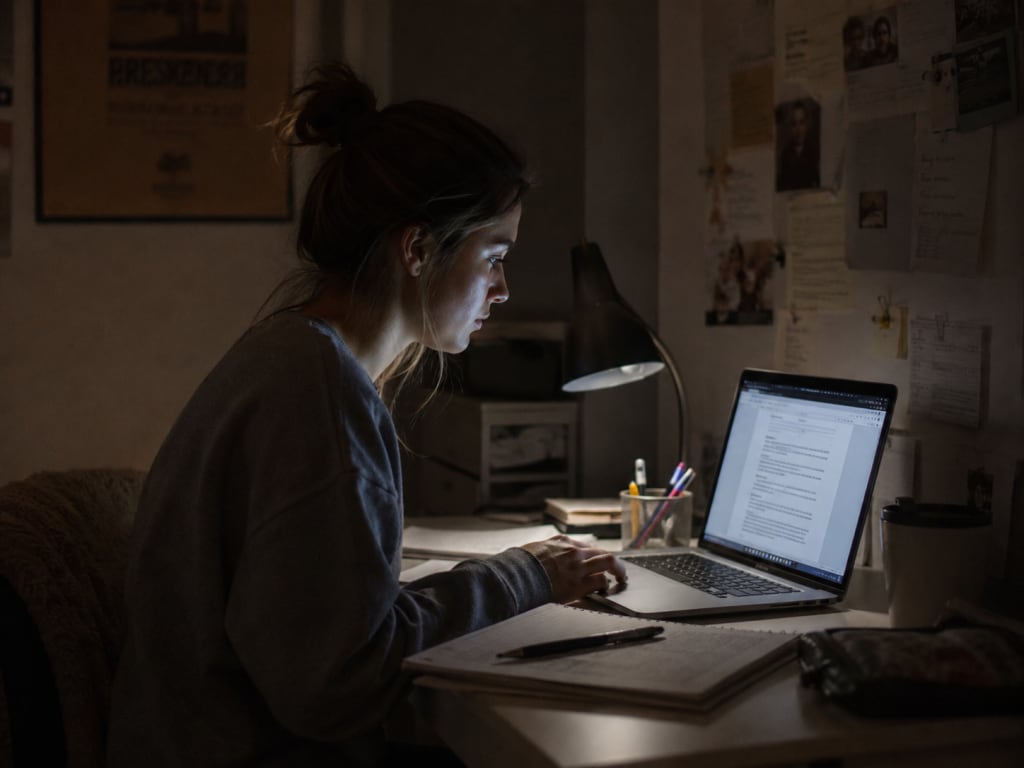
Staring at a screen can change the way you blink. Instead of blinking fully and regularly, you may blink less or leave part of the eye exposed, which can disrupt the tear film that keeps the eye and contact lens surface moist. As that moisture evaporates more quickly, lenses can start to feel dry or less comfortable.
The environment can make a difference too. Air-conditioned classrooms, libraries, and study spaces tend to have lower humidity, which can add to tear evaporation during long periods indoors. By the end of a class or study session, you may notice burning, irritation, dryness, or brief episodes of blurry vision.
Back-to-School Screen Habits for Contact Lens Wearers
A few small adjustments can make screen-heavy school days easier on your eyes. Try the 20-20-20 rule by looking at something about 20 feet away for 20 seconds every 20 minutes, and use those breaks as a reminder to blink fully. Position your screen at a comfortable distance and slightly below eye level so you are not straining to see it or holding your eyes wide open for long stretches.
Your contact lens routine matters too. Wear and replace your lenses according to your eye care professional’s instructions, even on packed days when it is tempting to stretch your schedule. Keeping a pair of glasses in your backpack also gives you an easy backup when your eyes start to feel tired or you simply want to give your contacts a break. If you have time in between studying, try to do a short digital detox where you step away from digital devices such as smartphones, computers, tablets, and social media platforms.
Student Tip
Proper Ergonomics
Keep your screen about an arm’s length away and slightly below eye level, sit with your back and feet supported, and take regular visual breaks to reduce eye strain.
What to Do When Your Contacts Feel Dry or Irritated
Even with good screen habits, your lenses can still start to feel uncomfortable during a long day. Contact-lens-compatible lubricating drops can help when recommended by your eye care professional, but ongoing discomfort is a sign to remove your lenses rather than keep wearing them. Switching to glasses gives your eyes a chance to recover without adding more irritation.
It is also best to avoid sleeping or napping in contact lenses unless they are specifically prescribed for overnight wear. Redness, eye pain, sensitivity to light, or blurry vision that does not improve after removing your lenses should be checked by an eye doctor, especially when symptoms are persistent or getting worse.
Dry Eye Checklist
Watch for these when your eyes feel dry.
A screen-heavy school schedule doesn’t mean contact lens wearers have to give up their lenses. Taking regular screen breaks, making an effort to blink fully, and sticking to proper lens wear and care habits can go a long way toward keeping your eyes comfortable from the first class of the day through evening study sessions.
Pay attention to how your eyes feel along the way. When dryness, irritation, redness, or blurry vision keeps coming back or starts getting worse, schedule an eye exam so your eye care professional can identify the cause, check whether your current lenses are still a good fit, and discuss options such as the best daily contact lens for dry eyes based on your needs.
FAQs About Dry Eyes
Frequently Asked Questions
Related Articles
-
Contacts or Glasses in Snowy Conditions: What US Wearers Should Know This Winter
-

Corneal Ulcers: Causes, Prevention, and Recovery
-

Where Can You Buy Halloween Contact Lenses Safely
-

National Grandparents Day Gifts for Grandpa and Grandma
-
5 Famous Celebrities Who Battle Dry Eye | What You Need to Know About This Disease