Updated March 2, 2026
Millions around the world are struggling with glaucoma, an eye disease that targets and damages the optic nerve. For them, it goes beyond simply seeing clearly. Proper vision correction plays a crucial role in managing their overall eye health.
In this article, we will explore the advantages and disadvantages of glasses and contact lenses for glaucoma patients. Understanding how each interacts with the challenges of glaucoma, take an active role in managing your vision and eye health.
What is Glaucoma?
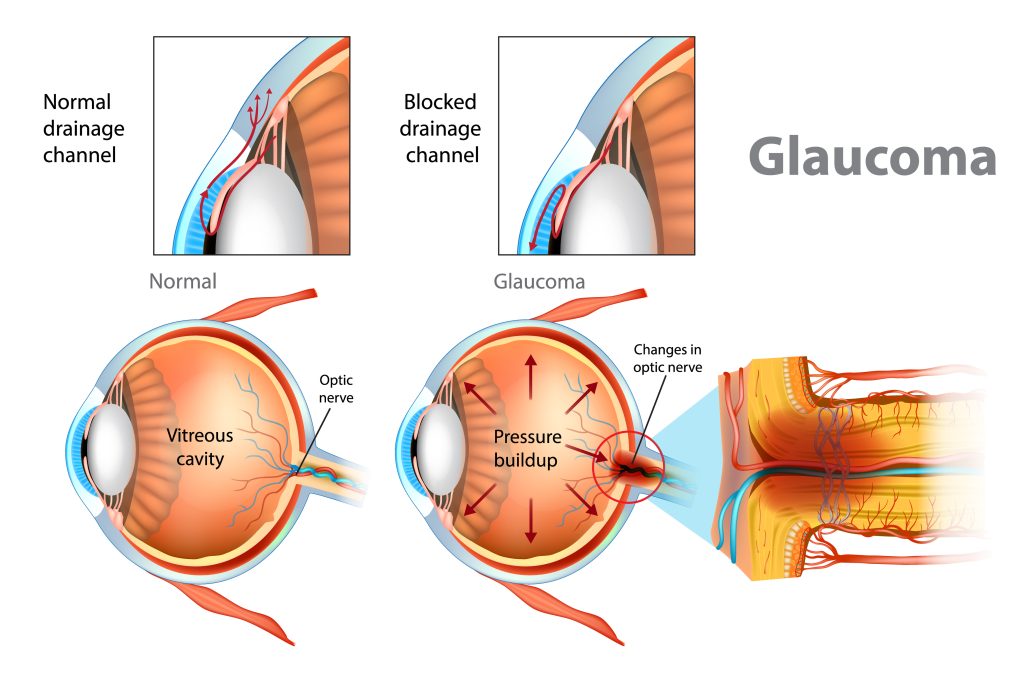
Glaucoma is a group of eye diseases characterized by progressive optic nerve degeneration which eventually leads to vision loss. While it is mainly caused by elevated intraocular pressure (IOP) from an imbalance in fluid drainage within the eye, glaucoma can also develop in individuals with normal IOP. The vision loss often starts from the peripherals to the center. Thus, it has earned the moniker “silent thief of sight.”
The good news is that there are treatments available to manage glaucoma. These treatments focus on lowering eye pressure which slows down vision loss and protects your remaining sight.
Types of Glaucoma
There are two main categories of glaucoma: open-angle glaucoma and angle-closure glaucoma.
Open-angle Glaucoma
Open-angle Glaucoma affects about 90% of glaucoma cases. In open-angle glaucoma, the drainage angle (the pathway where fluid exits the eye) is open but is clogged or impaired. This causes fluid to build up inside the eye, increases pressure, and damages the optic nerve.
Angle-closure Glaucoma
Angle-closure glaucoma is less common but can be an eye emergency. In this case, the drainage angle is suddenly blocked, causing a rapid rise in eye pressure. Thus, causing severe eye pain, redness, blurred vision, and nausea.
If you experience any of these symptoms, it’s crucial to seek immediate medical attention to prevent permanent vision loss.
Symptoms of Glaucoma

In its early stages, open-angle glaucoma may not have any noticeable symptoms. For this reason, people with this disease may not realize they have a problem until it has progressed significantly. That’s why regular eye exams are so important for early detection.
The symptoms of angle-closure glaucoma, however, come in very quickly. This includes:
- Severe eye pain
- Eye pain glaucoma
- Sudden blurred or lost vision
- Redness in the eye
- Headache
- Nausea and vomiting
- Seeing halos or colored rings around lights
Can Glaucoma Patients Wear Glasses?
Wearing glasses is often recommended to help improve vision that might be affected by glaucoma. Glasses can correct refractive errors such as nearsightedness, farsightedness, and astigmatism, which can be present in glaucoma patients.
Here are a few considerations for glaucoma patients wearing glasses:
- Prescription Lenses: Regular eye exams are essential to ensure that the glasses prescription is up to date. Glaucoma can affect vision gradually, so timely adjustments in the prescription can help maintain optimal vision.
- UV Protection: Sunglasses with UV protection are particularly beneficial for glaucoma patients. UV rays can exacerbate eye conditions, and protecting the eyes from harmful sun exposure is crucial.
- Lens Coatings: Anti-reflective coatings and blue light filters can enhance visual comfort and reduce glare.
- Magnifying Glasses: For those with significant vision loss due to glaucoma, magnifying glasses or other low-vision aids can be useful for reading and other detailed tasks.
Can Glaucoma Patients Wear Contact Lens?
If you’re more of a contact lens wearer than glasses, then yes, you can also wear contact lens as a glaucoma patient. If you’ve ever asked, can you wear contacts if you have glaucoma, the answer is usually yes, but comfort, eye surface health, and your treatment plan matter. Contact lens has its share of benefits and drawbacks. So it ultimately depends on your preference.
For instance, contact lenses provide an unobstructed view and may offer sharper vision correction compared to glasses. In some limited cases, specialized contact lenses can be designed to deliver glaucoma medications directly to the eye, although this is still under development.
Best Types of Contact Lenses for Glaucoma Patients
There isn’t a single “best” type of contact lens universally recommended for glaucoma patients. If you’re searching for the best contact lenses for glaucoma, the right choice depends on several factors specific to each individual’s condition and needs, including the severity of the condition, corneal health, lifestyle, and other eye conditions.
Rigid Gas-Permeable (RGP) Lenses
Rigid Gas Permeable (RGP) contact lenses are best for patients with early-stage glaucoma since they have excellent oxygen permeability allowing for optimal corneal health. They are known for their durability and rigid design provides sharp vision correction.
However, RGP lenses are not without drawbacks. Users often experience an initial adaptation period due to its firmer material. Additionally, they may not be suitable for those with dry eyes or irregular corneas.
Silicone Hydrogel Lenses
Silicone hydrogel contact lenses also provide improved oxygen permeability and are generally softer and more comfortable than rigid gas permeable (RGP) lenses. They excel at retaining moisture and are a suitable choice for people with dry eyes caused by glaucoma.
However, their oxygen permeability, while improved, may not match that of RGP lenses. In addition, these lenses typically require more frequent replacement than the latter, potentially increasing long-term costs.
Daily Disposable Lenses
Daily disposable contact lenses are well-suited for glaucoma patients with active lifestyles or those prioritizing convenience. They eliminate the need for cleaning solutions and storage cases and are crafted from soft, comfortable materials for a better wearing experience.
However, daily disposables tend to have a higher long-term cost compared to other contact lens options. The frequent disposal of these lenses also raises environmental concerns due to increased waste generation.
Takeaway
There’s no one-size-fits-all answer to whether glasses or contact lenses are better for glaucoma patients. Both options have their pros and cons, and the optimal choice depends on your specific situation and preferences.
The best course of action is to consult your ophthalmologist. They can assess your individual needs and recommend the most suitable vision correction method for you. They can also discuss alternative options like low-vision aids if neither glasses nor contacts are ideal.
Related Articles
-

What Is Presbyopia After 40? Causes, Symptoms, and Contact Lens Options
-
How to Wear Colored Contacts for Beginners? A Step-by-Step Guide
-

Proclear Multifocal vs. Biofinity Multifocal Lenses: Contact Lenses for Presbyopia
-

Best Contacts for Winter Dry Eyes: Top Picks and Comfort Tips
-

COVID-19 Quarantine Caused Nearsightedness in Children, Studies Suggest