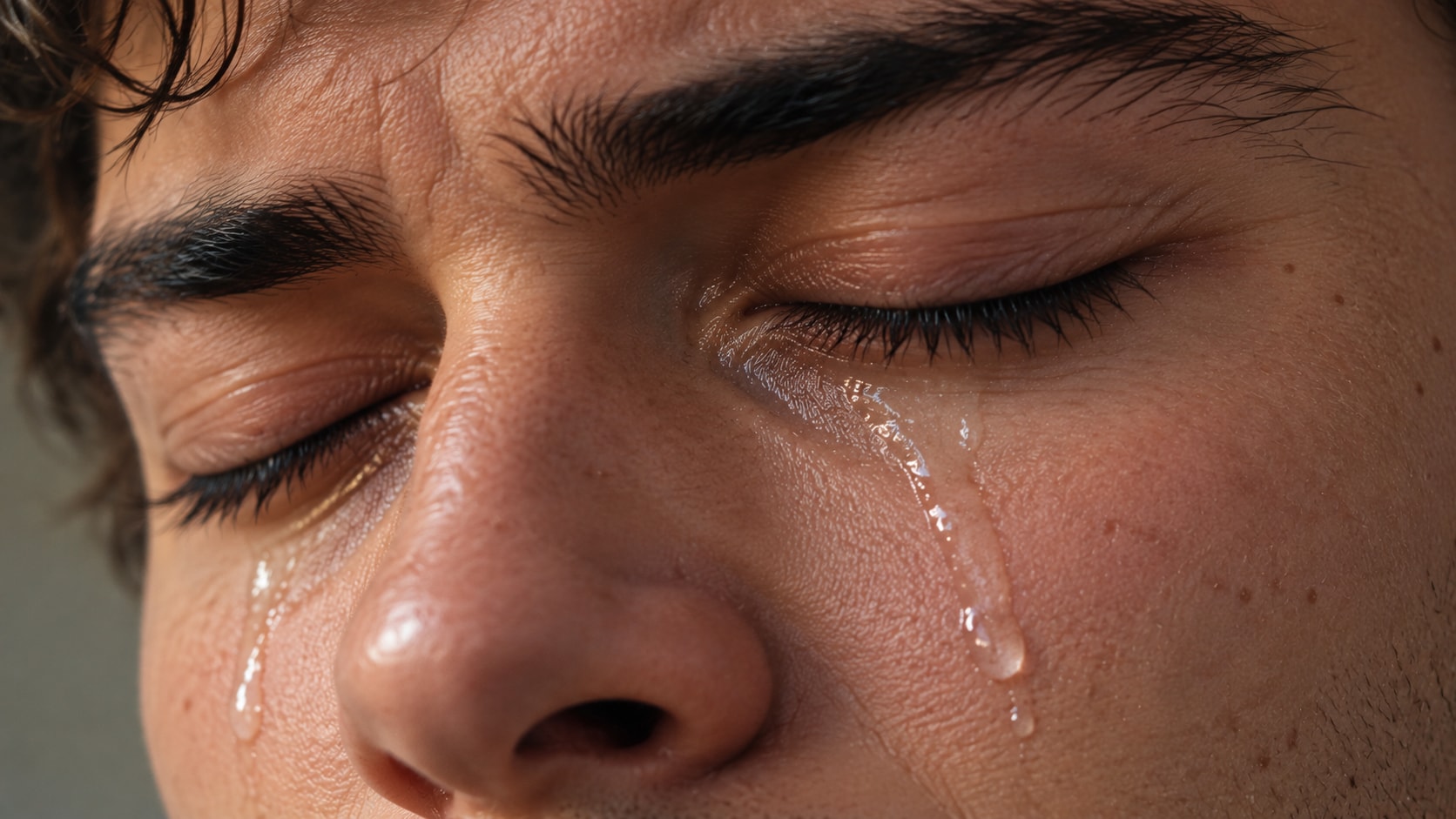
Crying with contact lenses in can feel a little strange. One minute your contacts feel perfectly normal, and the next your eyes are watery, your vision seems slightly blurry, or your lenses feel like they’re moving around more than usual. Whether the tears come from a sad movie, a good laugh, or an emotional moment, you may wonder what all that extra moisture is doing to your contacts.
Tears can temporarily change how contact lenses sit, move, and feel on the surface of your eyes. The effects are usually short-lived, but your contacts may behave differently while you’re actively crying and for a little while afterward. So, what exactly happens to your lenses when the tears start flowing, and is there anything you should do once your eyes dry?
What Happens to Your Contacts When You Cry?
When you cry, your eyes produce far more tears than they do during normal blinking, creating extra fluid around your contact lenses. As those tears move across the surface of the eye and eventually drain or spill over the eyelids, they can temporarily affect how a lens sits and moves. Your contacts may shift slightly, move more with each blink, or feel less stable than usual, which can make your vision briefly blurry or inconsistent. Once you stop crying and the excess tears clear, the lenses will usually settle back into place and your vision should return to normal.
AFTER CRYING
Give Your Eyes a Moment to Settle
Before adjusting or removing your contacts, let the excess tears clear and blink normally for a few moments. If your lenses still feel uncomfortable or your vision remains blurry, remove them with clean, dry hands.
Why Contacts May Feel Different After Crying
You don’t necessarily need to remove your contacts after crying if your vision clears and the lenses still feel comfortable once your eyes settle. However, take them out if you notice persistent redness, pain, burning, unusual sensitivity to light, discharge, or blurry vision that doesn’t improve. You should also remove a lens if it feels displaced, damaged, or irritating rather than continuing to wear it through the discomfort. If symptoms persist or worsen after removing your contacts, contact an eye care professional.
What to Do If Your Contacts Feel Uncomfortable After Crying
A Few Tears Don’t Have to Interrupt Contact Lens Wear
Crying doesn’t automatically mean you need to take your contacts out. Extra tears may temporarily make your lenses shift, feel different, or cause blurry vision, but these changes should improve as your eyes settle. Pay attention to how your eyes feel afterward, though. If redness, pain, light sensitivity, discharge, or blurred vision persists after the tears stop, remove your contacts and avoid wearing them again until your eyes feel normal. Seek care from an eye care professional if symptoms don’t resolve or begin to worsen.
Related Articles
-

How to Choose Colored Contact Lenses that Match Your Skin Tone
-

Splash Safely While Wearing Contacts at the Water Park
-

Eye to Eye: Decoding the Differences Between Toric and Multifocal Lenses
-

The 20-20-20 Rule Explained: Does It Really Help Your Eyes?
-

Holiday 2024 Guide: 10 Eye-Friendly Gifts for Your Loved Ones